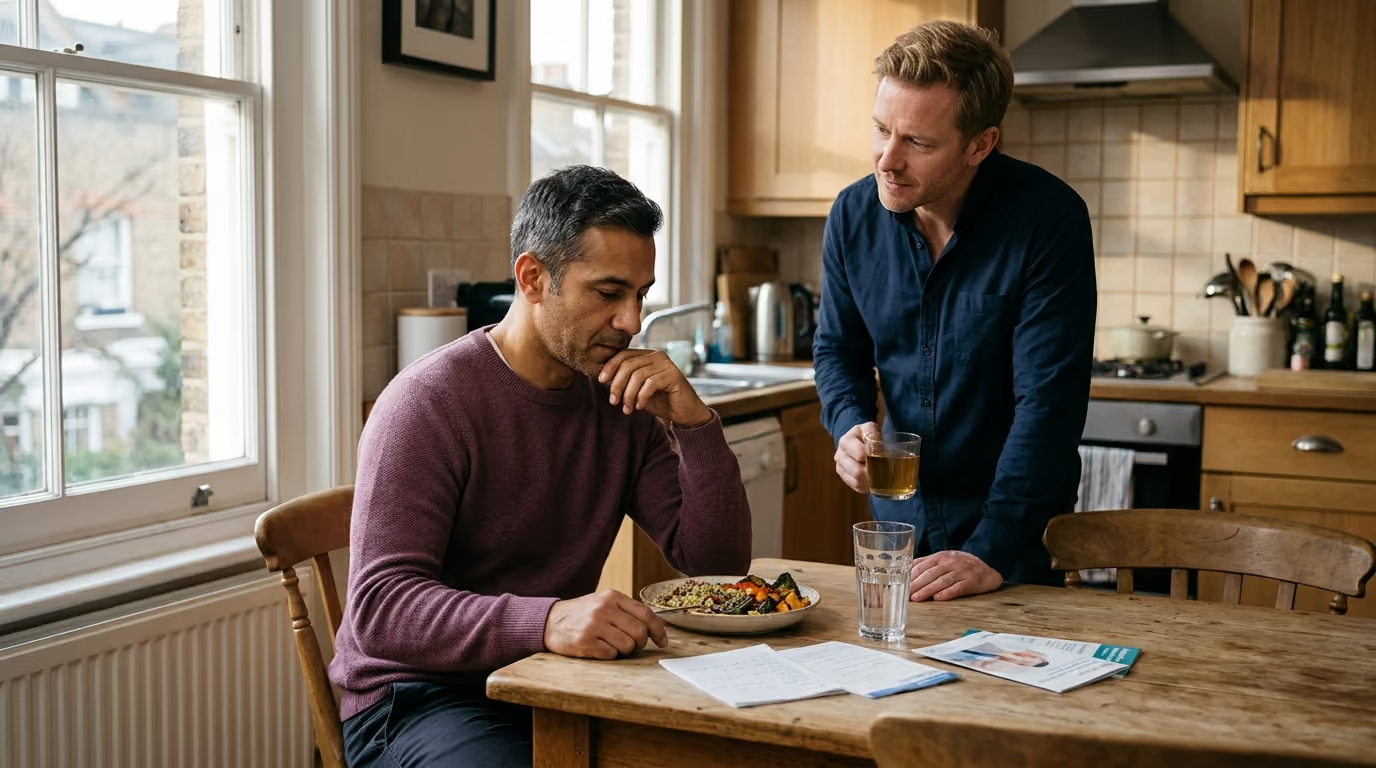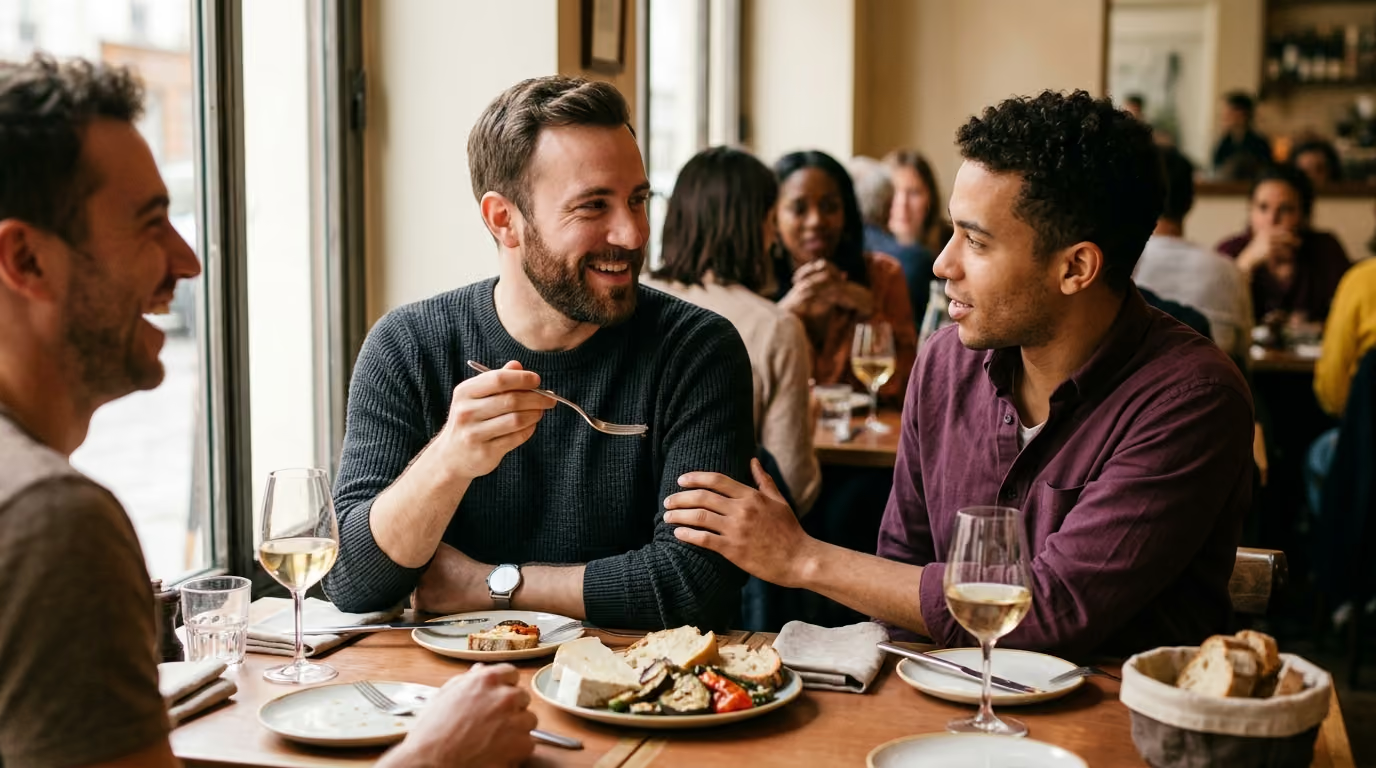

Sustainable nutritional anchors and science-backed dining strategies help you manage social meals, busy travel schedules, and nightlife without sacrificing your physical health.





Most conventional nutrition advice collapses the moment you leave your kitchen. Strict meal plans operate on the assumption that you live in isolation, carrying pre-weighed containers everywhere you go. When real life happens, including client dinners, last-minute travel, first dates, holidays, and late nights, that rigid approach breaks down.
A resilient lifestyle cannot require social withdrawal. Communal eating is central to human connection, cultural expression, and psychological wellbeing. Learning how to eat in social settings without abandoning your health is not a minor lifestyle tip. It is the core skill that makes long-term physical vitality possible.
Dietary success is defined by pattern management rather than single-meal perfection. When you learn how to navigate unpredictable environments, you protect your energy and body composition while enjoying the table in front of you.
Nutrition research consistently shows that we eat differently when we are around other people. A systematic review and meta-analysis of 42 studies confirmed that individuals select and consume significantly more food when eating with friends or family than when dining alone. The researchers identified a standardized mean difference of 0.76, showing a powerful social facilitation effect that is especially pronounced among familiar companions.
This increase in consumption is not a personal failure or a lack of discipline. It is a documented behavioral response driven by specific environmental cues. Shared meals usually last longer than solitary meals, creating extended exposure to appetizers, side dishes, and drinks. Engaging conversation also distracts from internal fullness signals, leading you to finish whatever sits on the table without conscious intention.
Historical observational summaries from the National Academies noted that meals eaten in groups were on average 44 percent larger than those eaten in solitude. While individual responses vary across different dining environments, the underlying mechanism is consistent. Group settings present visual cues that normalize larger portions, faster eating paces, and repeated drink refills.
Major public health authorities address this reality by focusing on broader dietary patterns rather than rigid rules. World Health Organization guidance emphasizes that a healthy diet rests on minimally processed foods, high dietary variety, and adequate plant intake. It does not require a single universal menu.
The Dietary Guidelines for Americans explicitly describe healthy eating as a customizable framework rather than a rigid prescription. This distinction is critical for anyone managing an active social calendar. You do not need absolute control over every ingredient to maintain a balanced dietary pattern across the week.
Understanding the mechanics of social eating allows you to design simple behavioral safeguards. When you know that familiarity, table duration, and shared platters encourage overconsumption, you can modify your environment deliberately. You can enjoy the meal without feeling trapped by automatic eating habits.
Social eating presents distinct challenges as you move past your mid-thirties. Decades of erratic dining, combined with subtle physiological shifts, change how your body processes large, rich restaurant meals. The casual resilience of your twenties begins to give way to measurable metabolic changes.
Resting metabolic rate gradually declines, driven primarily by the subtle loss of skeletal muscle mass if resistance training and protein intake are neglected. Slower gastric emptying and changes in digestive enzyme secretion can make heavy, high-fat restaurant dinners feel uncomfortable late at night. A late dinner that once felt harmless can now produce poor sleep quality, acid reflux, and morning sluggishness.
Hormonal shifts also influence how your body handles alcohol and sodium. Changes in fluid regulation can cause a single high-salt restaurant meal to result in noticeable fluid retention the next morning. If you step on the scale after dining out, that acute weight shift often reflects water balance rather than true body fat accumulation.
Sleep quality becomes significantly more fragile after 35. A comprehensive meta-analysis of 18 studies involving over 600,000 adults found that sleeping fewer than five hours was associated with an obesity odds ratio of 1.55. Experimental data summarized by the CDC shows that sleep restriction directly increases hunger, elevates appetite-stimulating hormones, and heightens the brain's hedonic reward response to energy-dense foods.
When a late social evening cuts into your rest, your biology actively drives you toward refined carbohydrates and calorie-dense snacks the next day. This metabolic reality makes thoughtful preparation essential. Maintaining your vitality requires supporting your physical recovery rather than fighting your physiology.
Managing nutrition and metabolism effectively after 35 means learning how to anticipate these responses. You do not need to avoid restaurants, parties, or late gatherings. You simply need a consistent strategy that accommodates slower digestive pacing, protects sleep, and preserves steady energy.
When your daily schedule is unpredictable, rigid meal plans fail quickly. A more resilient method relies on five nutritional anchors. These anchors act as steady points of reference that keep your overall intake balanced, regardless of where you eat.
Protein provides the strongest satiety signal of any macronutrient and protects lean muscle tissue during demanding routines. The International Society of Sports Nutrition position stand notes that consuming 20 to 40 grams of high-quality protein every three to four hours effectively supports muscle protein synthesis. For active adults, maintaining an overall intake between 1.4 and 2.0 grams per kilogram of body weight supports physical recovery.
When scanning an unfamiliar menu, locate your protein source first. Look for chicken, fish, lean beef, tofu, tempeh, eggs, or legumes. Establishing this anchor stabilizes your blood glucose and prevents rapid hunger spikes later in the evening.
The World Health Organization recommends consuming at least 400 grams, or roughly five servings, of fruits and vegetables every day. In social dining contexts, high-volume produce balances out the dense oils and sauces common in commercial kitchens.
Produce provides essential dietary fiber, potassium, and micronutrients that support digestion and healthy circulation. When ordering, look for roasted vegetable sides, raw salads, tomato-based sauces, or vegetable-rich soups. If the main course is light on vegetables, start the meal with a garden salad or a side of greens.
Carbohydrates supply the primary fuel for cognitive focus and intense physical activity. Eliminating them entirely during busy social periods often leads to intense cravings and late-night binge eating. The goal is matching your carbohydrate intake to your physical output.
Opt for nutrient-dense, slow-digesting carbohydrates such as rice, potatoes, oats, quinoa, or whole-grain flatbreads when preparing for physical activity. If your day involves long sedentary meetings followed by a heavy dinner, moderate your starches earlier in the afternoon. This keeps your energy steady without causing mid-day brain fog.
Hydration directly affects digestive efficiency, cognitive performance, and appetite regulation. In social environments, mild dehydration is frequently misinterpreted as physical hunger. Commercial dining spaces are also packed with hidden sodium that increases your baseline fluid requirement.
Make a habit of drinking a large glass of water before every meal and social gathering. If you choose to drink alcohol, match each alcoholic beverage with an equal glass of still or sparkling water. This simple habit cuts total alcohol intake in half while preventing morning dehydration headaches.
A sustainable nutrition plan must account for pure sensory enjoyment. If you treat every social meal as an exercise in clinical restriction, you will eventually abandon your plan out of frustration. Deliberate pleasure prevents reactive overeating.
Choose one specific item at the table that you genuinely want to enjoy, whether that is a regional pasta, a dessert, or a craft cocktail. Savor that selection without guilt or moral evaluation. By planning for enjoyment, you remove the urge to mindlessly sample every mediocre item on the buffet.
Integrating these five anchors into your daily routine creates a protective foundation for muscle preservation and body composition. You shift your focus from what you must avoid to what your body needs to thrive.
Managing special events successfully requires a systematic three-phase workflow. The Protect, Participate, Recover sequence removes uncertainty and eliminates the common cycle of guilt and extreme restriction.
The most common dining mistake is fasting all day before an evening event. Arriving at a restaurant in a state of extreme hunger impairs executive function and increases your attraction to high-calorie, energy-dense foods. This almost guarantees uncontrolled overconsumption.
Instead, protect your baseline nutrition during the hours leading up to the gathering. Eat regular, balanced meals centered on lean protein and high-fiber produce throughout the day. If dinner is scheduled late, eat a small snack containing 15 to 20 grams of protein and some fiber about ninety minutes before leaving.
A bowl of Greek yogurt with berries, a protein shake, or two hard-boiled eggs with an apple will stabilize your blood sugar. You will arrive at the venue composed, capable of making conscious choices based on preference rather than urgent hunger.
Once you arrive at the event, focus your attention on personal connection and conscious dining. Do not hover around appetizer trays or open snack bowls where mindless grazing occurs automatically.
This structured participation allows you to enjoy the best elements of the event without feeling restricted or overstuffed.
The morning after a large dinner or festive party, you must avoid compensatory behaviors. Do not engage in punishing workouts to burn off calories, and do not embark on commercial juice cleanses. These reactive measures only reinforce an unhealthy psychological loop.
Your liver, kidneys, and digestive tract process nutrients continuously without external detox products. Return directly to your standard baseline routine. Start your morning with a large glass of water, eat a balanced breakfast with adequate protein, and complete your planned physical movement.
By treating the social meal as a normal part of your week, you maintain metabolic consistency and long-term psychological balance.
Gay social life frequently revolves around food, cocktails, travel weekends, and late nightlife. Navigating these spaces comfortably requires personal boundary setting, body confidence, and practical strategies that protect your physical vitality.
Body image pressures in gay culture can complicate social dining. Many men alternate between extreme, unsustainable leanness protocols and uncontrolled weekend bingeing. This cycle damages metabolic flexibility, disrupts hormone balance, and creates chronic social anxiety around meals.
Building real social confidence and dating resilience means rejecting the false choice between physical fitness and an active social life. When dating, suggest activities that do not center entirely on heavy drinking or oversized meals. Coffee walks, art galleries, and casual tapas bars offer great conversation without nutritional stress.
Late nightlife presents unique physiological demands. Long hours of dancing or socializing require sustained physical energy. Using alcohol or sugary energy drinks as your primary fuel source leads to dehydration, rapid intoxication, and severe next-day fatigue.
Eat a solid meal containing complex carbohydrates and lean protein before heading out for the night. Rice with salmon, oatmeal with protein powder, or a chicken wrap provides steady cellular energy that supports physical stamina.
During nightlife events, manage your beverage choices deliberately. A standard drink in the United States contains approximately 14 grams of pure ethanol, supplying roughly 100 calories before accounting for sugary mixers or syrups. Large cocktail pours and sweet mixed drinks rapidly multiply this intake.
Alternate alcoholic drinks with sparkling water and citrus. This protects your hydration, supports liver metabolism, and maintains your social energy without clouding your judgment. Protect your physical safety and never accept unsealed drinks from strangers.
If you find yourself at a late-night diner after the venues close, steer clear of greasy, deep-fried items that trigger severe digestive distress. Opt for scrambled eggs with whole-wheat toast, a grilled chicken sandwich, or a simple bowl of soup. These options deliver necessary nutrients without derailing your sleep.
Preserving your overall vitality and energy depends on treating your body with respect across every social setting. True sophistication lies in enjoying nightlife fully while maintaining the vitality you need for your daytime pursuits.
Business travel, unpredictable work schedules, and back-to-back meetings challenge even the most consistent health habits. Long hours in transit, airport terminals, and catered corporate lunches require a functional, portable nutritional system.
Airports are designed to encourage impulse snacking on hyper-palatable, highly processed foods. Long security lines and flight delays can leave you stranded without access to balanced meals.
Always travel with portable, shelf-stable protein sources in your carry-on bag. High-quality beef or turkey jerky, roasted chickpeas, portioned nuts, and low-sugar protein bars pass easily through security screening.
Carry an empty, reusable water bottle and fill it immediately after passing security. Cabin air is exceptionally dry, accelerating fluid loss during long flights. Maintaining optimal hydration reduces transit fatigue and stabilizes your appetite upon landing.
When traveling internationally, food and water safety must take priority over menu perfection. The CDC Yellow Book advises avoiding tap water and ice made from unverified municipal sources in areas with uncertain sanitation. Drink only commercially bottled water from factory-sealed containers or water that has been thoroughly boiled.
To minimize the risk of travelers' diarrhea, consume hot foods that have been freshly cooked. Avoid raw or undercooked meats, unpasteurized dairy products, and street produce that cannot be peeled.
If gastrointestinal illness strikes, prioritize oral rehydration solutions to replace lost fluids and essential electrolytes. Wash your hands frequently with soap and clean water, and carry alcohol-based hand sanitizer for situations where clean water is unavailable.
Hotel breakfast buffets and corporate catering spreads often feature refined pastries, sweetened yogurts, and high-fat processed meats. Approach these buffets with a structured plan:
When dining with corporate clients, focus on grilled, baked, or steamed preparations. Request sauces and heavy dressings on the side so you control their proportion. You can participate in client dinners fully while maintaining the clarity and physical stamina your work demands.
The holiday season presents an extended period of social eating, office parties, family dinners, and elevated stress. Navigating several weeks of celebration requires managing your overall environment rather than attempting extreme willpower.
A comprehensive review of 23 observational studies examining festive periods found that 70 percent of studies reported statistically significant weight gain. The mean weight increase was approximately 0.7 kilograms across the festive timeframe. While this increase is modest, research indicates that weight gained during holidays is often retained over the following year, contributing to gradual weight creep.
This pattern occurs because holidays are rarely single-day events. They often stretch into a month-long succession of cocktail parties, seasonal treats, reduced gym time, and compromised sleep.
To navigate the holiday season without physical decline:
By approaching the holiday season with structured moderation, you protect your hard-earned physical baseline. You enjoy the cultural and culinary traditions of the season while supporting your long-term healthy aging goals.
While the principles of energy balance and macronutrient distribution are well established, nutritional science contains real boundaries that deserve transparent acknowledgment. Much of the evidence examining social facilitation, holiday weight gain, and restaurant eating relies on observational cohorts and self-reported dietary recalls.
Self-reported dietary data contains inherent limitations, as individuals consistently underestimate their calorie intake and misreport portion sizes. Laboratory feeding studies provide accurate intake measurements, but they cannot fully duplicate the complex social dynamics of a real dinner party or busy restaurant.
Individual biological variability also plays a major role in how we process food. Genetic differences influence alcohol clearance rates, sodium sensitivity, glucose tolerance, and gut microbiome responses. An eating strategy that keeps one person energized might cause digestive discomfort or water retention in another.
Commercial wellness marketing often exploits these evidence gaps by promoting expensive detox kits, fat-burning supplements, and rigid dietary dogmas. There is no credible scientific evidence showing that commercial cleanses accelerate recovery after a large social dinner.
Acknowledge these scientific limits and focus on what the broad evidence supports: a flexible, nutrient-dense dietary pattern customized to your preferences, work demands, and social commitments. Treat your lifestyle as an ongoing practice of mindful refinement rather than a search for rigid perfection.
To maintain physical vitality, sharp mental focus, and social confidence across every dining environment, anchor your habits to these core principles:
You do not need to choose between physical health and a rich social life. When you master the skill of flexible eating, you can sit at any table with confidence, fully nourished and completely engaged.
Stay connected for research-led guidance on fitness, body composition, skin, grooming, vitality, sexual wellbeing, relationships and healthy aging. Clear ideas for gay men 35+ who want to look good, feel strong and age with confidence.


Build habits and systems that support clear thinking, steady energy and long term capacity throughout a demanding career.
explore the Blog