
Men experiencing changes in erection rigidity or ejaculatory control can restore sexual function through targeted pelvic floor assessment and structured rehabilitation exercises.





Squeezing your pelvic floor muscles as hard as possible is often the worst thing you can do for your erection quality, ejaculatory control, and pelvic comfort. Men are frequently told that pelvic floor health begins and ends with high-volume Kegel exercises. That advice is incomplete, and for many men, it is completely wrong.
The male pelvic floor is a complex, responsive muscular structure that requires a balance of strength, rapid coordination, endurance, and deep physical relaxation. When men treat these muscles like a biceps muscle that simply needs endless repetitions, they often end up causing urinary urgency, pelvic pain, or worsening sexual performance. Understanding how this anatomical muscular sling works is necessary for every man who wants to maintain strong erections, reliable urinary control, and rich sexual satisfaction as he ages.
In this clinical guide, we examine the scientific evidence surrounding male pelvic floor function. We outline how these muscles influence sexual performance, what actually changes in your body after age 35, and how gay men can navigate pelvic health for both insertive and receptive sex. We also provide a structured, evidence-led training framework that prioritises muscular control over brute strength.
The male pelvic floor forms a muscular and connective tissue hammock that stretches from the pubic bone at the front of your pelvis back to the tailbone. This deep muscular structure supports the bladder, bowel, and internal pelvic organs. It works closely with the autonomic nervous system to manage urinary continence, bowel control, and sexual activity.
To understand how the pelvic floor influences sexual function, you must separate the deeper pelvic support muscles from the superficial perineal muscles. The levator ani muscle group forms the deeper muscular floor that supports your internal organs and manages intra-abdominal pressure. Surrounding the base of the penis are two critical superficial muscles: the ischiocavernosus and the bulbospongiosus.
The ischiocavernosus muscles attach around the roots, or crura, of the penis. When these muscles contract, they compress the erectile tissue structures inside the pelvic cavity. This compression increases intracavernous pressure, which helps trap blood within the shaft of the penis during arousal. Research confirms that strong, well-coordinated ischiocavernosus contractions help maintain rigidity during sexual activity.
The bulbospongiosus muscle wraps directly around the bulb of the penis and the urethral canal. During the final stages of sexual arousal, rhythmic, involuntary contractions of the bulbospongiosus propel semen through the urethra during ejaculation. This same muscle helps clear the urethra after urination.
Both of these superficial perineal muscles receive neural signals through the pudendal nerve. If these muscles are weak, fatigue quickly, or remain chronically tense, sexual performance and physical comfort will drop.
Rigid erections do not start with the pelvic floor alone. Penile erection relies primarily on vascular healthy arterial inflow, smooth muscle relaxation within the corpora cavernosa, balanced hormone levels, and low baseline stress. The pelvic floor acts as a physical retention mechanism that helps sustain what healthy blood vessels create.
Understanding this distinction prevents men from relying solely on muscular squeezes to fix broader vascular issues. If arterial blood flow is limited by poor cardiovascular health, strong pelvic muscles cannot completely fix erectile difficulties. However, when combined with strong circulatory health, a trained, responsive pelvic floor provides stability, control, and sexual confidence.
Ageing brings structural, hormonal, and lifestyle shifts that directly alter how your pelvic floor functions. After age 35, men naturally begin to lose skeletal muscle mass at a rate of roughly 3 to 8 percent per decade if they do not perform resistance training. The pelvic floor is composed of skeletal muscle fibers, meaning it experiences this same age-related decline in muscle volume and tone.
Connective tissue changes also play a major role in pelvic function over time. Collagen fibers within the pelvic fascia lose elasticity, making the supportive tissues less resilient under pressure. When combined with natural changes in prostate volume, these collagen shifts alter how the bladder neck and urethral sphincter handle pressure during daily movement.
Changes in physical activity and working environments further complicate pelvic floor behavior as men age. Spending eight to ten hours a day sitting at a desk shortens the hip flexors, tightens the piriformis, and compresses the pudendal nerve. This constant sitting disrupts the natural resting length of the pelvic floor muscles, leaving them either chronically lengthened and weak or chronically contracted and tight.
Hormonal shifts, particularly a gradual decline in free testosterone, can also impact muscle protein synthesis and tissue maintenance in the lower pelvis. Lower testosterone levels can subtly decrease the speed and force of muscle contraction. Men may notice a slower response when trying to delay ejaculation or a mild reduction in ejaculatory expulsion power.
Prostate changes represent another common physiological shift after 35. Benign prostatic hyperplasia, or non-cancerous prostate enlargement, places pressure on the prostatic urethra. This forces the bladder and surrounding pelvic floor muscles to work harder to empty urine, which can lead to muscular fatigue, post-urination dribbling, or pelvic discomfort.
These physical changes do not mean your body is failing. They simply mean that your pelvic floor requires deliberate attention and proper movement strategies just like your legs, chest, or core. Men who maintain good physical fitness, manage their body composition, and practice proper lower-body mobility usually maintain strong pelvic function well into their older years. Exploring structured healthy aging strategies for men can help protect both your cardiovascular health and your pelvic neuromuscular function.
Clinical research shows that pelvic floor problems are not one-size-fits-all. A framework used by physical therapists divides pelvic floor issues into four main categories. Identifying which category fits your symptoms is necessary before starting any exercise routine.
Weakness occurs when the pelvic floor muscles lack the physical strength or stamina to contract effectively when needed. Men experiencing pelvic floor weakness often report post-urination dribbling, mild stress incontinence when coughing or lifting heavy weights, or a feeling that erections lose firmness quickly when standing up. The muscles are simply under-conditioned and require targeted strength and endurance training.
Hypertonicity is the exact opposite of weakness. It occurs when the pelvic floor muscles remain in a constant state of elevated muscular tension and fail to relax completely. Men with hypertonic pelvic floors often complain of deep pelvic aching, pain in the tip of the penis or testicles, discomfort after ejaculation, or difficulty starting urine flow.
When a hypertonic pelvic floor is forced to perform repetitive Kegel exercises, symptoms usually get worse. An overactive muscle is a tired, irritable muscle that needs down-training, manual release, and deep breathing rather than aggressive strengthening exercises.
Some men have strong pelvic floor muscles, but those muscles fire at the wrong time or fail to work smoothly with surrounding muscle groups. During sexual activity, these men might unconsciously clench their pelvic floor and hold their breath as arousal builds. This sudden rise in muscle tension can trigger premature ejaculation or cause penile fatigue. The primary issue here is motor control, awareness, and breathing regulation rather than pure muscle weakness.
Neurological dysfunction happens when the nerves supplying the pelvic floor, such as the pudendal nerve or sacral nerve roots, become compressed, irritated, or damaged. This can occur from chronic nerve entrapment, spinal disc issues, systemic conditions like multiple sclerosis, or trauma from pelvic surgery.
Mixed dysfunction combines elements of overactivity, guarding, weakness, and altered nerve sensation. These complex cases require careful clinical evaluation by a specialized pelvic health physiotherapist or urologist rather than self-guided online exercise plans.
The clinical evidence supporting pelvic floor training for male sexual function is encouraging, but it must be viewed with a clear, realistic perspective. Clinical studies demonstrate that targeted muscle training can improve sexual parameters in many men, but it is not a guaranteed cure for every sexual issue.
In a landmark randomized trial investigating men with long-standing erectile dysfunction, researchers assigned participants to either structured pelvic floor muscle exercises or lifestyle modification over six months. The trial revealed that 40 percent of the men in the exercise group completely regained normal erectile function. An additional 35.5 percent showed substantial improvements in penile firmness, while 24.5 percent experienced no clinical change.
These results demonstrate that muscle training can produce real clinical changes. However, researchers noted that men with severe vascular disease or unmanaged diabetes showed lower response rates. This highlights why pelvic floor exercises should be viewed as one component of a broader health strategy rather than a isolated fix. Maintaining overall health through balanced nutrition and metabolic health management remains crucial for supporting optimal blood vessel function.
When examining ejaculatory performance, clinical studies show similar positive outcomes for men struggling with control. A randomized controlled study evaluated men diagnosed with lifelong premature ejaculation who had an average intravaginal latency time of under 60 seconds. Following a structured pelvic floor rehabilitation programme focused on muscle control and awareness, 57 percent of the men developed the ability to manage their ejaculatory reflex. Their average latency time increased to over 126 seconds by the end of the treatment period.
Recent systematic reviews suggest that isolated pelvic floor exercises might not be the most effective strategy when used completely on their own. Combining pelvic muscle training with diaphragmatic breathing exercises, arousal awareness, and behavioral modifications consistently outperforms isolated pelvic squeezing.
The evidence shows that squeezing your pelvic floor as hard as you can during high arousal usually accelerates ejaculation rather than delaying it. Ejaculatory control relies heavily on your ability to release pelvic tension and maintain steady diaphragmatic breathing as arousal rises.
Gay men navigate specific physical and cultural factors that shape pelvic floor health, sexual function, and physical comfort. Receptive anal sex, or bottoming, requires an exceptional degree of voluntary pelvic floor relaxation and sphincter control.
During receptive intimacy, both the internal and external anal sphincters must yield smoothly to accommodate penetration without pain or tissue trauma. If a man has an unrecognized hypertonic pelvic floor, his muscles remain involuntarily contracted. Attempting receptive sex with elevated pelvic floor tension often leads to sharp pain, rectal tears, anal fissures, or persistent pelvic guarding.
Many gay men wrongly assume that anal pain during receptive sex means they simply need to relax mentally or use more lubricant. While lubrication is critical, persistent pain often points to an overactive pelvic floor that does not know how to drop and lengthen. For these men, performing repetitive Kegels before sex is counterproductive. They need dedicated down-training, deep hip opening, and diaphragmatic breathing exercises to train the pelvic floor to release.
Hygiene and prep routines can also impact pelvic floor comfort over time. Frequent, high-volume rectal douching using high pressure or cold water can irritate the sensitive rectal mucosa. This irritation can trigger involuntary muscular spasms across the pelvic floor, leading to cramping or urgent bowel sensations during intimate moments. Using warm water, gentle pressure, and reasonable volumes helps protect tissue integrity and keeps the pelvic floor calm.
Prostate stimulation represents another unique consideration within gay sexual health. Direct prostate play can produce intense sexual pleasure, but if the surrounding pelvic floor muscles are hypertonic or inflamed, direct pressure can cause deep pelvic aching instead.
Insertive partners, or tops, also rely heavily on pelvic floor health. Sustaining a firm erection while standing, kneeling, or moving dynamically requires good cardiovascular health and strong ischiocavernosus muscle endurance. Navigating sexual dynamics and maintaining body confidence after 35 becomes much easier when you understand these physical mechanics. You can explore more insight on navigating mature relationships and personal confidence within our gay men's relationships and confidence articles.
If a professional assessment confirms that pelvic floor strengthening and coordination training are appropriate for you, follow a progressive, controlled approach. Do not jump straight into high-repetition daily squeezing. Use this evidence-based, four-phase training model to build awareness, strength, endurance, and functional control.
Before trying to build strength, you must learn how to feel and isolate the pelvic floor muscles without tense abdominal, gluteal, or inner thigh muscles compensating for them.
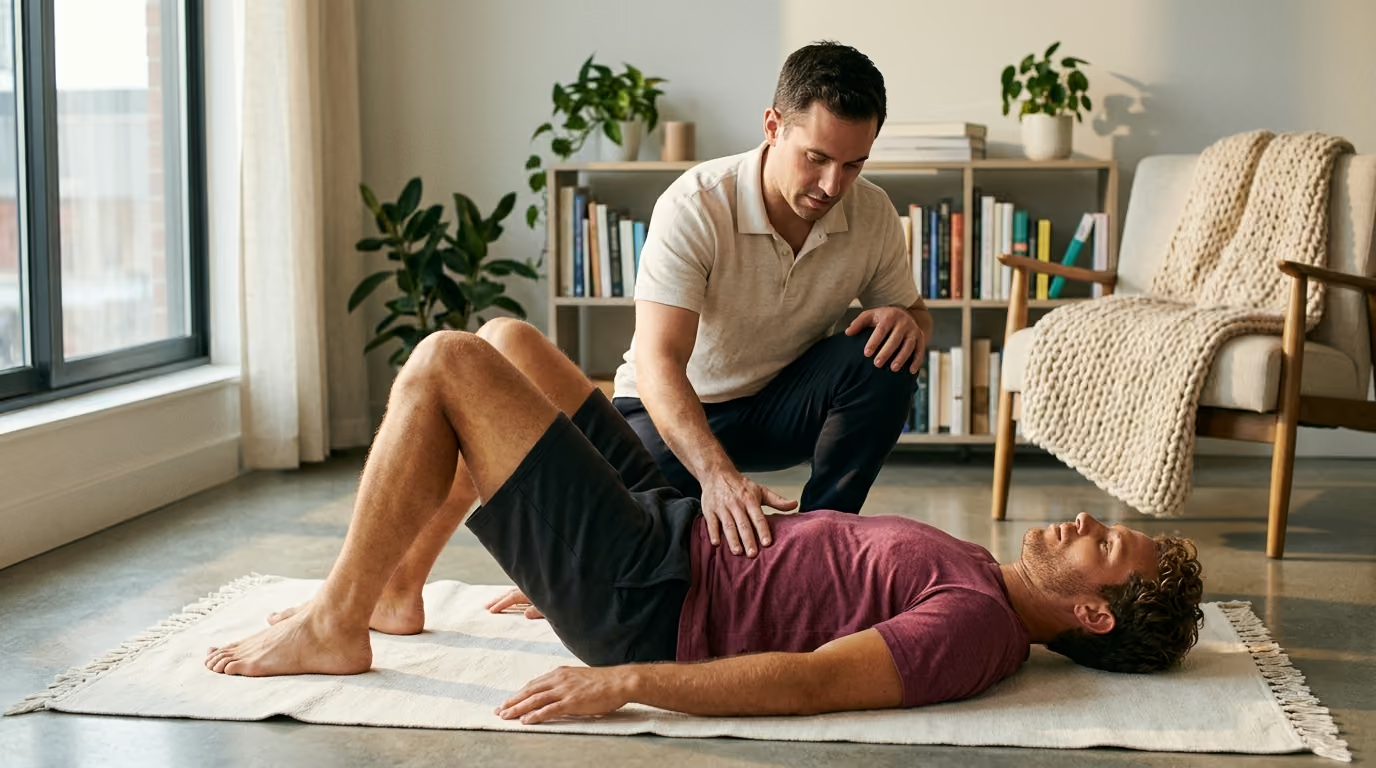
Sit comfortably on a flat surface or lay on your back with knees bent and feet flat on the floor. Take a deep, slow breath into your lower abdomen, allowing your belly and sides to expand. As you inhale, feel your pelvic floor gently drop and widen.
As you exhale, gently pull the base of your penis inward and lift the area around your anus up toward your heart, as if quietly stopping urine flow and holding in gas. Hold this gentle lift for two seconds, then release it completely. Repeat this three to five times, confirming that your buttocks, thighs, and abdominal muscles stay relaxed.
Once you can isolate the contraction without bracing other body parts, begin developing targeted muscular strength and complete relaxation.
Perform five slow contractions, lifting the pelvic floor with moderate effort and holding for three to five seconds. After every single contraction, relax the muscles completely for at least five seconds. Do not rush this relaxation phase. The release is just as important as the squeeze.
Next, perform five quick, snappy contractions, lifting for one second and immediately letting go for one second. These rapid flicks train the fast-twitch muscle fibers that handle sudden changes in intra-abdominal pressure.
As your motor control improves over several weeks, gradually increase your holding times and movement variety.
Work up to holding each slow contraction for eight to ten seconds, breathing smoothly throughout the hold. Never hold your breath while squeezing your pelvic floor, as breath-holding spikes internal abdominal pressure and strains the tissue sling.
Progress to completing ten slow holds and ten rapid flicks. Perform this routine once or twice daily, practicing across different postures including lying down, sitting upright at your desk, and standing up. Aim for consistent quality over raw effort.
The final stage applies these muscle skills directly to physical activities, workout routines, and intimate moments.
During weightlifting or heavy carrying, practice briefly bracing the pelvic floor right before initiating a lift, exhaling on the effort to protect the pelvic organs. You can discover complementary movement strategies inside our guide to strength and body composition training.
During intimacy, use this neuromuscular control dynamically. If you feel your erection softening, apply a gentle two-second lift of the ischiocavernosus muscle to help hold blood in the shaft. Conversely, if you feel arousal rising too quickly toward ejaculation, consciously lower your pelvic floor, broaden your belly, and let go of all pelvic tension to reset your excitement level.
When men decide to work on pelvic health, poor advice can easily lead to frustration or pain. Recognizing these common mistakes will save you time and protect your lower pelvic function.
A frequent piece of outdated advice tells men to practice pelvic exercises by repeatedly stopping their urine flow on the toilet. While doing this once or twice can help you identify the right muscles, using it as a regular workout routine is unsafe. Interrupting urination disrupts the normal nervous system reflexes that empty your bladder, which can lead to incomplete bladder emptying, urinary hesitancy, or bladder infections.
Doing hundreds of rapid pelvic contractions throughout the day rarely builds useful function. Muscles require rest and recovery to adapt to exercise, just like your chest or legs. Overworking the pelvic floor without proper rest leads to chronic hypertonicity, deep muscle fatigue, pelvic pain, and reduced sexual sensation.
Holding your breath during pelvic contractions creates high pressure within your abdomen that pushes down on the pelvic floor. This counteracts the upward lift you are trying to train and stresses the supportive fascial tissues. Always coordinate pelvic contractions with a clean, steady exhale.
Pain is an unambiguous warning sign from your nervous system. Squeezing through pelvic discomfort, testicles aching, or post-ejaculatory pain will only make your symptoms worse. If an exercise causes pain, stop immediately and seek guidance from a qualified pelvic health clinician.
Pelvic floor rehabilitation plays a critical role in recovering continence and sexual function following prostate cancer treatment or during the management of neurological conditions.
Prostate surgery, such as a radical prostatectomy, removes the prostate gland along with the internal urethral sphincter. Following surgery, continence relies almost entirely on the external urethral sphincter and the surrounding pelvic floor muscles. Clinical studies show that structured pelvic floor muscle training started after surgery accelerates urinary continence recovery.
A meta-analysis of randomized controlled trials confirmed that men who completed structured pelvic floor rehabilitation after prostate surgery achieved significantly higher rates of urinary continence at three months compared to those receiving standard care. However, research into preoperative pelvic floor training shows mixed long-term results. While learning exercises before surgery helps men master proper technique early on, differences in continence rates between trained and untrained men narrow by 12 months post-surgery.
Recovering erectile function after prostatectomy presents a more complex challenge. Surgical trauma can stretch or injure the delicate cavernous nerves that travel alongside the prostate capsule. While pelvic floor exercises help support blood retention in erectile tissues once neural healing begins, muscle training alone cannot repair damaged nerve pathways. Pelvic floor rehabilitation should be combined with your urologist's overall penile recovery plan, which may include daily prescription medications or vacuum therapy devices.
For men living with neurological conditions like multiple sclerosis, spinal cord injuries, or stroke, pelvic floor training offers meaningful benefits if voluntary motor control remains intact. Specialized clinical guidelines emphasize that pelvic floor rehabilitation improves urinary urgency and stress incontinence in neurological patients, provided the sacral nerve pathways retain function. When voluntary control is significantly impaired, biofeedback and specialized medical evaluation become essential tools for designing a safe, personalized care plan.
While clinical interest in male pelvic health has grown, clear gaps remain in the scientific literature. Recognizing where current evidence is limited helps protect men from unproven claims and commercial marketing.
First, there is no single universally accepted training protocol for treating erectile dysfunction or premature ejaculation. Clinical studies vary widely in exercise intensity, hold durations, sets, and overall treatment length. What works well in a monitored clinic may need adjustments when applied to your own daily routine.
Second, much of the evidence supporting pelvic floor training for erectile function comes from relatively small study groups. While these trials show clear clinical promise, larger high-quality trials are still needed to clarify which groups of men will benefit most. Men with severe arterial disease or significant nerve injury from radical surgery should expect more modest improvements compared to men with isolated muscular weakness.
Third, commercial claims surrounding pelvic biofeedback gadgets, electrical stimulation units, and automated training apps often outpace clinical evidence. While pelvic biofeedback can help men learn to recruit muscles correctly under expert supervision, current systematic reviews show that electrical stimulation provides inconsistent extra benefit compared to simple, unassisted muscle exercises.
Finally, self-guided pelvic floor training should never replace a thorough medical checkup for persistent sexual or urinary issues. Erectile dysfunction can serve as an early warning sign for underlying cardiovascular disease, diabetes, or hormonal imbalances. Always consult a qualified medical professional to assess your broader health before relying on exercise interventions alone.
Effective pelvic floor rehabilitation is built on adaptability, control, and physical awareness rather than maximum force. When you train these muscles to contract on demand and release tension completely when at rest, you create a solid foundation for lifelong urinary control, pelvic comfort, and sexual confidence.
Stay connected for research-led guidance on fitness, body composition, skin, grooming, vitality, sexual wellbeing, relationships and healthy aging. Clear ideas for gay men 35+ who want to look good, feel strong and age with confidence.


Build habits and systems that support clear thinking, steady energy and long term capacity throughout a demanding career.
explore the Blog