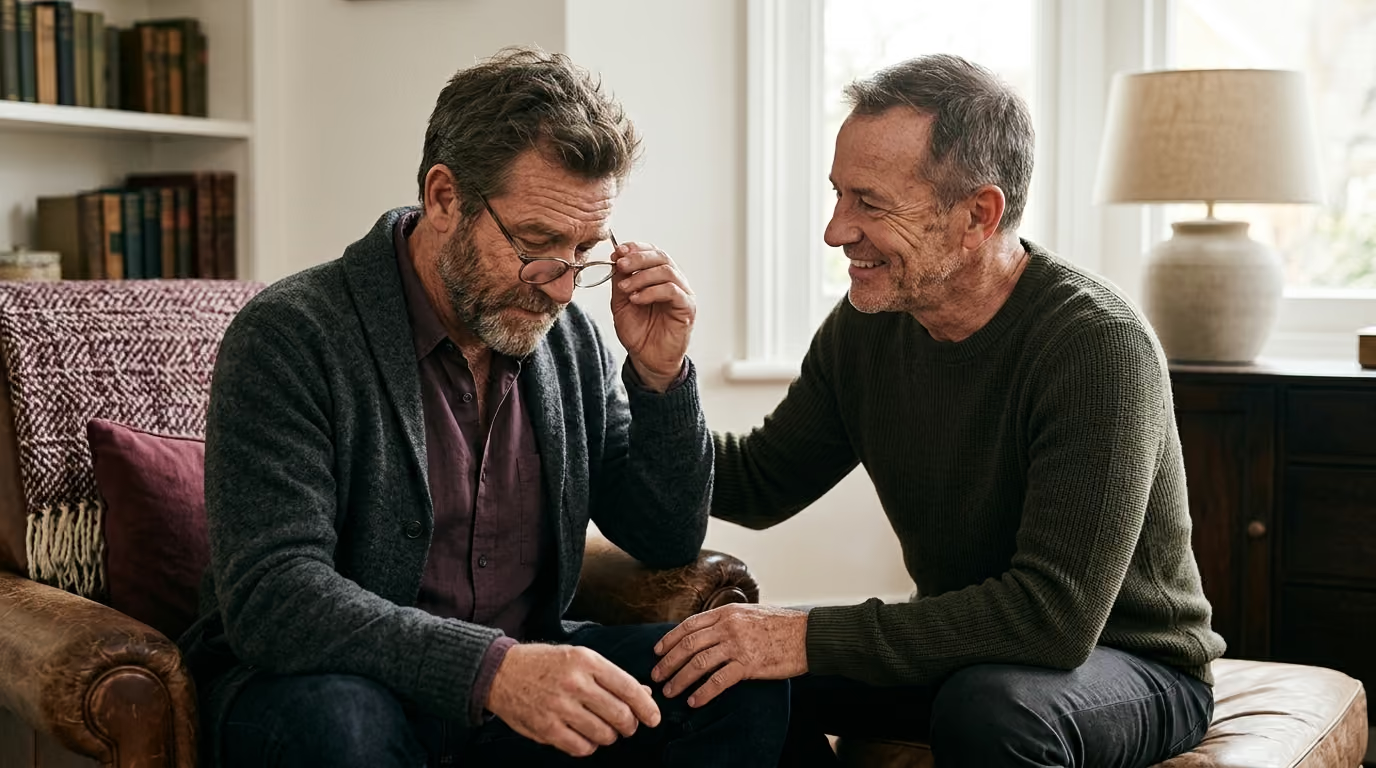

Men noticing a gradual decline in sexual desire past age 35 can evaluate biological, psychological, and lifestyle factors to rebuild vitality with evidence-based strategies.





A sudden or gradual drop in sex drive is one of the most common private searches among men in their late thirties and beyond. You might find yourself wondering why your spontaneous interest in sex feels muted, why you feel disconnected from physical intimacy, or whether your testosterone is crashing. This comprehensive resource breaks down the biological, psychological, and relational realities of male sexual desire after 35, giving you clear, research-supported answers without alarmism or marketing hype.
Male sexual vitality is frequently reduced to a single biological metric or physical outcome. In medical science, libido is distinct from physical mechanics. Desire represents the psychological interest in, motivation toward, and subjective appetite for sexual activity. Erectile capacity, arousal, ejaculation, and orgasm are separate physiological processes that operate through related neurological and vascular pathways.
A man can experience high sexual desire while struggling with physical erectile performance. Another man might maintain reliable erections during sleep or masturbation while feeling minimal interest in initiating sex with a partner. Recognizing the boundaries between these domains prevents misdiagnosis and directs attention toward the true root of any sexual change.
Scientific literature divides sexual motivation into two distinct models. Spontaneous desire emerges independently of external stimulation, presenting as random sexual thoughts or unprompted physical yearning. Responsive desire emerges in reaction to erotic context, physical touch, intimacy, or romantic connection.
Many men notice that spontaneous desire becomes less frequent as they move past their twenties. This shift does not indicate a medical disorder if desire readily surfaces once physical contact begins. Treating responsive desire as a failure of vitality creates unnecessary panic and ignores the natural variation of adult sexual psychology.
Serum testosterone concentrations decline gradually in men at an estimated rate of approximately one percent per year after age 30. This statistical average does not mean that every individual experiences clinically low androgen levels. Many men maintain robust circulating hormone levels well into their sixties and seventies without developing hypogonadism.
Clinical hypogonadism requires both consistent physical symptoms and repeatedly documented low morning blood testosterone levels. Guidelines from the Endocrine Society emphasize that broad symptoms like fatigue, low mood, or reduced desire alone do not justify a medical diagnosis. A complete diagnostic evaluation requires at least two separate fasting morning blood tests to establish an accurate baseline.
Testosterone levels follow a circadian rhythm, peaking in the early morning and dropping significantly by late afternoon. A single blood draw taken late in the day often produces an artificially low reading. Acute illness, poor sleep during the preceding night, significant calorie restriction, or severe psychological stress can temporarily suppress testosterone production.
Age-related hormonal changes must be interpreted within a broader physiological context. Total testosterone, free testosterone, sex hormone binding globulin, and luteinizing hormone each provide distinct information about endocrine function. True clinical deficiency warrants careful medical attention, but minor statistical declines within the standard reference range rarely explain an isolated loss of sexual desire.
Endothelial health and cardiovascular conditioning directly influence physical arousal and sexual stamina. When vascular flow is compromised through arterial stiffness or chronic hypertension, peripheral blood supply suffers. While vascular impairment primarily manifests as erectile difficulty, the resulting frustration and anxiety can suppress mental sexual motivation over time.
Metabolic health plays a substantial role in systemic hormone regulation and energy balance. Obesity, elevated visceral adiposity, insulin resistance, and metabolic syndrome promote chronic low-grade inflammation. Excess adipose tissue converts circulating androgens into estrogens through the aromatase enzyme, altering the endocrine profile.
Lifestyle interventions targeting body composition support general health and vitality. Research published in international urological journals shows that structured aerobic exercise, resistance training, and nutritional changes improve overall sexual function in men with metabolic risk factors. A dedicated focus on strength and body composition training helps preserve lean mass and metabolic efficiency as the body matures.
Sustained weight loss can elevate circulating testosterone in obese men, but biological changes do not always translate immediately into subjective desire. A clinical trial evaluating middle-aged men with severe obesity demonstrated that significant weight reduction successfully improved metabolic markers and increased testosterone levels, yet sexual function questionnaire scores did not change immediately. Approaching metabolic health as a holistic foundation rather than an instant cure for low desire sets realistic expectations.
Sleep quality serves as an essential regulator of endocrine stability and nervous system recovery. The majority of daily testosterone synthesis occurs during deep, restorative rapid eye movement sleep. Chronic sleep debt, irregular shift work, and untreated sleep apnea severely disrupt these regenerative nocturnal cycles.
Men experiencing persistent daytime exhaustion often confuse systemic physical fatigue with low libido. When cognitive resources and physical energy are depleted by poor sleep, the central nervous system prioritizes basic recovery over reproduction. Evaluating airway health, nighttime oxygenation, and consistent sleep hygiene provides a foundational starting point for rebuilding vitality.
Depressive disorders exert a profound suppressing effect on sexual appetite, emotional connection, and physiological responsiveness. Clinical depression alters neurotransmitter signaling, blunts the brain's reward processing centers, and diminishes the capacity to experience pleasure. When an individual struggles with pervasive sadness or apathy, sexual desire is frequently the first non-essential biological drive to decline.
Depression and endocrine disruption frequently share overlapping clinical symptoms, complicating accurate diagnosis. A thorough psychiatric and medical evaluation must assess mood stability, interest in daily hobbies, appetite changes, and emotional outlook alongside standard blood panels. Addressing mood disorders directly remains essential for restoring full vitality and relational intimacy.
Performance anxiety creates a cyclical pattern of sexual avoidance that mimics low libido. An isolated episode of erectile difficulty can trigger anticipatory dread during future intimate encounters. The mind shifts from absorbing erotic pleasure to hyper-vigilant self-monitoring, creating an adrenaline surge that physically counteracts sexual arousal.
This anxiety-driven cycle often leads men to withdraw from intimacy entirely to avoid potential embarrassment. Over time, deliberate avoidance feels indistinguishable from a true absence of sexual interest. Identifying whether desire remains intact during solo masturbation helps distinguish performance-related anxiety from systemic biological decline.
Daily cognitive load, professional demands, financial pressures, and chronic stress directly suppress sexual motivation. When the sympathetic nervous system remains locked in a chronic stress response, circulating cortisol elevates and reproductive signaling downregulates. Sexual bandwidth requires mental safety, emotional space, and sufficient leisure time to flourish.
Aging also brings subtle psychological adjustments regarding physical self-image and changing aesthetic expectations. Men over 35 frequently encounter changes in hair density, skin elasticity, and muscle distribution that challenge self-confidence. Exploring evidence-based skin and grooming routines can restore personal confidence, counteracting the internalized age anxiety that often undermines sexual motivation.
Pharmaceutical side effects represent one of the most common yet overlooked causes of sudden desire loss. Selective serotonin reuptake inhibitors and serotonin-norepinephrine reuptake inhibitors commonly blunt sexual desire, delay ejaculation, or impair physiological arousal. These medications alter central serotonin pathways that regulate emotional processing and sexual response.
Discontinuing prescribed antidepressants abruptly without medical supervision presents serious psychological and physical risks. A collaborating physician can evaluate alternative medications, adjust dosing schedules, or incorporate adjunctive psychotherapeutic support. Managing mental health while minimizing sexual side effects requires nuanced clinical guidance.
Several other commonly prescribed drug classes can alter male sexual function and endocrine balance:
Recreational substance use and regular alcohol consumption also disrupt central nervous system signaling. While moderate alcohol intake might temporarily reduce social inhibitions, chronic or heavy consumption impairs testosterone synthesis, disrupts sleep architecture, and blunts genital sensation. Sustained recovery of physical vitality requires an honest assessment of weekly chemical intake.
Sexual desire rarely operates in a biological vacuum; it reflects the relational and emotional environment. In long-term partnerships, the intense novelty and spontaneous desire characteristic of early dating naturally transition into comfortable familiarity. This predictable shift in relationship chemistry is normal and does not signal personal incompatibility or physical decay.
Unresolved emotional conflict, passive resentment, domestic stress, and communication breakdowns reliably extinguish sexual motivation. When emotional intimacy erodes, physical desire often follows. Distinguishing between a generalized loss of desire and a situational loss limited to a specific partnership provides vital diagnostic clarity.
Desire discrepancy occurs whenever two partners possess different natural baselines for sexual frequency or intensity. The partner with lower desire is often unfairly pathologized as medically broken, while the partner with higher desire feels rejected. Approaching desire discrepancy as a common interpersonal dynamic rather than an individual physical failure allows couples to negotiate intimacy constructively.
Constructive communication requires non-defensive dialogue that focuses on emotional connection rather than obligation. Men benefit from replacing performance pressure with open conversations about stress, touch preferences, and relational boundaries. Exploring shared resources in confidence and relationship building provides valuable scaffolding for these adult conversations.
Gay men over 35 navigate distinct cultural environments that influence sexual self-perception and relational health. Urban gay subcultures frequently emphasize youth, hyper-muscular aesthetics, and high sexual frequency, which can generate unique forms of performance pressure. Navigating open relationships, multi-partner dynamics, or app-based dating environments requires deliberate boundary setting to protect mental bandwidth.
Sexual scripts within gay relationships can also become rigid over time, leading to boredom or unexpressed preferences. Navigating sexual identity across the lifespan involves adapting to physical changes without measuring personal worth against unrealistic community ideals. Gay men thrive sexually when they detach their self-esteem from commercialized beauty standards and cultivate genuine physical and emotional connection.
Evaluating low sexual desire requires an organized, multi-dimensional clinical approach. Relying solely on a rapid hormone test misses the psychological, systemic, and relational drivers of sexual wellbeing. A comprehensive evaluation utilizes five foundational assessment domains to map out the underlying causes accurately.
Specific clinical indicators demand prompt, thorough medical evaluation rather than watchful waiting. Men should consult a qualified physician when low desire is accompanied by unexpected testicular atrophy, spontaneous galactorrhea, severe headaches with visual changes, or profound depressive symptoms. These red flags can indicate underlying pituitary lesions, systemic endocrine disorders, or major depressive episodes requiring specialized care.
A comprehensive laboratory workup for persistent, distressing low libido generally includes:
Interpreting these laboratory markers requires clinical sophistication. A borderline testosterone number in a man with excellent energy, robust morning erections, and high life satisfaction rarely requires pharmaceutical intervention. Laboratory values must always be interpreted alongside clinical symptoms and personal goals.
Effective management of low libido focuses on treating root causes rather than searching for generic aphrodisiacs. When sexual desire drops due to professional burnout, chronic insomnia, or relational conflict, hormonal manipulation will not solve the underlying issue. Interventions must align with the primary biological, psychological, or interpersonal drivers identified during assessment.
Foundational lifestyle adjustments yield reliable improvements across physical stamina and sexual confidence. Prioritizing structured physical activity that blends heavy compound resistance training with zone-two cardiovascular conditioning optimizes metabolic health. Supporting these physical demands with balanced, micronutrient-dense meals directly bolsters long-term vitality, as outlined in our nutrition and metabolism resources.
Testosterone replacement therapy represents a legitimate medical intervention exclusively for men diagnosed with unequivocal hypogonadism. Clinical trials show that restoring physiological testosterone levels in hypogonadal men reliably improves sexual thoughts, desire, and overall satisfaction. For men with normal baseline androgens, adding exogenous testosterone provides negligible libido benefits while introducing unnecessary health risks.
Exogenous testosterone therapy carries important physiological trade-offs that require careful clinical management:
Psychotherapeutic interventions offer profound benefits when anxiety, stress, depression, or relational issues drive sexual changes. Cognitive behavioral therapy helps men dismantle catastrophic thinking patterns surrounding sexual performance. Specialized sex therapy assists individuals and couples in expanding their sexual scripts beyond rigid performance goals, allowing physical intimacy to feel safe and rewarding again.
Current scientific understanding of male sexual desire contains several notable limitations. While the physiological mechanisms of penile erection are well mapped, the complex neurobiology of human sexual desire remains partially understood. Desire involves intricate interactions between central dopamine, serotonin, melanocortin, and oxytocin pathways that cannot be captured in a simple blood test.
Commercial wellness markets frequently exploit these diagnostic gaps by promoting unregulated over-the-counter supplements. Products marketed as natural testosterone boosters typically rely on weak, non-replicated pilot studies or animal models. Robust clinical trials consistently show that common herbal formulations fail to alter circulating hormone concentrations or resolve clinical desire disorders in healthy adult men.
Much of the published literature on male sexual health historically focused almost exclusively on heterosexual married cohorts. Research examining the specific relational dynamics, minority stress factors, and sexual patterns of gay and bisexual men over 35 continues to grow, but larger longitudinal datasets are needed. Readers should approach sweeping generalizations about male vitality with healthy scientific skepticism.
Evidence also remains mixed regarding the long-term sexual benefits of isolated dietary interventions or specific micronutrient supplementation in men without baseline nutritional deficiencies. While correcting severe vitamin D or zinc deficiency supports baseline endocrine function, mega-dosing nutrients beyond physiological requirements does not produce superhuman libido. Evidence-based medicine prioritizes sustainable, systemic lifestyle modifications over isolated supplement protocols.
Reclaiming your sexual vitality requires systematic, calm execution rather than frantic self-treatment. This practical checklist provides clear, evidence-aligned steps you can implement immediately to evaluate your baseline and support your long-term health.
Spend the next seven days keeping an objective, private record of your physical and mental patterns. Note your daily sleep duration, energy levels, spontaneous sexual thoughts, morning erections, and subjective stress. Tracking these factors removes emotional guesswork and provides actionable data for yourself or your physician.
Establish a consistent sleep schedule this week by going to bed and waking up at the same times every day. Eliminate screen exposure and bright artificial lighting 60 minutes before sleep, and keep your bedroom cool and dark. If you snore heavily, wake up gasping, or feel exhausted despite eight hours in bed, schedule a clinical sleep study.
Review every prescription drug, over-the-counter product, and dietary supplement you take regularly. Check for known sexual side effects among any antidepressants, blood pressure medications, or hair-loss treatments. Moderate your weekly alcohol consumption and eliminate recreational substances that disrupt dopamine regulation and sleep architecture.
If you are in a relationship, dedicate uninterrupted time this week to discuss your sexual dynamic without shame or accusation. Frame the conversation around mutual connection, current life stressors, and physical wellbeing rather than sexual quotas. Focus on reintroducing non-sexual physical touch, affection, and emotional safety to relieve performance pressure.
If low desire persists beyond several months and causes personal distress, schedule an appointment with a knowledgeable physician. Request a comprehensive morning blood panel that includes fasting total and free testosterone, SHBG, prolactin, lipid markers, and metabolic parameters. Commit to reviewing the results within the context of your overall health rather than chasing an arbitrary laboratory number.
Male libido after 35 is a responsive barometer of total biological, psychological, and relational health rather than a fragile timer ticking toward inevitable decline. Addressing the systemic foundations of sleep, stress, vascular conditioning, and emotional intimacy restores genuine sexual vitality on your own terms.
Stay connected for research-led guidance on fitness, body composition, skin, grooming, vitality, sexual wellbeing, relationships and healthy aging. Clear ideas for gay men 35+ who want to look good, feel strong and age with confidence.


Build habits and systems that support clear thinking, steady energy and long term capacity throughout a demanding career.
explore the Blog