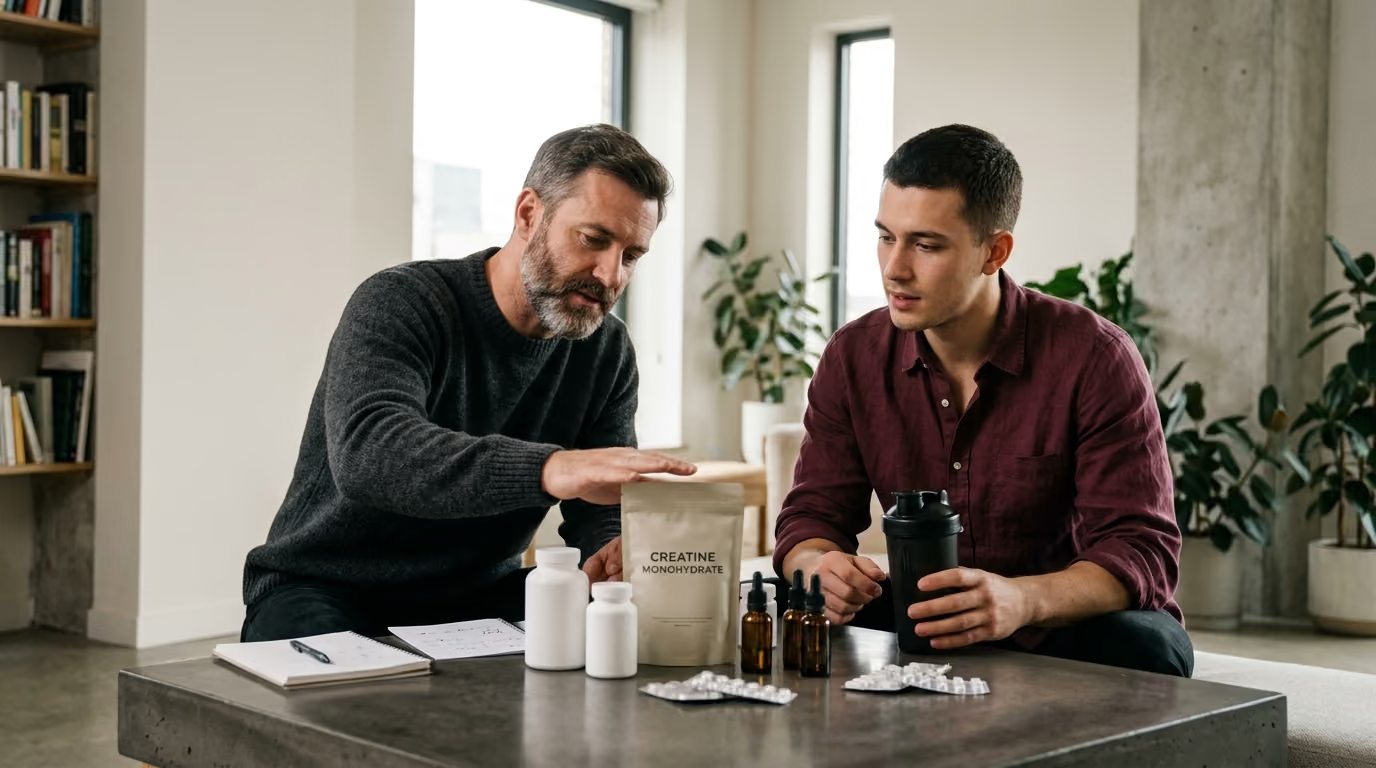

Strength supplements promise dramatic muscle gains, but only a few foundational compounds like creatine and protein deliver scientifically proven performance results.





Which strength supplements actually increase muscle mass and gym performance, and which ones merely drain your bank account?
Searching for clear answers online usually yields aggressive pre-workout ads, contradictory forum threads, or overly clinical studies that fail to translate into practical training advice. Deciding what to consume before, during, or after a workout should not require a degree in biochemistry or blind trust in fitness influencers.
This guide provides a research-led evaluation of strength, performance, and recovery supplements. It separates well-supported compounds from expensive distractions, outlines practical dosing principles, and addresses quality control, safety, and age-related considerations for long-term health.
Evaluating a fitness product requires looking past marketing slogans and examining peer-reviewed human trials. The dietary supplement market contains hundreds of products claiming to improve physical performance. Very few of these products deliver meaningful changes in muscle strength, training capacity, or body composition.
To evaluate any performance product, ask five primary questions:
Supplements fall into distinct functional categories based on how they act within the body. Understanding these operational categories prevents wasted money and unrealized expectations.
Foundational compounds address foundational nutritional requirements when standard whole foods, workout structure, and recovery habits fall short. Whey protein powder and plant protein blends belong in this category. They do not possess unique anabolic properties, but they provide accessible amino acids required to rebuild skeletal muscle tissue after high-volume weight training.
Evidence-supported ergogenics demonstrate reliable improvements in strength, power output, or high-intensity exercise capacity across multiple controlled clinical trials. Creatine monohydrate is the definitive example in this category. These compounds produce measurable physical results when consumed at correct dosages over appropriate time frames.
Context-dependent options offer performance advantages within highly specific, narrow training windows. Beta-alanine and sodium bicarbonate fit this description. They buffer muscular acid accumulation during sustained high-intensity efforts lasting between one and five minutes, but they provide negligible benefits for a single heavy maximum lift.
Optional conveniences offer mild subjective benefits or logistical advantages, but they remain entirely non-essential. Pre-workout caffeine doses or electrolyte powders fall into this tier. They can improve temporary focus or fluid balance during long sessions in hot conditions, but they do not directly build muscle tissue or increase raw strength baseline.
Commercial hype encompasses products whose market claims far exceed their scientific evidence. Branched-chain amino acids (BCAAs), glutamine for healthy lifters, citrulline malate, and over-the-counter testosterone boosters occupy this space. These products rely on surrogate biological markers, underdosed proprietary formulas, or aggressive advertising to sell low-value ingredients.
Aging brings gradual shifts in recovery rates, metabolic efficiency, joint comfort, and muscle tissue maintenance. Passing the age of 35 does not mean strength gains cease, but physical adaptation requires a more deliberate strategy.
Skeletal muscle tissue becomes slightly less responsive to circulating amino acids over time, a phenomenon known as anabolic resistance. Overcoming this shift requires adequate per-meal protein doses containing sufficient leucine to trigger muscle protein synthesis. Simply relying on light, sporadic meals becomes less effective for maintaining muscular tissue than it was during early adulthood.
Recovery timelines between heavy training sessions also expand as men age. Connective tissues lose a degree of elasticity, and systemic inflammation takes longer to clear following intense volume. Sleep architecture often changes, with reductions in deep slow-wave sleep that support physical repair.
Supplements cannot replace sound workout programming, adequate total energy intake, or restorative sleep. However, well-chosen supplements can support recovery mechanisms, help manage systemic fatigue, and ensure optimal nutritional baselines as physical demands evolve.
Creatine monohydrate remains the most thoroughly researched and effective ergogenic supplement available to strength athletes. Decades of clinical research confirm its ability to support high-intensity power output, increase lean body mass, and improve muscular strength.
Creatine serves as a precursor for phosphocreatine within skeletal muscle tissue. During intense, short-duration exercise such as heavy squatting or sprinting, muscle cells rely on phosphocreatine to rapidly regenerate adenosine triphosphate (ATP). ATP represents the primary energy currency for muscular contractions.
Increasing intramuscular phosphocreatine stores expands immediate energy availability during brief, explosive movements. This allows a lifter to complete additional repetitions or manage higher training loads before experiencing muscular failure. Across months of progressive resistance training, this expanded workload translates into greater strength gains and muscle hypertrophy.
Two established dosing strategies effectively saturate muscle creatine stores:
Loading saturates muscle tissue faster, but continuous maintenance achieves identical saturation levels given sufficient time. Precise daily timing relative to a workout is unnecessary. Consistent daily intake matters far more than consuming creatine within a specific pre-workout or post-workout window.
Initial supplementation with creatine frequently causes a scale weight increase of 0.5 to 1.0 liters of fluid retention. This fluid is stored inside muscle cells alongside elevated creatine stores, rather than under the skin as extracellular fluid. Intramuscular hydration increases cellular volume, which may support intracellular signaling pathways related to muscle growth.
Men tracking body composition should understand that early weight shifts reflect cellular water storage rather than fat accumulation. This distinction prevents unnecessary dietary adjustments or premature cancellation of an effective supplementation routine.
According to comprehensive research reviews, including the position stand from the International Society of Sports Nutrition, creatine monohydrate is safe and well tolerated in healthy individuals at standard recommended doses. Studies evaluating high-dose daily intake over five years show no adverse effects on renal function or systemic health parameters in healthy populations.
Common claims that creatine causes hair loss, damages healthy kidneys, or acts as an anabolic steroid are unsubstantiated by clinical data. Elevated serum creatinine on standard blood tests often reflects elevated total creatine turnover from higher muscle mass and oral supplementation, rather than active kidney damage. Individuals with pre-existing renal disease should consult a physician prior to starting supplementation.
Basic creatine monohydrate powder remains superior to expensive alternative forms such as creatine ethyl ester, liquid creatine, or buffered creatine. These exotic variants cost substantially more without offering greater bio-availability or performance benefits over plain monohydrate powder. You can explore more detailed analyses within our strength and fitness body composition guide.
Protein powders serve as convenient, portable food replacements designed to help athletes satisfy daily macronutrient targets. They do not possess unique anabolic properties compared to equivalent high-quality protein sources found in standard diets.
To maximize muscle growth and repair, physical activity guidelines recommend a total daily intake between 1.4 and 2.0 grams of protein per kilogram of body weight for active individuals. Lifters engaged in hard resistance training or calorie-restricted cutting phases often lean toward the upper end of this spectrum.
Exceeding 2.0 grams per kilogram daily does not yield additional muscle growth or strength gains for most natural lifters. Unused amino acids are simply oxidized for energy or converted into other metabolic substrates.
Distributing protein intake evenly across the day optimizes muscle protein synthesis. Research supports consuming approximately 0.25 grams of high-quality protein per kilogram of body weight per serving, which equates to roughly 20 to 40 grams of protein for most men.
Each protein serving should provide between 700 and 3,000 milligrams of leucine, an essential amino acid that triggers the molecular signaling pathway for muscle building. Distributing these balanced protein servings every three to four hours provides continuous support for tissue repair.
Protein shakes offer high utility when appetite is suppressed, work schedules prevent cooking solid meals, or post-workout convenience is needed. If daily protein requirements are easily met through whole foods, additional protein powders are unnecessary. Further insights on nutrition planning appear in our nutrition and metabolism resource hub.
Caffeine is the primary active ingredient in most pre-workout supplements. It acts directly on the central nervous system to enhance alertness, decrease perceived effort, and improve short-term muscular performance.
Caffeine crosses the blood-brain barrier and binds to adenosine receptors without activating them. By blocking adenosine, caffeine prevents the natural buildup of fatigue signals in the brain. This inhibition lowers the rating of perceived exertion during hard lifts, allowing athletes to maintain focus and perform reps with higher mental effort.
According to the National Institutes of Health Office of Dietary Supplements, consuming moderate pre-exercise caffeine doses of 200 to 400 milligrams enhances athletic performance across varied exercise formats. For healthy adults, total daily caffeine consumption from all sources should generally stay below 400 to 500 milligrams to prevent adverse systemic side effects.
Caffeine has an average half-life of five to seven hours in healthy adults. Consuming high-dose caffeine late in the afternoon or evening disrupts sleep architecture, reducing deep slow-wave sleep required for physical recovery.
A pre-workout drink that improves a single evening training session but causes sleep disruption can compromise long-term recovery and joint health. Protecting sleep quality should always take priority over temporary workout stimulation.
Combining multiple caffeinated energy drinks, coffee, and high-potency pre-workouts can lead to excessive stimulant exposure. Side effects include cardiovascular palpitations, elevated blood pressure, severe gastrointestinal disturbance, and anxiety.
Pure caffeine powder presents severe safety hazards because micro-measurement errors can lead to dangerous overdoses. Acute oral doses of 10 to 14 grams can be fatal. Concentrated powder products should be avoided entirely in favor of clearly labeled, standardized dosage formats.
Certain dietary supplements do not build muscle directly, but help buffer the acid accumulation that occurs during intense physical exertion. These compounds are effective within specific high-intensity exercise windows.
Beta-alanine is an amino acid that combines with histidine inside skeletal muscle to form carnosine. Intramuscular carnosine acts as a buffer against hydrogen ion accumulation, which drops muscle pH and causes the sensation of muscular burning during high-intensity exercise.
Research indicates that daily intake of 4 to 6 grams of beta-alanine for two to four weeks significantly increases muscle carnosine levels. This buffering capacity provides measurable benefits for sustained, high-intensity efforts lasting between 60 seconds and five minutes.
Beta-alanine offers minimal benefit for low-repetition heavy strength training, like a heavy set of three repetitions, because acid accumulation does not limit performance during brief efforts. It is better suited for high-rep conditioning, combat sports, rowing, or intense interval circuits.
A primary side effect of beta-alanine is paresthesia, a harmless tingling or prickling sensation on the skin. Paresthesia occurs when single doses exceed 800 milligrams or 10 milligrams per kilogram of body weight. Splitting daily consumption into smaller doses throughout the day eliminates this feeling while maintaining muscle saturation.
Sodium bicarbonate acts as an extracellular blood buffer. Consuming approximately 300 milligrams per kilogram of body weight prior to exercise increases blood pH and bicarbonate levels, helping draw acidic byproducts out of working muscle cells during intense exercise.
While clinical studies demonstrate minor to moderate performance improvements in high-intensity efforts, sodium bicarbonate presents practical challenges. High oral doses cause severe gastrointestinal distress, bloating, and diarrhea in many individuals.
Because of these side effects and high sodium content, sodium bicarbonate remains a specialist tool for competitive performance trials rather than a standard daily workout supplement.
The supplement market contains numerous products that lack solid scientific support. Recognizing these low-utility ingredients prevents unnecessary spending.
L-citrulline and citrulline malate are marketed as nitric oxide boosters designed to increase muscular vascularity, improve blood flow, and enhance weightlifting pump. Citrulline acts as a precursor to L-arginine in the body, promoting vasodilation.
Despite intense commercial promotion, the National Institutes of Health Office of Dietary Supplements notes that current clinical evidence supporting citrulline for performance enhancement remains limited and conflicting. Temporary vascular pumps do not directly translate into long-term strength improvements or accelerated muscle growth. Citrulline remains an optional additive rather than a foundational strength tool.
Branched-chain amino acids consisting of leucine, isoleucine, and valine are widely marketed to reduce muscle breakdown and promote recovery. However, BCAAs contain only three of the nine essential amino acids required to synthesize new muscle tissue.
When total daily protein intake is adequate, supplementation with BCAAs offers no additional benefit for muscle growth, strength gains, or reduced muscle soreness. Consuming whole protein sources like whey, eggs, or chicken provides a complete amino acid profile, rendering isolated BCAA supplements unnecessary.
Glutamine plays important roles in intestinal health and immune system function within clinical medical settings. However, clinical trials evaluating glutamine supplementation in healthy strength athletes show no significant effects on muscle performance, body composition, or the prevention of muscle protein breakdown. Healthy lifters consuming balanced diets derive no unique athletic benefits from supplemental glutamine.
Over-the-counter products labeled as testosterone boosters typically contain mixtures of herbs like Tribulus terrestris, fenugreek, ashwagandha, and various minerals. Extensive clinical testing shows these over-the-counter herbal mixtures do not produce sustained, clinically meaningful increases in serum testosterone in healthy men.
Many of these products use proprietary blends, which group multiple ingredients under a single mass dose on the label. Proprietary blends conceal exact individual ingredient quantities, allowing manufacturers to include ineffective trace amounts of expensive ingredients while filling the product with cheap additives. Avoid products that conceal individual ingredient dosages behind proprietary blend terminology.
Physical fitness, muscular physique, and personal appearance carry distinct social weight within gay culture. Decades of social research document elevated body image standards, visual comparison, and awareness of physical aging among gay men.
Gyms often serve as central social spaces within gay communities. The pressure to maintain a lean, muscular build can lead to chasing rapid physical results through unproven dietary supplements, aggressive pre-workout stimulant stacks, or unregulated hormonal compounds.
Understanding the difference between proven physiology and commercial marketing helps protect long-term physical health. Muscle growth requires consistent resistance training, structured progressive overload, adequate energy intake, and time. Supplements cannot bypass these fundamental physiological principles, regardless of bold advertising claims.
Prioritizing foundational health metrics, such as cardiovascular endurance, joint integrity, sleep quality, and metabolic balance, ensures that athletic performance and appearance are built on a sustainable foundation. You can read more about balancing physical health and social well-being in our guide to confidence and relationships.
Navigating the supplement market requires an understanding of regulatory structures and quality verification practices. Protecting long-term health requires evaluating supplement safety with the same rigor applied to performance claims.
In the United States, dietary supplements are regulated under the Dietary Supplement Health and Education Act (DSHEA). Unlike pharmaceutical prescription drugs, dietary supplements do not require pre-market approval or safety testing by the Food and Drug Administration (FDA) before being offered for sale to the public.
Manufacturers are responsible for ensuring that their products are safe and that their label statements are truthful. However, the FDA primarily intervenes after a product enters the marketplace, typically taking action only after receiving reports of contamination, illegal ingredients, or severe adverse health events.
Because pre-market federal oversight is minimal, independent third-party testing organizations provide critical quality control verification. Testing organizations verify that the contents of a product match its label and confirm the absence of dangerous contaminants, heavy metals, or undeclared pharmaceutical compounds.
Look for products that bear certification seals from recognized independent testing organizations:
Choosing products verified by independent third parties significantly lowers the risk of consuming contaminated or inaccurate formulas.
Supplements contain biologically active compounds that can interact with prescription medications, altering drug absorption, metabolism, or excretion.
Always inform your physician and pharmacist about every supplement, protein powder, and pre-workout formula you take. Open communication ensures that dietary choices support overall health without interfering with necessary medical treatments. Additional health management details appear in our healthy aging research center.
Honest science requires defining where clear research ends and uncertainty begins. While foundational supplements like creatine monohydrate and protein powders are supported by extensive literature, many areas of sports nutrition lack long-term clinical clarity.
Recognizing these research gaps prevents assuming that every product produces identical results for every individual. Trialing single compounds systematically yields better insight than adopting complex, expensive supplement stacks.
Selecting dietary supplements should follow a structured, logical decision process rather than impulsive purchases based on social media trends.
Identify the specific physical outcome you want to improve. Determine whether your goal is an increase in absolute strength, higher training volume capacity, convenient protein intake, or acute focus during workouts.
Before purchasing any supplement, evaluate your core health habits:
Supplements cannot compensate for missing core health habits.
Match your specific training goals directly to evidence-supported single ingredients:
Select products from reputable manufacturers that feature clear ingredient labels and third-party quality certifications like USP or NSF Certified for Sport. Avoid products that use proprietary blends to hide exact dosages.
Introduce one supplement at a time while maintaining stable diet and exercise habits. Track objective training markers over four to eight weeks, including weight lifted, repetitions completed, recovery rates, scale weight, and sleep quality.
Use this checklist to streamline your supplementation routine this week:
By focusing on high-evidence compounds and maintaining a consistent training program, you can support long-term strength, body composition, and physical vitality without wasting money on commercial hype. Additional performance and vitality guides are available on the GayFitLab main homepage.
Focus your resources on consistent resistance training, balanced whole-food nutrition, adequate restorative sleep, and creatine monohydrate. Most heavily marketed performance stacks offer minimal value and cannot replace foundational training habits.
Stay connected for research-led guidance on fitness, body composition, skin, grooming, vitality, sexual wellbeing, relationships and healthy aging. Clear ideas for gay men 35+ who want to look good, feel strong and age with confidence.


Build habits and systems that support clear thinking, steady energy and long term capacity throughout a demanding career.
explore the Blog