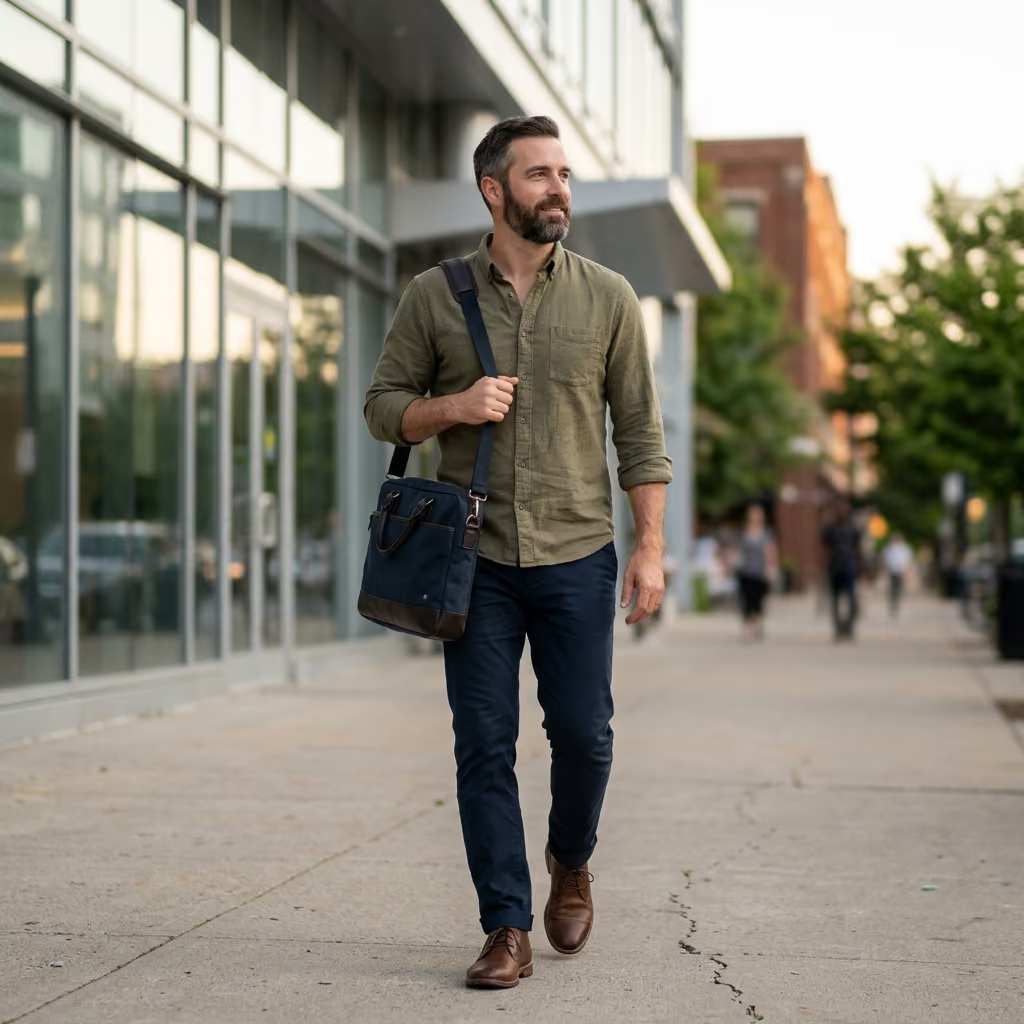

Skincare cannot eliminate excess tissue after major body changes, making it essential to target surface quality and structural volume with distinct clinical therapies.





Fitness culture often promises that losing fat or building muscle automatically creates a taut, youthful physique. The reality is far more complex. Substantial changes in body composition frequently expose loose tissue, stretch marks, hollowed facial contours, and altered skin dynamics. These visible shifts are not personal failures of discipline. They are predictable biological outcomes when the volume beneath the skin changes faster than the skin can adapt.
Understanding how your body changes beneath the surface separates realistic expectations from predatory commercial promises. When you change fat mass, lean muscle, or hydration, your skin responds according to its structural elasticity, genetic traits, and historical expansion. A complete approach to skin, grooming, and aesthetic longevity requires looking at dermal quality, anatomical volume, and long-term care without relying on quick cosmetic fixes.
Visible changes after a body transformation involve several distinct physical components. People often lump these components together under the label of loose skin. Grouping them together leads to confusion about which interventions can actually help.
A clear aesthetic assessment separates six primary factors:
Treatments designed to improve skin quality, such as topical retinoids or barrier creams, cannot eliminate excess skin quantity. Creams treat the outer layers of tissue. They cannot shrink square inches of redundant skin left behind after major weight reduction.
Surgical excision removes excess skin quantity with precision. Surgery cannot completely restore youthful collagen architecture, erase every stretch mark, or rebuild lost facial volume. Each tissue layer requires a distinct, evidence-informed strategy.
Ageing changes how the skin responds to shifts in body composition. After age 35, the body naturally produces less collagen and elastin. The dermis becomes thinner and less resilient, which reduces the mechanical recoil of the skin when underlying fat or muscle changes.
Skin recoil depends heavily on mechanical strain capacity and structural protein density. Research using elastographic measurements demonstrates that skin strain and elasticity decline steadily with age. When an individual loses weight at age 25, the skin retains substantial elastic recoil. The same volume loss at age 45 or 55 leaves more visible looseness because the connective framework has lost its original bounce.
Facial changes after 35 highlight the interaction between ageing and volume reduction. The human face relies on distinct superficial and deep fat compartments to support the skin. During midlife, these fat compartments naturally atrophy and shift downward.
When fat loss occurs during midlife, it accelerates the visual signs of facial deflation. A 2025 radiographic study evaluated midfacial volume shifts after weight reduction. The researchers documented a median 9% decrease in total midfacial volume. Superficial facial fat decreased by approximately 11%, while deep fat decreased by roughly 7%. The study calculated an average 7% loss of midfacial volume for every 10 kilograms of total body weight lost.
These anatomical shifts explain why weight reduction after 35 often presents as hollowed temples, deeper nasolabial folds, and sagging around the jawline. The skin is not simply loose. The underlying structural scaffolding has diminished. Preserving physical vitality through longevity and healthy aging strategies requires recognizing that some facial changes reflect normal volumetric anatomy rather than skin damage.
Different pathways to body-composition change create distinct patterns on the skin surface. The visual outcome depends directly on the speed of the change, the hormonal environment, and overall nutritional status.
Substantial weight reduction creates a significant mismatch between the surface area of the skin and the underlying tissue volume. The skin stretches over months or years of tissue expansion. When the underlying fat disappears, the damaged elastin fibers cannot pull the skin back against the body.
This mechanism produces classic regional patterns:
Post-bariatric research shows that between 25% and 54% of patients express a strong desire for body-contouring surgery, with some clinical cohorts reporting interest as high as 84.5%. Only about 21% to 25% of patients proceed with surgical excision. The gap between desire and treatment reflects financial considerations, recovery demands, and the reality of surgical scarring.
Building muscle mass changes the silhouette by adding volume beneath the dermis. Hypertrophy fills out the shoulders, upper chest, back, and thighs, which can create a tauter visual appearance in areas with mild laxity.
Rapid muscle growth can also cause mechanical stress in the dermis. When muscle volume expands faster than the skin can remodel, the dermis develops linear dermal scars known as striae distensae, or stretch marks. These marks occur frequently across the anterior deltoids, pectorals, and biceps during periods of rapid training progress.
Exercise also offers direct biological benefits to the skin structure. A 16-week clinical study showed that both aerobic endurance exercise and resistance training improved skin elasticity and upper dermal structure. Resistance training produced an additional benefit by increasing dermal thickness through circulating factors that stimulate the extracellular matrix. While structured lifting improves dermal quality, it cannot eliminate large hanging folds of redundant skin.
Modern weight-loss medications, such as GLP-1 receptor agonists, often cause rapid reductions in fat mass. Public discussions frequently label the resulting facial changes as a unique drug side effect. Medical literature clarifies that these changes stem from rapid fat loss and facial devolumization rather than direct chemical toxicity from the drug.
Rapid weight reduction can trigger nutritional and metabolic stress. When caloric deficits are severe or protein intake falls, several clinical signs can appear:
Clinical nutrition guidelines from Johns Hopkins Medicine note that transient hair shedding during the first few months of rapid weight loss is common and typically resolves. Inadequate daily protein intake accelerates lean-tissue loss and impairs tissue repair. Maintaining foundational nutrition and metabolism habits protects lean mass and supports dermal remodeling during active weight reduction.
Gay men face distinct social pressures regarding physical appearance, body composition, and aging. Gay social spaces, dating apps, and community environments often place intense focus on visible muscularity, low body fat, and youthful skin.
Navigating physical changes after 35 requires emotional perspective. When a gay man loses weight to improve health, the appearance of loose skin or facial hollowing can trigger unexpected distress. In locker rooms, social gatherings, or intimate encounters, visible skin laxity may feel at odds with cultural standards of physical perfection.
Body changes can complicate dating and sexual intimacy. Loose abdominal skin, flattened gluteal contours, or prominent stretch marks can create self-consciousness when removing clothing. Men may worry about how a partner will perceive loose tissue or surgical scars.
A mature approach separates health achievements from unrealistic visual standards. Building strength through dedicated strength and body composition programming improves physical function, posture, and self-esteem. True physical confidence grows from bodily capability, health markers, and self-respect rather than chasing the unblemished skin of a twenty-year-old. Protecting mental resilience and nurturing healthy confidence and interpersonal relationships allows you to appreciate your progress while accepting normal anatomical realities.
Evaluating skin changes accurately helps determine whether an issue requires simple daily care, dermatological treatment, or surgical evaluation. Clinicians evaluate tissue laxity using systematic staging systems such as the Stokes scale.
A functional four-tier framework categorizes the spectrum of post-weight-loss changes:
This stage features fine wrinkles, slight crepey texture, or mild surface dryness. The skin fits closely against the underlying muscle and fat. There is no true hanging tissue or mechanical overhang.
Daily barrier care, sun protection, and progressive resistance training offer the best results for this stage. Medical interventions are rarely necessary.
This level involves mild skin looseness that becomes visible in specific positions, such as bending forward or planking. The tissue does not form deep folds while standing.
Building underlying muscle mass fills out the surrounding area and improves the overall contour. Dermatological therapies that stimulate collagen may provide modest texture refinement.
This stage presents clear tissue overhangs, deflated breast or chest contours, and skin folds around the lower abdomen, thighs, or upper arms. Folds remain visible in all standing postures.
Creams and standard exercise cannot eliminate tissue excess at this level. Men at this stage must choose between accepting the physical contours, using strategic clothing, or consulting a board-certified plastic surgeon.
This level features substantial tissue aprons that hang over the groin, thighs, or buttocks. Severe redundancy often causes physical complications:
Severe cases move beyond cosmetic preference into medical necessity. Treatment focuses on protecting skin integrity, managing moisture, and evaluating reconstructive surgery to restore functional mobility.
Non-surgical treatments can refine skin texture, fade pigment, and soften shallow scars. Setting realistic expectations prevents wasted money on unproven procedures.
Stretch marks change biologically over time, which dictates how they respond to clinical care:
American Academy of Dermatology clinical guidance warns that retinoids cause localized skin irritation and increase sun sensitivity. Anyone using active topicals should apply a broad-spectrum, water-resistant sunscreen with SPF 30 or higher to all exposed skin.
Men with deeper skin tones (Fitzpatrick skin phototypes IV through VI) face specific risks during aesthetic treatments. Inflammatory irritation from aggressive chemical peels, high-energy lasers, or strong retinoids can trigger post-inflammatory hyperpigmentation.
Clinical safety protocols for skin of colour require careful management:
A simple, science-backed skin routine maintains dermal barrier health and protects structural proteins from avoidable damage:
When significant weight loss leaves large folds of excess tissue, surgery represents the only definitive method to remove redundant skin. Understanding the surgical landscape helps patients weigh benefits against realistic risks.
Plastic surgeons utilize specific operations depending on where tissue redundancy is concentrated:
Body-contouring surgery involves major physical trauma and significant recovery periods. The American Society of Plastic Surgeons outlines clear operative risks that every patient must evaluate:
Surgeons recommend waiting until body weight has remained completely stable for at least six to twelve months before undergoing elective body contouring. Operating while weight is still dropping increases the risk of developing new skin laxity later.
Managing skin and appearance changes requires a structured, step-by-step approach. Rather than reacting impulsively to every new wrinkle or fold, follow a disciplined four-phase model.
Allow your body weight to stabilize for several months following an active weight-loss or muscle-building phase. Track your physical baseline by recording:
Establish simple daily habits that protect your skin without medical risks:
Direct your resources toward the specific tissue layer causing concern:
Evaluate changes using clear, objective standards rather than subjective daily mirror checks. Take standardized reference photos every three months under identical lighting, camera angles, and posture.
Assess results across practical categories:
Consider two hypothetical examples that show how this framework applies to real-world situations.
Illustrative Model A: Managing Skin Folds After Substantial Fat Loss
An individual loses 40 kilograms over eighteen months and reaches a stable weight. He notices a lower abdominal skin fold that traps moisture during workouts, leading to recurrent red, itchy rashes.
Under the care framework, he avoids spending money on over-the-counter firming creams that cannot shrink redundant tissue. Instead, he consults a physician to treat the underlying fungal rash with topical medication. He uses moisture-wicking athletic gear to minimize chafing during running. After maintaining a stable weight for twelve months, he consults a plastic surgeon to discuss whether an abdominal panniculectomy is appropriate for eliminating the painful skin fold.
Illustrative Model B: Addressing Facial Shifts and Early Stretch Marks
A 42-year-old man increases his resistance training and lowers his body fat over nine months. He notices new purple marks across his anterior shoulders and feels his face looks gaunt around the cheeks and temples.
Rather than assuming a medical crisis, he recognizes the shoulder marks as striae rubrae caused by rapid muscle growth. He applies sunscreen daily and discusses prescription retinoid therapy with his dermatologist while the marks are still early and vascular. For his face, he realizes that midfacial fat has decreased naturally with age and fat loss. He allows his weight to settle, focuses on hydration, and avoids aggressive resurfacing treatments that cannot restore underlying fat volume.
The wellness and cosmetic industries frequently promote unproven treatments to people who feel insecure about their bodies. Identifying these marketing claims protects your health and finances.
Cosmetic companies market hundreds of creams containing caffeine, botanical extracts, or marine collagen claiming to tighten loose skin. While these products can hydrate the stratum corneum and temporarily smooth the epidermis, they cannot alter dermal elasticity or eliminate excess skin tissue. No topical product can duplicate the results of surgical excision.
Oral collagen peptides have gained widespread popularity for skin health. While some studies suggest minor improvements in skin hydration and surface elasticity, high-level scientific reviews confirm that oral collagen cannot rebuild severe dermal stretch damage or eliminate redundant hanging skin. Supplementing collagen will not pull loose abdominal or arm tissue back into place.
Marketing materials for aesthetic clinics often claim that lasers or microneedling can erase stretch marks permanently. High-level systematic reviews show that clinical therapies provide only partial improvement in scar depth, texture, and colour. Mature striae albae remain permanent structural alterations within the dermis.
Physical exercise is vital for metabolic health, muscular strength, and overall vitality. While resistance training thickens the dermis and shapes the underlying muscle, exercise cannot cause redundant, stretched-out skin to disappear. Believing that additional core workouts will burn away loose abdominal skin leads to frustration and burnout.
Approaching your physical appearance with scientific clarity allows you to make informed, adult choices. When you understand what topical care, physical training, and surgical procedures can and cannot accomplish, you can care for your body with confidence, patience, and realistic expectations.
Sustainable body confidence comes from understanding your anatomy, maintaining healthy daily habits, and separating realistic physical improvement from impossible commercial promises.
Stay connected for research-led guidance on fitness, body composition, skin, grooming, vitality, sexual wellbeing, relationships and healthy aging. Clear ideas for gay men 35+ who want to look good, feel strong and age with confidence.


Build habits and systems that support clear thinking, steady energy and long term capacity throughout a demanding career.
explore the Blog