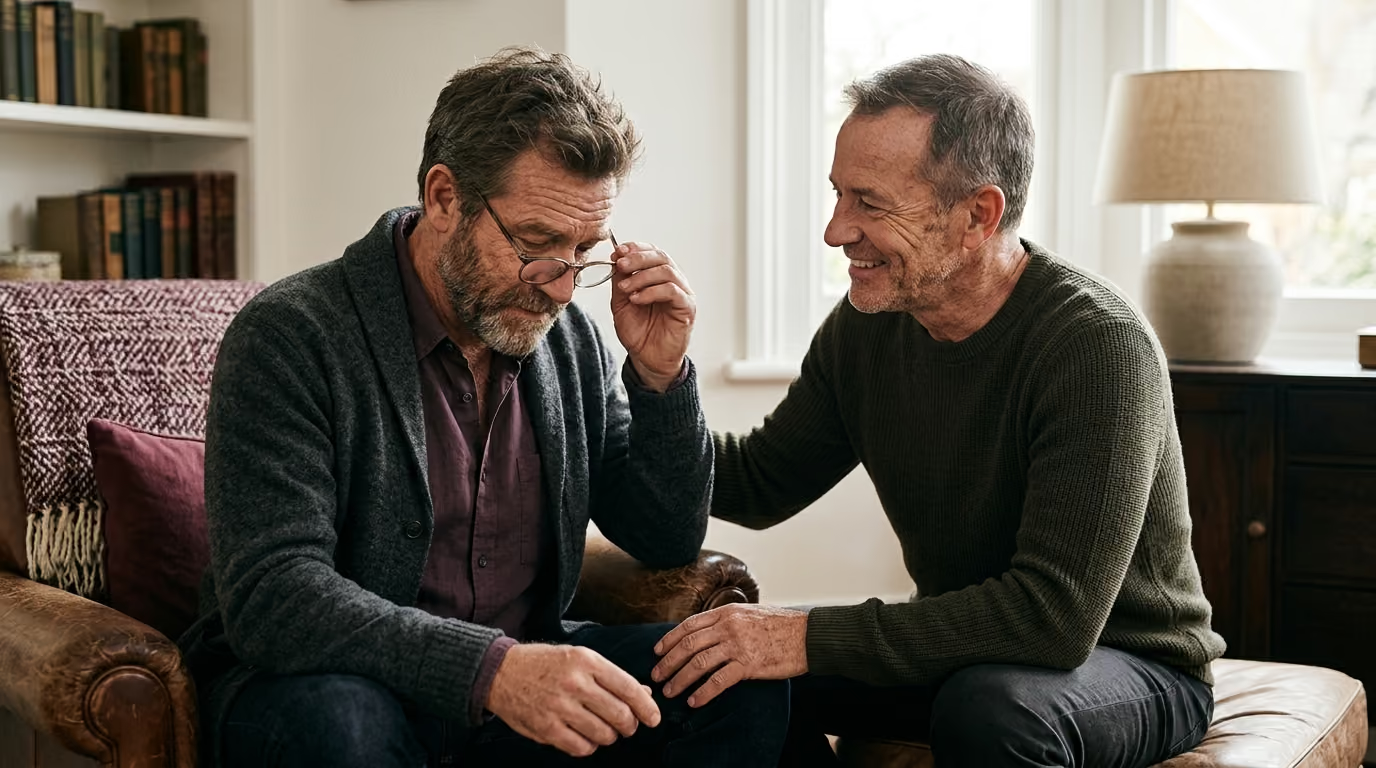

Five distinct biological and psychological domains influence male sexual function after 35, shaping practical strategies for sustaining long-term intimacy and satisfaction.





You are thirty-eight, forty-four, or fifty-two, and an intimate encounter does not unfold quite the way it used to. Perhaps your erection takes longer to develop, softens when you pause to reach for a condom, or vanishes entirely after a demanding work week. Maybe reaching orgasm suddenly requires intense concentration, or your spontaneous interest in sex has shifted into something quieter. The immediate instinct for many men is panic, followed by self-criticism or silent resignation.
Sexual response changes across a lifespan. These shifts are common, multifactorial, and treatable rather than an inevitable personal decline.
Understanding your sexual physiology after 35 requires setting aside performance pressure. Erection mechanics, spontaneous desire, physical arousal, and orgasm are distinct neurological and vascular events. When changes occur, they serve as valuable indicators of your overall health rather than a test of your desirability.
Addressing these changes involves a clear clinical framework. You can examine what current research proves about age-related shifts, learn how to evaluate symptoms accurately, and review evidence-based treatments that support long-term sexual vitality.
Clinical evidence confirms that sexual function is not a single biological switch. It is a coordinated system involving vascular health, endocrine balance, neurological signaling, and psychological context. Because these elements operate simultaneously, a change in one area does not mean every aspect of sexual capacity has failed.
Research distinguishes between normal age-related variation, primary sexual dysfunction, and underlying systemic disease. A gradual increase in the time required to achieve an erection is a normal physiological adjustment. In contrast, a persistent inability to attain rigidity that causes personal distress is classified as erectile dysfunction.
Data from large population studies show that sexual patterns shift across each decade. In a study of men older than 50 published in urological research, overall sexual function, desire, and orgasm frequency decreased incrementally by decade. After excluding men treated for prostate cancer, the age-standardized prevalence of erectile dysfunction in the preceding three months was 33 percent.
Systematic reviews demonstrate that low desire becomes more frequent with advancing age, yet the reported rates vary substantially. Among men aged 60 and older, reported lack of desire ranges from 12 percent to 51.6 percent. Among men aged 70 and older, that figure spans 20 percent to 65.9 percent. These wide ranges show that sexual interest is heavily shaped by general health status, relationship quality, and how researchers define distress.
Erection quality alone does not dictate sexual satisfaction. A man may experience softer erections but maintain a fulfilling sex life through mutual pleasure, oral intimacy, and non-penetrative touch. Conversely, an individual can possess reliable erections while experiencing severe distress from delayed orgasm or absent desire.
Clinical guidelines from the American Urological Association and the European Association of Urology organize sexual health into a biopsychosocial framework. This approach evaluates five interacting areas:
Treating sexual function as a vital sign provides a direct window into your overall physical health and longevity and healthy aging.
Aging brings measurable changes to the tissues, nerves, and hormone pathways responsible for sexual function. These changes are physical realities, yet they do not mean satisfying sexual intimacy must end.
Penile erections depend on nitric oxide release from endothelial cells and non-adrenergic, non-cholinergic nerves. Nitric oxide stimulates cyclic guanosine monophosphate production, causing the smooth muscle inside the corpora cavernosa to relax. As these chambers fill with blood, expanding tissue presses against the rigid tunica albuginea, compressing the veins to trap blood inside.
With age, baseline endothelial nitric oxide production declines. Connective tissues within the penis gradually lose compliance, making venous trapping slightly less efficient. As a result, erections may require more direct physical stimulation rather than visual fantasy alone.
The refractory period represents the time required after ejaculation before a man can achieve another erection. In a man's late teens, this recovery might take fifteen minutes. By age forty or fifty, the refractory period naturally extends to several hours or even a full day.
Ejaculatory mechanics also change over time. The volume of seminal fluid produced by the prostate and seminal vesicles decreases gradually. Contractions during climax may feel less forceful, and the sensation of ejaculatory inevitability may shorten.
These physical shifts are natural milestones of maturity. When you understand them, you can adjust pacing and stimulation without treating normal changes as medical emergencies.
Serum total testosterone peaks during late adolescence and early adulthood, declining by roughly one percent per year after age thirty. This gradual shift differs from the rapid hormonal transitions seen in menopause. Most men maintain testosterone levels within the normal physiological range throughout their entire lives.
When clinically significant testosterone deficiency occurs, it is termed hypogonadism. True hypogonadism requires both consistent biochemical testing and distinct clinical symptoms. Diagnosing low testosterone requires early morning blood tests, because testosterone levels fluctuate widely throughout the day.
Evaluating hormone levels accurately requires measuring morning total testosterone on at least two separate days. Afternoon tests or online symptom checklists cannot establish a clinical diagnosis.
Popular culture presents male desire as an urgent, spontaneous drive that strikes without warning. In reality, human desire operates through two distinct pathways:
Spontaneous desire naturally decreases as men age, while responsive desire remains intact. Many men in their forties and fifties find they rarely feel spontaneous urges while sitting at a desk. Yet once they engage in physical affection, foreplay, or sensual touch with a partner, arousal develops smoothly. Recognizing responsive desire helps couples avoid the false belief that attraction has faded.
Translating research into daily living means looking at how vascular health, stress, and self-perception shape your experiences in the bedroom. Sexual vitality is closely connected to your daily routines and mindset.
When an erection wavers during intimacy, the psychological reaction often causes more disruption than the initial physical pause. A momentary loss of focus or a minor shift in position can reduce blood flow. If a man interprets this as a personal failure, his body releases adrenaline and cortisol.
This surge of adrenaline activates the fight-or-flight response, constricting the delicate arteries supplying the penis and instantly draining blood. This process is called spectatoring, where a man steps outside his sensual experience to monitor his physical performance. Spectatoring creates a self-fulfilling loop where fear of losing an erection guarantees its loss.
Clinicians pay close attention to situational patterns to distinguish physical vascular blockages from psychosexual anxiety. A situational pattern often presents distinct clues:
These patterns do not mean the issue is imaginary. Anxiety produces genuine physical changes in blood vessels. Recognizing these psychological triggers helps you break the cycle through communication and behavioral adjustments. For more strategies on managing psychological factors, review our guide to confidence and relationships.
Vascular health directly mirrors how you care for your body every day. Sustained improvements in movement, rest, and nutrition create the biological foundation for reliable sexual response.
Regular exercise stimulates endothelial cells to produce nitric oxide, preserving vascular flexibility. Cardiovascular exercise and resistance training both support erectile rigidity. Managing blood glucose and cholesterol prevents microscopic plaque accumulation within the penile arteries, protecting your long-term vitality. Discover more evidence-based protocols in our nutrition and metabolism section.
Sleep quality plays a major role in hormonal health. Testosterone synthesis occurs largely during deep, rapid eye movement sleep. Men with untreated obstructive sleep apnea frequently report erectile difficulties and low desire, which often resolve once normal breathing patterns and sleep stages are restored.
Gay and bisexual men navigate unique cultural, behavioral, and clinical factors that shape sexual wellness after 35. Mainstream medical advice often overlooks these realities, leaving men without practical guidance.
Cultural pressures regarding youth, muscularity, and physical perfection can intensify sexual anxiety as men age. In many gay social spaces, visible aging is treated with unwarranted apprehension. This aesthetic pressure can turn minor changes in erection firmness into severe threats to self-esteem and belonging.
Unlike heterosexual scripts that often mandate penile-vaginal penetration, gay male intimacy includes a broad range of sexual expressions. Men may identify as tops, bottoms, versatile, or side partners who prefer non-penetrative pleasure.
A versatile man experiencing erectile changes can shift his focus toward receptive pleasure or sensual touch without ending the encounter. Conversely, an insertive partner may feel intense pressure to maintain rigid firmness throughout an encounter. Communicating openly with partners about pacing, lubrication, and alternative forms of pleasure removes unnecessary strain.
Living with HIV is no barrier to a rewarding, vibrant sex life. However, long-term health management requires attention to vascular and metabolic well-being.
Research cohorts of men living with HIV have identified age, historical exposure to early-generation protease inhibitors, and concurrent antidepressant use as contributors to erectile difficulties. Chronic low-grade inflammation and metabolic changes can affect vascular endothelium over several decades. Modern antiretroviral therapy is highly effective, and addressing sexual changes in HIV-positive men involves standard cardiovascular optimization and medication reviews.
For men taking Pre-Exposure Prophylaxis (PrEP), the medication itself does not cause erectile dysfunction or low libido. However, active sexual health monitoring remains essential.
The Centers for Disease Control and Prevention recommends comprehensive STI screening every three to six months for sexually active gay and bisexual men on PrEP or with multiple partners. Routine urine tests alone are insufficient for complete sexual wellness.
Asymptomatic rectal or pharyngeal infections can cause local inflammation, nerve irritation, and discomfort that interfere with sexual enjoyment if left untreated.
Recreational substance use within some social networks can complicate sexual physiology. Alcohol, cannabis, stimulants, and sedatives temporarily alter central nervous system function and vascular tone. Stimulants cause significant peripheral vasoconstriction, making erections difficult despite intense psychological arousal.
A vital safety warning involves mixing erectile medications with alkyl nitrites, commonly known as poppers. Phosphodiesterase type 5 (PDE5) inhibitors such as sildenafil or tadalafil dilate blood vessels by preserving cyclic GMP. Alkyl nitrites stimulate nitric oxide production directly.
Combining a PDE5 inhibitor with nitrates or nitrites causes massive, uncontrolled systemic vasodilation. This reaction can lead to a fatal drop in blood pressure, cardiovascular collapse, or stroke. Never use poppers or prescription nitroglycerin if you take PDE5 inhibitors.
When sexual changes cause concern, a structured clinical assessment provides clear answers. Modern clinical protocols avoid guesswork in favor of precise medical evaluation.
Guidelines from the American Urological Association and the European Association of Urology recommend a thorough history, focused physical exam, and selective laboratory testing. You can read more about comprehensive clinical evaluations in our resources library.
A detailed clinical interview explores how symptoms developed over time. Sudden onset often points toward acute psychological stress, relationship conflict, trauma, or a new medication side effect. Gradual, steady progression over several years suggests underlying vascular, metabolic, or neurological changes.
The interview also clarifies specific sexual domains. The clinician will ask whether difficulties occur during masturbation, whether morning erections occur, and whether you experience pain or curvature. Sharing your medication history, including over-the-counter supplements and alcohol use, helps identify hidden chemical triggers.
A focused physical exam evaluates resting blood pressure, resting heart rate, and body composition. The clinician checks peripheral pulses in your legs and conducts a genital exam to evaluate testicular volume, check for fibrous plaques associated with Peyronie's disease, and assess neurological reflexes.
Laboratory testing should be selective rather than an unfocused hormone screen:
Validated questionnaires, such as the International Index of Erectile Function (IIEF-5), provide an objective baseline to track your progress and evaluate treatment responses over time.
Effective support for sexual vitality uses a stepped approach. Treatment begins with foundational health habits and progresses to medical therapies tailored to your specific needs.
Oral PDE5 inhibitors are the established first-line medical treatment for erectile dysfunction. These medications include sildenafil, tadalafil, vardenafil, and avanafil.
These drugs work by inhibiting the PDE5 enzyme, which breaks down cyclic GMP in penile smooth muscle cells. By preserving cyclic GMP, they enhance blood flow and help sustain natural erections. PDE5 inhibitors do not create artificial erections automatically; they require erotic stimulation and arousal to work.
Common side effects include headaches, facial flushing, nasal congestion, mild indigestion, and occasional muscle aches. If a medication seems ineffective initially, review the timing, dose, and food intake with your clinician before assuming it failed. A proper trial involves several attempts with adequate sexual stimulation.
Testosterone therapy is indicated only when a man exhibits consistent clinical symptoms alongside repeatedly low morning testosterone levels. Clinical guidelines from the Endocrine Society advise against prescribing testosterone as a general anti-aging tonic or for men with normal hormone levels.
When true hypogonadism is diagnosed, testosterone therapy can restore libido, support energy, improve mood, and enhance the effectiveness of PDE5 inhibitors. Treatment options include transdermal gels, weekly or biweekly intramuscular injections, subcutaneous pellets, and long-acting formulations.
Exogenous testosterone suppresses the body's natural production of luteinizing hormone and follicle-stimulating hormone, significantly reducing sperm count. Men planning to have biological children should discuss fertility-preserving treatments, such as human chorionic gonadotropin or selective estrogen receptor modulators, with their doctor.
When oral medications are unsuitable, poorly tolerated, or ineffective, several evidence-based alternatives provide reliable support:
Learn more about managing your health and vitality in our dedicated male vitality and sexual wellbeing resource hub.
Psychosexual therapy provides powerful tools for overcoming performance anxiety, unhelpful mental loops, and relationship stress. It works effectively as a standalone treatment or alongside medical options.
Sensate focus exercises guide couples through structured touching sessions where genital touch and penetration are temporarily off-limits. This removes performance pressure, allowing your body to relax and rediscover natural arousal cues.
Sexual wellness extends far beyond achieving an erection. Changes in orgasmic timing, ejaculatory function, and baseline desire require thoughtful, independent evaluation.
Anorgasmia, delayed orgasm, and rapid ejaculation are distinct neurological conditions. An erection can remain rock-solid while orgasm remains frustratingly out of reach. Conversely, rapid climax can occur before an erection fully forms.
Selective serotonin reuptake inhibitors (SSRIs) and serotonin-norepinephrine reuptake inhibitors (SNRIs) are widely prescribed for depression and anxiety. These medications frequently cause sexual side effects, particularly delayed orgasm, anorgasmia, and reduced libido.
Clinical studies report that 30 percent to 50 percent of patients taking SSRIs experience some degree of sexual side effects. Elevated serotonin levels in the central nervous system downregulate dopamine and noradrenaline signaling, blunting sexual excitement and raising the threshold for climax.
Never stop taking an antidepressant abruptly without medical guidance. Quitting suddenly can trigger severe withdrawal symptoms and cause underlying depression to return.
Instead, work closely with your prescribing physician to explore safe solutions:
Collaborating with your doctor ensures your mental health and sexual vitality are supported together.
Misinformation about sexual health can lead men to make poor decisions, delay care, or try untested treatments. Clearing up these misconceptions helps you focus on safe, proven strategies.
Age brings minor variations in response times, but severe or persistent erectile dysfunction is a clinical condition, not an inescapable fate. More importantly, new or worsening erectile difficulties often serve as early indicators of underlying cardiovascular disease, hypertension, or diabetes. Dismissing these symptoms means missing a vital opportunity to protect your long-term health.
Testosterone regulates desire, but penile rigidity depends primarily on vascular health and neurological signaling. Many men with severe erectile dysfunction have completely normal testosterone levels. Relying on hormone supplements without addressing blood vessel health or anxiety will not solve erectile problems.
Sexual desire fluctuates naturally in response to chronic fatigue, career stress, depression, medication changes, and relational dynamics. Assuming that lower desire means a relationship is failing creates unnecessary guilt and emotional distance. Desire often returns when stress is addressed and partners shift their expectations toward responsive arousal.
Masturbation involves familiar physical touch, control over pacing, visual fantasy, and zero performance pressure. While reliable solo erections suggest a significant psychosexual component, they do not completely rule out early vascular changes or mild neurological deficits. A baseline health evaluation remains valuable.
Herbal supplements marketed online as natural vitality boosters or male enhancers are poorly regulated. Regulatory testing frequently reveals that these over-the-counter products contain undeclared prescription drug analogs, inconsistent ingredient amounts, or heavy metal contaminants. Relying on unverified supplements carries genuine health risks; always consult a licensed clinician for safe, regulated treatments.
Reviewing real-world clinical patterns shows how similar sexual symptoms can stem from entirely different root causes. The following examples illustrate how targeted evaluations lead to effective support.
A 48-year-old man noticed a gradual decline in erection firmness over two years, along with fewer morning erections. He maintained a healthy sexual appetite, but his erections softened whenever he paused or changed positions during sex.
A 39-year-old man experienced severe difficulty reaching climax four weeks after starting an SSRI for generalized anxiety. While his erections were reliable, partnered sex became exhausting because he could rarely reach orgasm.
A 36-year-old man reported complete loss of rigidity when attempting sex with a new partner. However, he experienced firm morning erections and had zero difficulties during solo masturbation.
A 53-year-old man presented with a complete loss of sexual desire, chronic fatigue, muscle loss, and absent morning erections over an eighteen-month period.
Navigating sexual health requires distinguishing between rigorously proven treatments and commercial marketing. Several emerging therapies are heavily advertised despite having limited, preliminary, or mixed clinical evidence:
Relying on proven first-line treatments, comprehensive clinical assessments, and foundational lifestyle improvements ensures you receive safe, reliable care.
Bookmark this comprehensive guide and revisit it whenever you experience changes in your sexual health:
Sexual function after 35 is a responsive reflection of your physical, emotional, and relational health. When you approach your body with curiosity and evidence-based care, you can build a fulfilling, confident, and vibrant sex life throughout every decade.
Stay connected for research-led guidance on fitness, body composition, skin, grooming, vitality, sexual wellbeing, relationships and healthy aging. Clear ideas for gay men 35+ who want to look good, feel strong and age with confidence.


Build habits and systems that support clear thinking, steady energy and long term capacity throughout a demanding career.
explore the Blog