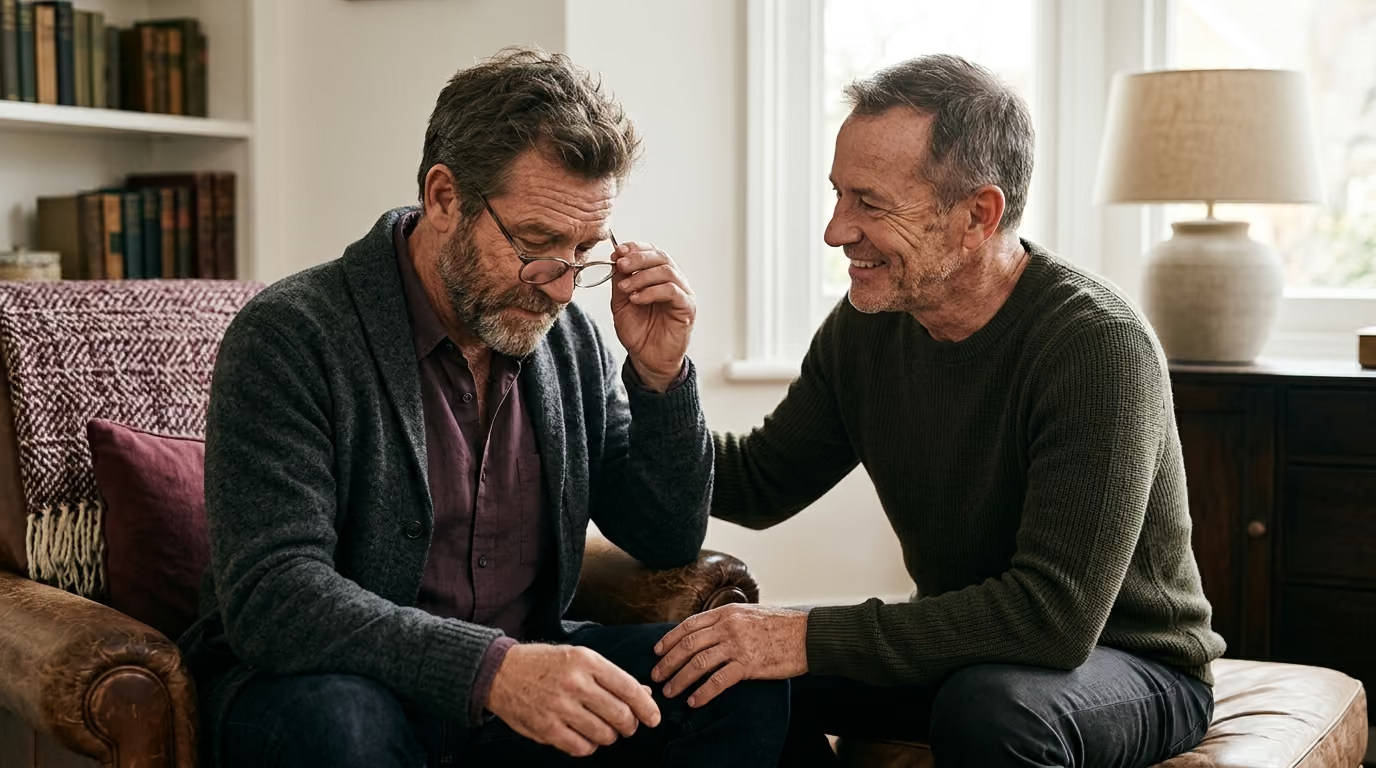

Male sexual dysfunction is widely assumed to be purely mechanical, but underlying mood disorders, chronic stress, and medication side effects fundamentally disrupt sexual response.





If you are in immediate danger, call 911. For 24/7 support, call or text 988 and press 1 for the Veterans Crisis Line, or text 838255.
When an erection falters during a stressful week, the immediate instinct is often to search online for quick fixes. Many men type questions about whether performance anxiety causes erectile dysfunction or why depression drains sexual desire. The search results usually swing between two extremes, claiming the problem is entirely in your head or insisting on an immediate physical breakdown.
The clinical reality is far more integrated. The American Urological Association recognizes that psychological factors like anxiety, depression, and relationship strain interact directly with male physiology. Sexual response involves the nervous system, vascular networks, hormone levels, and emotional state working simultaneously. When psychological distress appears, physical processes shift in response.
This guide delivers a definitive examination of how mental health and male sexual physiology connect. You will learn how stress, mood disorders, trauma, and medications alter arousal, erection, ejaculation, and orgasm. You will also discover how to pursue comprehensive care that addresses emotional health and physical biology together.
The human sexual response does not happen in isolation from mental state. Healthy erectile function requires the parasympathetic nervous system to signal vascular smooth muscle relaxation in the corpora cavernosa. This biological cascade increases arterial blood flow into the penis while compressing venous outflow. Parasympathetic tone flourishes when a person feels safe, relaxed, and present in their body.
Threat perception activates the sympathetic nervous system. The body floods with adrenaline and norepinephrine, shifting blood toward large muscle groups and away from the pelvic organs. From an evolutionary perspective, the brain prioritizes survival over reproduction during moments of danger. Chronic psychological stress or acute panic creates the exact same autonomic response.
Clinical research demonstrates that psychological distress and physical sexual function exist in a bidirectional feedback loop. Physical symptoms like reduced rigidity can trigger severe anticipatory anxiety. That anxiety provokes further sympathetic activation, making subsequent erections even harder to sustain. The sexual difficulty feeds the emotional distress, which then reinforces the sexual difficulty.
Medical guidance has moved past rigid divisions between organic and psychogenic disorders. A man can present with mild vascular changes that become functionally disruptive only when combined with performance worry. Conversely, severe clinical depression can blunt central dopamine pathways, eliminating the neural initiation required for physical arousal. Complete care requires evaluating every contributing biological and psychological factor.
Discussions about male sexual difficulty often focus solely on erections. This narrow focus overlooks several distinct symptom domains recognized in diagnostic systems like the ICD-11. Understanding the exact nature of your symptoms is the first step toward effective intervention.
Erectile dysfunction involves a consistent or recurrent inability to attain or sustain sufficient rigidity for satisfying sexual activity. Diagnostic standards require symptoms to persist for several months and cause personal distress. Occasional fluctuations in firmness caused by fatigue, alcohol, or momentary distraction do not constitute clinical dysfunction. An erection can be lost at initiation, during intercourse, or during specific sexual positions.
Low sexual desire represents a persistent reduction or absence of sexual interest, erotic fantasies, and motivation for intimacy. Desire must be evaluated separately from erectile capability. A man may experience normal physical erections upon stimulation while having little spontaneous desire for partnered sex. Assessment must clarify whether low libido is global, situational, or specific to masturbation versus partnered encounters.
Ejaculation disorders encompass premature ejaculation, delayed ejaculation, absent ejaculation, and painful ejaculation. Premature ejaculation involves persistent ejaculation within roughly one minute of penetration against personal control. Delayed ejaculation occurs when a man experiences excessive latency or cannot ejaculate despite sustained stimulation and desire. These conditions often carry distinct psychological profiles, ranging from high baseline anxiety to emotional detachment during intimacy.
Orgasm and ejaculation are distinct neurological events. A man can experience physical ejaculation with reduced or absent orgasmic pleasure, known as anhedonic ejaculation. Others may experience orgasmic sensations without visible semen output. Genital numbness, altered tactile sensation, and pelvic floor pain can also occur, frequently amplified by muscle guarding associated with stress. Exploring our resources on male vitality and sexual wellbeing offers further context on pelvic sensation.
Different psychiatric conditions alter sexual physiology through distinct chemical, autonomic, and cognitive mechanisms. Identifying how a specific mental health condition operates helps tailor appropriate treatment.
Major depressive disorder alters central neurotransmission, affecting dopamine, serotonin, and norepinephrine pathways responsible for motivation and reward. Anhedonia blunts the psychological anticipation of pleasure, reducing erotic drive at the brain level. Systemic symptoms like psychomotor slowing, disrupted sleep architecture, and chronic fatigue further deplete the physical energy needed for sexual activity. Negative self-evaluation and shame reinforce social withdrawal and sexual avoidance.
Meta-analyses show a strong pooled association between depressive symptoms and erectile dysfunction. Men experiencing depression face an odds ratio of approximately 1.39 for developing erectile challenges. Men presenting with established erectile dysfunction demonstrate roughly double the odds of developing depressive symptoms. This profound link highlights why treating mood is fundamental to restoring sexual vitality.
Anxiety disorders create a hypervigilant cognitive state that directly opposes erotic immersion. During sexual activity, anxious individuals often engage in spectatoring, observing their physical performance from an outside perspective. Thoughts fixate on questions of firmness, partner satisfaction, and fears of sudden failure. This cognitive distraction breaks the sensory feedback loop required to maintain parasympathetic tone.
Research examining anxiety disorders reports wide variations in erectile dysfunction prevalence, with median rates around 20%. The wide range reflects differing diagnostic thresholds and varying degrees of situational panic versus generalized anxiety. In conditions like premature ejaculation, pooled anxiety prevalence reaches approximately 42%, demonstrating how heightened autonomic arousal accelerates ejaculatory reflexes.
Sustained life stress keeps the hypothalamic-pituitary-adrenal axis continuously engaged. Elevated baseline cortisol levels interfere with testosterone production and impair endothelial nitric oxide synthesis. Chronic occupational or financial stress frequently triggers secondary lifestyle changes, including poor diet, reduced exercise, and higher alcohol consumption. These behavioral factors damage vascular health while emotional exhaustion depletes relational intimacy.
Post-traumatic stress disorder can fundamentally disrupt intimate connection and bodily safety. Trauma survivors frequently experience persistent hyperarousal, making physical relaxation challenging. Intrusive memories, dissociation, or emotional numbness may emerge during physical touch, prompting sudden erectile loss or orgasmic inhibition. Pelvic floor muscles may remain in a state of chronic guarding, creating discomfort or pain during intercourse.
Systematic reviews among veterans and civilian trauma survivors show elevated rates of sexual dysfunction across multiple domains. Symptoms range from complete loss of desire to profound orgasmic delay and genital numbness. Care for trauma-related sexual symptoms requires pacing, emotional safety, clear consent, and somatic grounding rather than rushed medical interventions.
Aging is a natural biological process, not a medical failure. After age 35, male vascular compliance gradually shifts, endothelial nitric oxide production slows, and baseline free testosterone levels decline modestly. The refractory period between erections naturally lengthens, and achieving maximum rigidity may require more direct physical stimulation.
These normal midlife physiological changes become problematic when filtered through catastrophic psychological framing. A man who expects his body to function identically to his twenties may view a momentary loss of firmness as a crisis. This panic activates the sympathetic nervous system, turning a minor biological shift into severe performance anxiety. The psychological distress compounds the normal age-related transition.
Metabolic shifts after 35 also influence mood and sexual capability. Changes in insulin sensitivity, blood pressure, and sleep efficiency affect vascular health and daytime energy. Exploring comprehensive healthy aging and longevity strategies helps maintain cellular vitality while preventing unnecessary health worries. When men understand these baseline physical shifts, they can adapt their sexual scripts without experiencing self-doubt.
Many common pharmaceutical treatments directly impact male sexual pathways. It is essential to recognize whether sexual symptoms began before or after starting a specific medication.
Selective serotonin reuptake inhibitors (SSRIs) and serotonin-norepinephrine reuptake inhibitors (SNRIs) are widely prescribed for depression and anxiety. These medications increase central serotonin availability, which can stimulate 5-HT2A and 5-HT2C receptors in the central nervous system. This activation often blunts dopamine release, delaying ejaculation, reducing libido, and impairing orgasmic intensity.
A 2026 meta-analysis demonstrated that SSRI treatment was associated with a more than threefold increase in the relative risk of orgasmic dysfunction. Patients often report requiring intense, exhausting physical effort to reach climax, while some experience complete anorgasmia. It is critical never to discontinue psychiatric medications abruptly. Prescribing clinicians can adjust dosages, modify timing, switch to agents with lower sexual side-effect profiles, or add targeted treatments under supervision.
Several other classes of medication can alter sexual function through distinct biological mechanisms:
When assessing sexual side effects, the primary clinical question is temporal. Did the symptom emerge shortly after beginning the medication or changing the dose? Documenting this timeline gives your healthcare provider actionable clinical data.
Gay men navigate distinct cultural, social, and relational landscapes that shape psychological well-being and sexual function. Structural stigma, minority stress, and historical trauma can create underlying vigilance that affects intimacy. Even in supportive environments, internalized shame can manifest somatically as performance anxiety or emotional detachment.
Gay social and dating environments often place significant emphasis on physical appearance and athletic muscularity. This aesthetic focus can heighten body vigilance, leading men to monitor their physique during intimate encounters. Worrying about body shape, abdominal definition, or perceived youthfulness pulls attention away from physical pleasure. Our discussions regarding confidence and relationship health provide frameworks for managing these external pressures.
Sexual expectations within gay relationships can also create performance pressure. Rigid cultural scripts around top and bottom positions can cause distress when an erection fluctuates. Men who primarily top may experience immense pressure to maintain uninterrupted rigidity, viewing any softening as a personal failure. Men who bottom may encounter stress-related pelvic floor tightness that makes receptive intercourse uncomfortable.
Navigating open relationships, casual encounters, or dating apps introduces additional psychological complexity. Fast-paced hookup settings often demand immediate, unhesitating performance with unfamiliar partners, creating an environment ripe for sympathetic nervous system arousal. Open communication, mutual vulnerability, and expanding sexual practices beyond rigid penetration help reduce these specific stressors.
A comprehensive sexual health evaluation requires a structured, multi-dimensional assessment. Relying on a single blood test or assuming a problem is purely emotional leads to incomplete care.
The evaluation begins by isolating the specific challenge. The patient and clinician must distinguish between low desire, difficulty initiating an erection, premature loss of firmness, delayed ejaculation, or diminished orgasmic sensation. Lumping diverse complaints under a generic label obscures the underlying etiology.
Understanding how the symptom developed provides critical diagnostic clues:
Standardized questionnaires assess depressive symptoms, generalized anxiety, and traumatic stress. Clinicians look for patterns of negative thought loops, emotional numbness, and panic responses. Screening for mood conditions does not imply the symptom is imaginary, but rather identifies psychological factors that require clinical support.
This step explores interpersonal dynamics, desire discrepancies between partners, and communication barriers. Relationship conflict, unspoken resentment, or fear of disappointing a partner can maintain sexual difficulties. Assessing emotional safety and comfort with vulnerability is vital for sustainable recovery.
European Association of Urology guidelines recommend comprehensive metabolic and endocrine laboratory testing. Clinicians typically evaluate fasting glucose, lipid profiles, and morning total testosterone. Reviewing metabolic health and nutrition factors helps uncover subclinical cardiovascular issues before they progress.
Standardized measurement tools help quantify symptom severity and track treatment progress. The International Index of Erectile Function (IIEF) and the Sexual Health Inventory for Men (SHIM) provide validated scoring for erectile capacity. Mental health screening tools like the PHQ-9 for depression and GAD-7 for anxiety establish clear clinical baselines.
Certain presentations require prompt medical or psychiatric intervention. Severe sudden-onset erectile failure accompanied by chest pain or shortness of breath demands immediate cardiovascular assessment. Severe penile curvature, sharp genital pain, testicular masses, or sudden neurological deficits require urgent urological care. Severe depression or thoughts of self-harm necessitate immediate mental health support.
Real-world sexual difficulties rarely present as neat textbook examples. Examining representative case formulations illustrates how integrated assessment and care operate in clinical practice.
A 38-year-old man experiences an isolated episode of erection loss after a grueling work week and moderate alcohol intake. Distressed by the event, he enters subsequent encounters hyper-focused on his physical rigidity. He continuously asks his partner if everything feels acceptable, constantly checking his firmness. Morning erections remain firm and masturbation is unimpaired.
Likely Formulation: Learned performance anxiety reinforced by cognitive spectatoring and sympathetic nervous system overdrive.
Integrated Response: Psychoeducation regarding normal physiological fluctuations, cognitive behavioral therapy to target catastrophic thinking, sensate focus exercises to reduce performance goals, and temporary use of a low-dose PDE5 inhibitor to restore psychological confidence.
A 44-year-old man reports a total absence of sexual desire lasting six months. He rarely masturbates, experiences no erotic fantasies, and feels severe emotional fatigue. He has withdrawn socially, sleeps poorly, and describes feeling disconnected from physical pleasure. Physical examination and morning testosterone levels return within normal reference ranges.
Likely Formulation: Hypoactive sexual desire secondary to depressive anhedonia and systemic neurochemical depletion.
Integrated Response: Prioritizing evidence-based depression treatment through psychotherapy and appropriate psychiatric management. The clinical team avoids pressuring sexual performance, focusing instead on mood stabilization, sleep restoration, and emotional well-being.
A 52-year-old man with type 2 diabetes notices a gradual decrease in erection firmness over two years. After experiencing several instances where intercourse was impossible, he develops intense anticipatory dread before intimacy. He begins avoiding all physical affection with his partner to prevent sexual expectations.
Likely Formulation: Mixed organic and psychological erectile dysfunction, where mild vascular changes are amplified by secondary performance anxiety and behavioral avoidance.
Integrated Response: Optimizing glycemic control, lipid profiles, and cardiovascular conditioning alongside regular PDE5 inhibitor therapy. Concurrently, couples-based communication therapy helps the partners re-establish non-demanding physical touch and reduce anticipatory fear.
Sustainable resolution of sexual difficulties requires coordinating psychological, pharmacological, and lifestyle interventions. Combining modalities consistently produces superior outcomes compared to isolated treatments.
Evidence-based psychotherapy targets the cognitive and relational patterns that maintain sexual dysfunction:
Medical treatments provide biological support while psychological interventions address underlying anxiety:
Daily habits create the biological foundation for both mental health and sexual vitality:
While research clearly demonstrates the link between mental health and sexual function, several limitations in the scientific literature warrant careful consideration.
Prevalence figures for sexual dysfunction in mood and anxiety disorders vary substantially across published trials. Studies evaluating erectile dysfunction in anxiety report rates ranging from 0% to 85%, depending on the clinical setting, patient age, and diagnostic criteria used. Meta-analyses frequently encounter high statistical heterogeneity, meaning findings from one population cannot predict individual outcomes with certainty.
Most available research on stress, depression, and sexual response relies on observational and cross-sectional designs. These studies confirm significant statistical associations, but they cannot prove direct causation in every case. A documented correlation between low mood and erectile difficulty does not explain whether depression caused the sexual symptom, the sexual problem triggered the depression, or an underlying vascular issue caused both simultaneously.
Commercial marketing in the male vitality space frequently exaggerates scientific findings. Over-the-counter supplements claiming to eliminate performance anxiety or restore testosterone lack rigorous clinical trial validation. Readers should approach sweeping claims with skepticism, relying on established clinical guidelines and licensed medical professionals for individualized care.
Taking proactive steps to address sexual and psychological health creates immediate momentum. Here is a clear checklist to implement this week:
The relationship between mental health and sexual function is a physical and emotional feedback loop, not an imaginary flaw. Addressing emotional well-being, nervous system arousal, and vascular health together provides the most reliable path to lasting vitality, confidence, and fulfilling intimacy.
Stay connected for research-led guidance on fitness, body composition, skin, grooming, vitality, sexual wellbeing, relationships and healthy aging. Clear ideas for gay men 35+ who want to look good, feel strong and age with confidence.


Build habits and systems that support clear thinking, steady energy and long term capacity throughout a demanding career.
explore the Blog