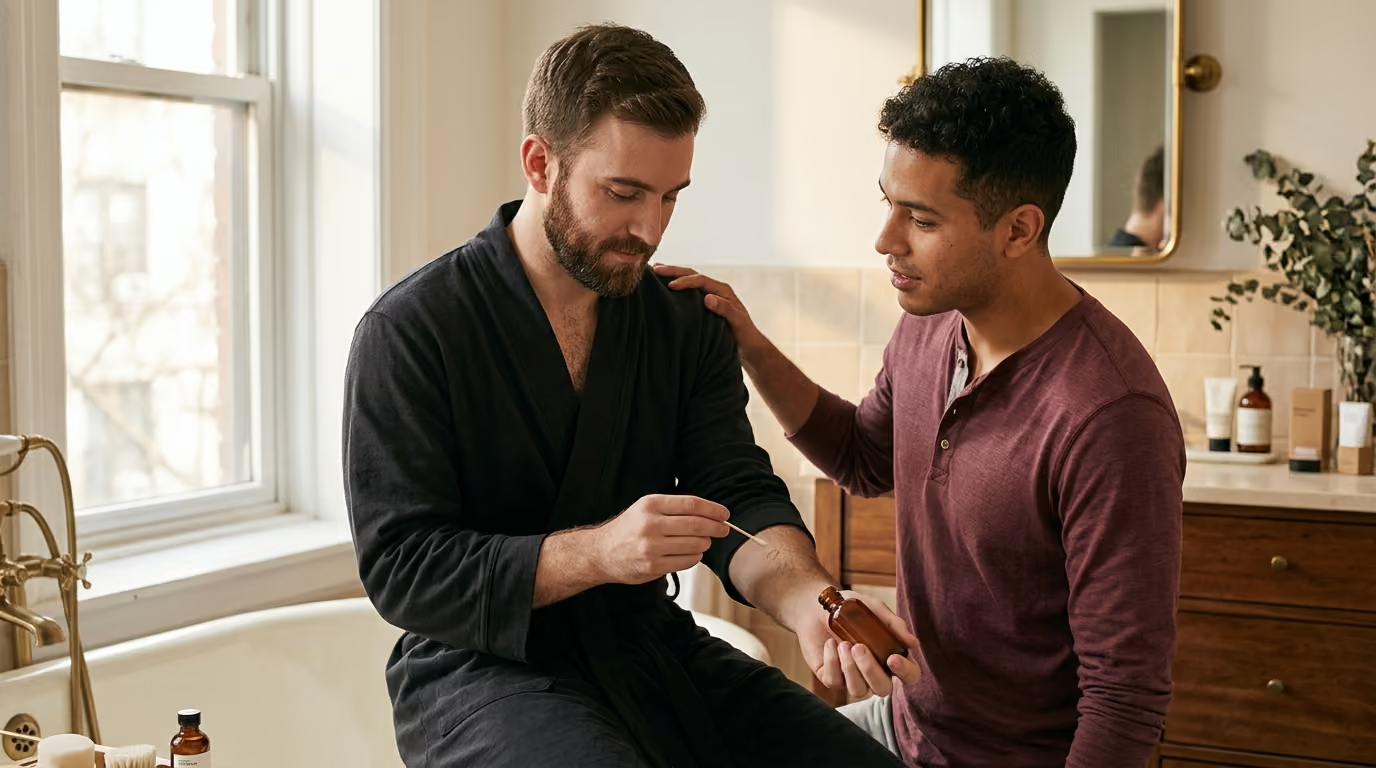

Harsh soaps actually compromise male intimate skin instead of cleaning it, requiring mild barrier-supporting routines to manage shaving irritation, moisture, and chronic inflammation.





Men search online constantly for answers about groin redness, burning after washing, persistent itching, razor bumps, or unusual odour. Many assume these issues stem from poor hygiene and respond by scrubbing harder, buying fragranced washes, or applying harsh antiseptics. That instinct makes the problem worse. This guide delivers a definitive, evidence-based manual for intimate male skin care, separating normal biological processes from symptoms that require medical diagnosis.
Caring for intimate tissue requires a completely different approach than washing the chest or back. The skin of the penis, scrotum, perineum, groin folds, and perianal region is thin, permeable, and sensitive to friction. When irritants compromise this delicate barrier, the result is often contact dermatitis, fungal overgrowth, or follicular inflammation.
Understanding how to care for these areas without causing damage protects comfort, appearance, and sexual wellbeing. Grounding your grooming routine in dermatology research prevents painful cycles of irritation. You can explore broader aesthetic strategies across our skin and grooming resource library to build a balanced, head-to-toe regimen.
Clinical dermatology establishes a strict distinction between external cleansing and internal sanitisation. Routine hygiene requires only the removal of sweat, sebum, shed epithelial cells, urine residue, lubricant, and semen. It does not require decontamination, chemical sterilization, or aggressive cosmetic masking.
The penis and scrotum have higher baseline permeability and absorption rates than other skin sites. Applying harsh surfactants disrupts the stratum corneum, the outermost protective skin layer. When this barrier breaks down, water escapes rapidly, and external irritants penetrate deep into the dermal tissue. Medical literature identifies irritant contact dermatitis from soap and vigorous washing as the leading driver of non-specific penile inflammation.
Gentle washing with lukewarm water is sufficient for daily maintenance. The hands provide enough mechanical action to clean skin folds and genital tissue safely. Rough washcloths, loofahs, exfoliating mitts, and scrub brushes create microscopic abrasions in sensitive tissue. These micro-tears provoke inflammatory responses and create entry points for opportunistic microbes.
When skin requires a cleansing agent beyond water, soap substitutes offer a safe solution. Conventional bar soaps and shower gels strip natural lipids with harsh alkaline formulas. Aqueous creams, fragrance-free cleansing lotions, or lipid-replenishing emollients clean the area while maintaining the skin barrier. Health services widely recommend replacing regular soap with bland emollients when irritation develops.
Drying technique matters just as much as washing. Vigorous towel friction shears fragile skin cells and increases inflammation. Patting the skin dry with a clean, soft towel removes surface water without mechanical trauma. Allowing the skin to air-dry for two minutes before dressing prevents trapped dampness in the groin folds.
Special attention applies to uncircumcised anatomy. The foreskin should be retracted gently, cleaned with lukewarm water, and dried thoroughly before returning to its normal position. Forcing a tight foreskin causes tears, bleeding, and subsequent scarring. Retracting the tissue only as far as it moves comfortably preserves structural health.
Skin physiology changes steadily across adulthood. After age 35, the epidermis experiences a gradual decline in sebum production, natural moisturizing factors, and ceramides. These structural shifts reduce hydration and slow down cellular turnover. Skin that tolerated aggressive soaps in early adulthood can suddenly react with chronic dryness, itching, and redness.
Microvascular circulation in the dermis diminishes with age. Slower blood flow prolongs the resolution of minor inflammation, shaving cuts, and friction burns. An ingrown hair or chafe mark that healed in two days during your twenties may linger for weeks after 35. This extended healing window increases the chance of post-inflammatory hyperpigmentation.
Collagen loss alters the elasticity and resilience of scrotal, perineal, and perianal tissue. Thinning skin tears more easily under mechanical friction from cycling, running, or tight clothing. Men managing body composition shifts or prostate changes may also encounter minor urinary dribbling. Lingering drops of urine alter skin surface pH and trigger irritant dermatitis in older men.
Metabolic health also intersects directly with skin barrier integrity. Insulin resistance and elevated blood glucose alter skin secretions and weaken local immune defenses. These metabolic changes make men over 35 more prone to cutaneous candidiasis in the groin folds. Prioritizing systemic metabolic health alongside targeted grooming preserves tissue comfort. Readers can review metabolic strategies in our guide to men's health and vitality after 35.
Hormonal fluctuations after 35 can alter hair density, texture, and growth cycles. Coarser pubic hair combined with thinner epidermal layers raises the frequency of pseudofolliculitis. Maintaining skin hydration with lipid-rich emollients restores suppleness, helping hairs emerge cleanly without curling back into the tissue.
Genital rashes share overlapping physical features. Redness, flaking, small bumps, and itching can stem from mechanical friction, allergic reactions, fungal overgrowth, or underlying dermatological disease. Establishing the correct cause prevents dangerous delays in medical care.
Irritant contact dermatitis happens when physical or chemical damage strips the skin barrier directly. Triggers include body washes, laundry residues, friction, sweat, and urine. The condition presents as burning, tightness, and diffuse redness without deep scaling.
Allergic contact dermatitis is an immune-mediated hypersensitivity to a specific chemical allergen. Common triggers include topical fragrances, preservatives like methylisothiazolinone, latex, and botanical extracts. It creates intense itching, localized swelling, and tiny fluid-filled vesicles. Removing the culprit product is the foundational step in managing both conditions.
The American Academy of Dermatology highlights that products labeled as "unscented" can still contain masking fragrances. Men with reactive skin must look specifically for "fragrance-free" formulations. Masking fragrances neutralize chemical odors without imparting a noticeable scent, yet they trigger identical allergic reactions in sensitive tissue.
Balanitis refers to inflammation of the glans penis, while balanoposthitis involves the foreskin as well. Causes include chemical irritants, fungal organisms, bacterial proliferation, and chronic moisture. Symptoms include soreness, surface shininess, red spotting, itching, and tight skin around the glans.
Fungal balanitis, most often caused by Candida albicans, presents with intense itching, small white curdy patches, and pinpoint red spots. It frequently arises after broad-spectrum antibiotic use, in men with elevated blood sugar, or following intercourse with an affected partner. Dermatological clinics confirm that over-washing with standard soap regularly masquerades as fungal balanitis by perpetuating chronic irritation.
Underlying chronic skin conditions also manifest on the genitals. Genital psoriasis presents as smooth, well-demarcated red plaques on the glans or shaft without the thick silver scaling seen on elbows. Lichen sclerosus presents as ivory-white patches, skin thinning, and progressive architectural changes around the foreskin. Neither condition responds to cosmetic grooming, and both require prescription dermatological treatment.
Pubic hair grooming is widespread, but aggressive hair removal remains the top cause of intimate folliculitis and scarring. Shaving cuts hairs below or flush with the skin surface, creating sharp edges that pierce surrounding follicle walls.
Pseudofolliculitis occurs when tightly curled hair curves backward into the skin as it grows. The body treats this embedded hair shaft as a foreign object, creating an inflammatory papule. True folliculitis, by contrast, is an infection or primary inflammation of the hair follicle itself, producing tender red bumps centered on hair shafts.
Picking, squeezing, or digging out trapped hairs with tweezers causes skin trauma, deep bacterial inoculation, and scarring. Clinical research indicates that completely stopping close shaving resolves pseudofolliculitis within twelve weeks. For men who want hair reduction without irritation, electric body hair trimmers offer the safest alternative. Trimmers cut hair 1 to 2 millimeters above the skin surface, preventing hairs from retracting beneath the epidermal layer.
Men who choose wet shaving must adopt strict harm-reduction measures to protect vulnerable skin. Multi-blade cartridge razors use hysteresis technology, where the first blade pulls the hair up and subsequent blades cut it beneath skin level. This design guarantees ingrown hairs for curly-haired men. Using a fresh single-blade razor significantly reduces this hazard.
Follow this step-by-step wet-shaving routine:
Avoid chemical depilatory creams on the scrotum, penis, and perianal skin. The alkaline chemicals that dissolve hair proteins break down delicate skin barriers just as easily, causing painful chemical burns. Men interested in advanced skin resilience strategies can explore our aesthetic longevity and grooming resources.
The groin provides an ideal environment for moisture accumulation. Skin folds, elevated temperatures, natural sweat production, and physical friction combine to weaken the epidermal barrier. Left unmanaged, this environment produces intertrigo, a common inflammatory condition affecting opposing skin surfaces.
Intertrigo begins as mild redness and chafing where the inner thighs touch the scrotum. Without intervention, constant friction and trapped moisture cause skin maceration, where the tissue turns white, soft, and fragile. Macerated skin cracks easily, causing burning pain during movement and opening pathways for fungal or bacterial infections.
Controlling groin moisture requires strategic wardrobe and lifestyle choices. Pure cotton absorbs moisture but holds it directly against the skin, maintaining a damp microclimate during exercise. Technical moisture-wicking synthetics or breathable bamboo-blend fabrics pull sweat away from the body, keeping skin surfaces dry. Fitted boxer briefs that cover the upper inner thighs protect skin folds from rubbing together during walking or workouts.
Athletes and runners benefit from applying a thin layer of pure dimethicone or medical-grade barrier balm before endurance training. These silicone barriers reduce shear forces between skin surfaces without clogging pores or trapping heat. Talcum powder should be avoided, and cornstarch powders must be used cautiously, as wet cornstarch can encourage fungal growth in warm skin folds.
Showering immediately after heavy workouts removes accumulated sweat salts, which cause stinging and irritation when left on the skin. If an immediate shower is impossible, change out of damp athletic shorts and underwear into clean, dry clothing. Never sit in damp gym gear or wet swimwear after training.
Genital odour creates unwarranted anxiety for many men. Normal biological scent is healthy and does not indicate poor hygiene or disease. The groin contains a high concentration of apocrine glands, which secrete an odorless, protein-rich fluid. Natural skin bacteria break down these proteins, creating normal baseline male scent.
Sweat, microscopic urine droplets, sebum, and normal skin flora interact continually. This baseline scent varies based on hydration, diet, stress levels, and physical exertion. Attempting to eliminate all biological scent through aggressive washing damages tissue and produces rebound odour by disrupting protective microflora.
Cosmetic body sprays, scented intimate washes, genital deodorants, and cologne applied to the groin cause severe contact allergies. These products contain alcohol, synthetic fragrances, and harsh preservatives that trigger dermatitis on thin scrotal and penile tissue. Normal hygiene requires only washing away accumulated sweat, shed cells, and external residues with lukewarm water.
When groin odour changes abruptly or turns persistently foul, it signals a biological issue rather than a washing deficiency. Anaerobic bacterial overgrowth, severe candidal intertrigo, subpreputial infections, or open tissue lesions produce noticeable malodour. In uncircumcised men, accumulating smegma under a neglected foreskin can harbor bacteria, but gentle daily washing resolves it.
If a strong, foul odour persists despite regular gentle washing, schedule a medical evaluation. Never attempt to scrub away foul odour with antibacterial soaps or body washes. That approach worsens underlying inflammation while delaying proper diagnosis and treatment.
Sexual activity places mechanical and biological demands on intimate skin. Friction during intercourse, contact with bodily fluids, and exposure to lubricants can provoke acute irritation or unmask underlying sensitivities.
Water-based and silicone-based lubricants are essential for reducing friction during sex, yet certain ingredients provoke severe contact dermatitis. Hyperosmolar water-based lubricants draw water out of delicate skin cells, causing cellular damage and burning. Glycerin can fuel candidal overgrowth in susceptible individuals, while propylene glycol and parabens trigger contact allergies.
Choose isotonic, fragrance-free lubricants formulated without unnecessary additives. If redness, swelling, or burning develops after condom use, consider a latex allergy. Switching to non-latex polyisoprene or polyurethane condoms often resolves these symptoms. Review comprehensive sexual wellness guidance within our male vitality and sexual health library to build safer intimacy practices.
After sex, wash external anatomy gently with lukewarm water to remove dried fluids, lubricants, and sweat. Urinating shortly after sex flushes the urethral canal, clearing accidental bacterial introduction. Avoid vigorous scrubbing, hot water, or scented cleansers, as newly frictioned skin is highly permeable and reactive.
Sexually active gay and bisexual men should maintain routine sexual health screening. The CDC recommends comprehensive testing every three to six months for sexually active men with multiple partners, including site-specific swabs for throat and rectum alongside blood and urine tests.
Never assume a new sore, ulcer, blister, or spot is simply a shaving bump or friction rub. Syphilis chancres often present as single, painless, clean-based ulcers that heal on their own while the infection advances systemically. Herpes simplex presents as clustered, painful vesicles on an erythematous base that break into shallow ulcers. Visual inspection alone cannot accurately diagnose genital lesions; definitive clinical testing is always necessary.
Douching or internal rectal washing before sex requires care. Aggressive enemas, high water volumes, and harsh solutions strip the rectal mucus barrier, causing tissue irritation and increasing STI transmission risks. If douching, use small amounts of lukewarm tap water without added soaps or chemicals, and allow time for the tissue to rest.
Darkened skin in the groin, inner thighs, and pubic area is one of the most common cosmetic concerns men raise. This discoloration is almost always post-inflammatory hyperpigmentation, not trapped dirt or inadequate washing.
When skin undergoes inflammation from razor burn, ingrown hairs, chemical dermatitis, or chronic chafing, melanocytes overproduce melanin. This pigment deposits into surrounding skin cells as the tissue heals. Men with deeper skin tones have more reactive melanocytes, making post-inflammatory hyperpigmentation more pronounced.
The biggest mistake men make is trying to scrub away dark marks with abrasive cloths, chemical peels, or harsh acids. Scrubbing inflicts fresh mechanical trauma, triggering another wave of inflammation and deepening the pigmentation. Resolving hyperpigmentation requires ending the cycle of irritation that caused it.
Gentle, persistent care allows hyperpigmentation to fade over several months. Stop close shaving, switch to electric trimmers, wear friction-reducing underwear, and moisturize daily with a bland, fragrance-free lotion. Over-the-counter bleaching creams marketed for intimate areas often contain high concentrations of hydroquinone, kojic acid, or steroids, which can cause severe chemical burns and permanent tissue damage on thin genital skin.
While most pigment changes in the groin are benign, new or shifting pigmentation on the glans, foreskin, or penile shaft demands careful medical attention. Penile cancer is rare, but early symptoms can mimic common inflammatory or pigmentary conditions.
Warning signs that require immediate urological evaluation include:
Never dismiss a new penile lesion as harmless simply because it does not hurt. Penile malignancies are often completely painless in their early stages. You can learn more about general skin monitoring across our healthy aging and longevity articles.
A well-designed grooming routine protects healthy skin and calms minor, transient irritation. It cannot, however, cure structural abnormalities, autoimmune conditions, or established microbial infections. Recognizing the boundaries of home care protects your long-term health.
Home self-care is reasonable for mild, uncomplicated razor burn, minor friction redness after running, or transient dryness from dry weather. These issues should improve visibly within three to five days once you remove irritants and apply bland emollients.
If symptoms fail to improve after one week of gentle care, stop self-treatment and see a doctor. Continuing to switch between over-the-counter hydrocortisone creams, antifungal ointments, and antibacterial washes confuses the clinical picture, masks diagnostic clues, and triggers allergic contact dermatitis.
Schedule an appointment with a primary care physician, dermatologist, or sexual health clinic for:
Certain clinical presentations require emergency evaluation. Seek urgent care immediately if you experience:
Building an evidence-based intimate skin care routine requires stripping away unnecessary products and focusing on barrier protection. Use this checklist to audit your routine this week:
Healthy intimate grooming is fundamentally simple, gentle, and low-intervention. When you stop scrubbing, eliminate harsh chemicals, and manage moisture sensibly, your skin barrier repairs itself, maintaining long-term comfort, resilience, and confidence.
Stay connected for research-led guidance on fitness, body composition, skin, grooming, vitality, sexual wellbeing, relationships and healthy aging. Clear ideas for gay men 35+ who want to look good, feel strong and age with confidence.


Build habits and systems that support clear thinking, steady energy and long term capacity throughout a demanding career.
explore the Blog