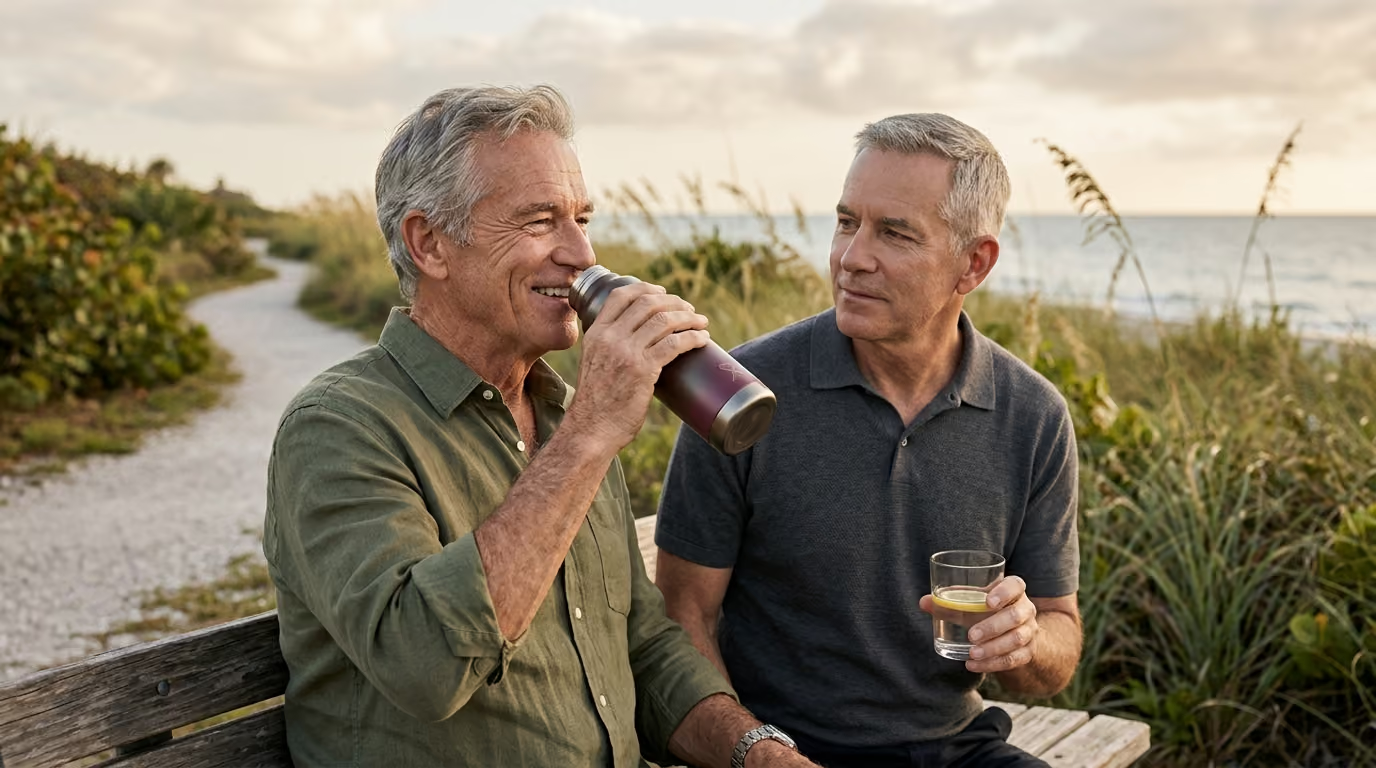

Proper fluid balance and electrolyte management support long-term vitality, cognitive health, and exercise performance as physiological hydration needs shift with age.





Hydration is the physiological regulation of total body water, cellular fluid volume, and mineral balance. It is not an endurance contest to consume gallons of water each day, nor is it a requirement to add packaged powders to every glass you drink. Proper fluid balance supports cardiovascular efficiency, joint health, cognitive processing speed, and metabolic performance.
This guide examines what the scientific literature reveals about fluid regulation as men age. It outlines the mechanics of cellular hydration, evaluates when electrolyte supplementation is genuinely useful, and provides practical frameworks for training, travel, heat, and active social environments.
Total body water accounts for roughly 60 percent of body weight in younger adult men. This proportion decreases over time. By age 60, total body water frequently drops toward 50 percent. This shift happens primarily because lean muscle mass naturally declines with age, while adipose tissue contains substantially less water.
Clinical research evaluates hydration status across three distinct states. Euhydration refers to an optimal, physiologically balanced level of body water. Hypohydration describes a water deficit below baseline needs. Hyperhydration refers to an excess of fluid beyond what the kidneys and cardiovascular system require.
Maintaining euhydration becomes more nuanced as the decades pass. Research shows that total body water percentages correlate directly with cognitive performance in older adults. Studies examining cognitive processing speed found that euhydrated individuals perform significantly better on tasks such as digit-symbol substitution and Trail Making Test A compared to individuals who are hypohydrated or hyperhydrated. Another study published in 2025 demonstrated that higher total body water percentages correlate with superior verbal learning and memory retention after short and long delays.
These associations do not suggest that drinking more water cures cognitive decline. They indicate that both significant dehydration and aggressive overdrinking disrupt neurological efficiency.
The kidneys also undergo subtle structural shifts over time. The glomerular filtration rate gradually declines, and the renal tubules lose some of their capacity to concentrate urine during periods of water restriction. Older kidneys take longer to conserve sodium during periods of low intake and take longer to clear excess water loads. The physiological thirst mechanism also becomes less sensitive, meaning thirst may not register until a meaningful fluid deficit has already developed.
The National Academies of Sciences, Engineering, and Medicine set adequate intake guidelines for total water consumption. For adult men over 19, the standard reference baseline is roughly 3.7 liters per day.
This 3.7-liter reference is a population-level average rather than a rigid individual quota. It includes all fluids consumed from drinking water, other beverages, and solid food. Roughly 20 to 30 percent of daily water intake typically comes from the foods you eat. Whole fruits, vegetables, cooked grains, and lean proteins provide substantial moisture that contributes directly to daily fluid volume.
Fluid requirements fluctuate based on specific environmental and metabolic variables:
Forcing fluids to hit an arbitrary number can place unnecessary strain on the cardiovascular and renal systems. A practical approach pairs regular baseline fluid intake with physiological monitoring. Observing urine color across the day offers a dependable indicator. A pale straw or light yellow tone suggests adequate fluid intake. Very dark amber urine suggests hypohydration, while completely clear urine across consecutive days may indicate unnecessary overconsumption.
Building an intelligent fluid schedule is a fundamental component of longevity and healthy aging. It stabilizes daily energy and reduces strain on vital filtration organs.
Electrolytes are essential minerals that carry an electric charge when dissolved in body water. They control osmotic pressure, regulate nerve impulses, direct muscle contractions, and maintain blood pH. The primary electrolytes involved in human fluid balance include sodium, potassium, chloride, magnesium, and calcium.
Sodium and chloride are the principal minerals found in the extracellular fluid and in human sweat. Potassium and magnesium reside primarily inside the cells. When you sweat, you lose primarily water, sodium, and chloride, along with modest quantities of potassium and magnesium.
The concentration of sodium in sweat varies widely from person to person. It ranges from 20 to over 80 millimoles per liter. Highly conditioned athletes who train frequently in hot environments develop adaptations that allow their sweat glands to conserve sodium more effectively. Men who exercise sporadically in high temperatures lose higher concentrations of salt in their sweat.
Commercial marketing often claims that everyone needs daily electrolyte powders to maintain vitality. This is rarely supported by sports medicine data. For routine daily life, a balanced whole-food diet provides more than enough minerals to offset typical losses. Foods such as leafy greens, potatoes, beans, poultry, and lightly salted meals easily replace the minerals lost during moderate daily physical activity.
Electrolyte products become valuable tools only when specific physiological thresholds are crossed. Prolonged sweating, sustained heat exposure, or gastrointestinal illness deplete minerals faster than regular meals can replace them. Understanding your unique dietary patterns through structured nutrition and metabolism habits helps you determine when supplemental minerals are genuinely justified.
Exercise increases metabolic heat production. The body dissipates this heat primarily through the evaporation of sweat from the skin. If fluid losses exceed 2 percent of total body weight, aerobic performance, thermal regulation, and perceived exertion begin to degrade.
For resistance training or cardiovascular workouts lasting under 60 minutes in a temperature-controlled indoor facility, plain water is entirely sufficient. Pre-workout hydration, regular sips during rest intervals, and a balanced post-workout meal provide complete recovery.
For intense sessions exceeding 90 minutes, or high-intensity conditioning performed in high heat, fluid strategy requires closer precision. The Centers for Disease Control and Prevention and the National Institute for Occupational Safety and Health recommend drinking small volumes regularly during exertion. A common guideline for heavy labor or intense training in heat is roughly one cup of fluid every 15 to 20 minutes.
Fluid intake during heat exposure should never exceed 48 ounces, or 1.5 quarts, per hour. Drinking beyond this rate overwhelms the stomach's emptying capacity and increases the risk of dilutional hyponatremia.
When training hard for muscle retention, integrating sensible hydration protocols into your strength and body composition plan ensures that workout volume remains high without causing early muscular fatigue or cramping.
Environmental stressors and active social lifestyles alter baseline hydration demands. For gay men over 35, weekend getaways, outdoor summer festivals, fitness retreats, and energetic nightlife venues present distinct physiological challenges that require proactive preparation.
High temperatures pull blood toward the skin surface to facilitate cooling. This process reduces central blood volume, forcing the heart to beat faster to maintain blood pressure and cardiac output. Older adults have a blunted cutaneous vasodilation response compared to younger men. This makes them more susceptible to rapid thermal strain. During hot weather, you should begin drinking fluids before stepping outdoors rather than waiting for extreme thirst to register.
Air travel also introduces subtle fluid shifts. Cabin air typically maintains relative humidity levels below 20 percent. This dry environment increases insensible water loss through respiration and the skin surface. While airplane travel does not cause severe clinical dehydration on its own, it frequently disrupts normal eating and drinking routines. Carrying a refillable water bottle and drinking moderate amounts of water throughout a long flight helps maintain normal baseline hydration.
Social settings involving alcohol require clear boundaries. Alcohol inhibits the pituitary release of vasopressin, an antidiuretic hormone that signals the kidneys to reabsorb water. When vasopressin levels drop, the kidneys excrete higher volumes of dilute urine, accelerating net water loss.
When enjoying social evenings or weekend events:
Active social engagement is central to long-term vitality. Applying structured, sensible health principles across community settings allows you to stay energized and fully present. Discover how GayFitLab provides evidence-led resources tailored specifically for gay men navigating fitness, social life, and longevity after 35.
Not all fluid replacement products serve the same physiological function. It is important to separate standard commercial sports drinks from clinical Oral Rehydration Solutions.
Sports drinks are engineered primarily for sustained muscular effort. They combine water with simple carbohydrates and modest quantities of sodium and potassium. The carbohydrate content supplies working muscles with rapid energy, while the mild sodium improves fluid retention and palatability. These beverages are useful during extended athletic events, but their added sugars make them unnecessary for desk work, light walks, or brief gym workouts.
Oral Rehydration Solution is a medical formulation developed by the World Health Organization. It uses the sodium-glucose cotransport mechanism in the small intestine. When glucose and sodium are ingested together in a precise molar ratio, specialized carrier proteins pull both molecules across the intestinal wall into the bloodstream, carrying water along with them through osmotic pull.
WHO-standard reduced-osmolarity ORS packets are the gold standard for treating dehydration resulting from acute diarrhea, food poisoning, or gastrointestinal illness. If you experience illness during travel:
For everyday use, popular low-sugar electrolyte packets can provide convenience when training in severe heat or hiking for extended hours. However, they should be viewed as convenient tools for specific high-loss conditions rather than mandatory daily health tonics.
More water is not inherently better for human physiology. Excessive fluid consumption that exceeds the kidneys' excretion capacity leads to a dangerous clinical condition known as exercise-associated hyponatremia or dilutional hyponatremia.
When blood sodium concentrations drop below 135 millimoles per liter due to overdrinking, water rushes out of the bloodstream and into tissue cells. This causes cellular swelling. In the brain, which is confined by the rigid skull, this swelling produces increased intracranial pressure.
Early symptoms of hyponatremia include:
As hyponatremia progresses, severe neurological symptoms can develop, including confusion, disorientation, agitation, seizures, and loss of consciousness. Dilutional hyponatremia is a genuine medical emergency requiring immediate clinical intervention.
Men managing specific chronic health conditions must be especially cautious with fluid volumes. Individuals taking loop or thiazide diuretics for blood pressure, or those diagnosed with heart failure, chronic kidney disease, or liver impairment, have altered fluid-handling capabilities. The Centers for Disease Control and Prevention explicitly advises anyone taking water pills or following clinician-directed fluid restrictions to obtain individualized guidance on safe daily drinking volumes during hot weather.
Translating hydration science into daily practice requires matching fluid intake to specific physical environments, exertion levels, and metabolic demands.
A 48-year-old man completes a 50-minute resistance training workout inside a climate-controlled gym. He sweats moderately during heavy compound lifts, eats a normal post-workout meal, and feels energetic.
A 54-year-old man embarks on a four-hour outdoor bicycle ride in 85-degree Fahrenheit temperatures with high humidity. He experiences heavy, continuous sweating for several hours and has limited access to sit-down meals during the ride.
A 42-year-old man attends an outdoor afternoon pride event followed by an indoor dance venue. The weather is warm, he consumes two alcoholic beverages over the evening, and he dances for several hours.
A 62-year-old man develops acute travelers' diarrhea while vacationing in a tropical location. He experiences frequent watery stools, mild abdominal cramping, and reduced appetite over a 24-hour period.
While the core mechanics of human fluid regulation are well understood, several popular consumer hydration claims rest on limited or inconclusive research.
Commercial wellness marketing heavily promotes rapid cellular hydration claims for specialized water products, including alkaline water, hydrogen-infused water, and structured water. Current peer-reviewed literature provides no credible evidence that these expensive modified waters offer superior physiological hydration, longevity benefits, or enhanced athletic recovery compared to ordinary clean drinking water.
Similarly, evidence regarding the widespread use of high-dose daily electrolyte packets in non-exercising, healthy adults is lacking. Most clinical research on electrolyte replacement focuses on extreme occupational heat stress, high-performance endurance athletics, or severe medical illness. Applying these athletic protocols to sedentary individuals consuming typical Western diets rich in sodium can result in unnecessary mineral loads and excess financial cost.
The relationship between mild, routine fluctuations in daily hydration and long-term age-related cognitive changes also remains observational. While laboratory studies confirm that acute dehydration transiently impairs processing speed and working memory, large-scale randomized controlled trials demonstrating that specific daily fluid targets prevent chronic neurodegenerative conditions have not been conducted.
Maintaining fluid balance is a foundational daily health practice. It should be guided by objective physical demands, environmental realities, and normal biological signals rather than commercial marketing trends.
Adding lemon juice or a pinch of pink Himalayan salt to morning water does not provide unique metabolic or anti-aging mechanisms. Morning hydration simply restores the mild fluid deficit that develops naturally during overnight sleep. A standard glass of plain tap or filtered water achieves the exact same physiological rehydration.
Moderate caffeine intake from coffee or tea does not cause net dehydration in habitual caffeine consumers. While caffeine has a mild, temporary diuretic effect in individuals who rarely consume it, regular coffee and tea drinkers develop physiological tolerance. The water volume provided in a standard cup of coffee or tea far outweighs the mild diuretic effect, contributing positively to total daily fluid intake.
For brief sauna sessions lasting 15 to 20 minutes, plain water consumed before and after the session is entirely sufficient. If you use saunas for extended periods or combine heat sessions with vigorous exercise, sweat losses increase substantially. In those specific multi-session scenarios, pairing water with a lightly salted snack or a balanced electrolyte beverage helps restore extracellular sodium and plasma volume safely.
Urine color across consecutive bathroom visits remains the most practical everyday indicator of fluid balance. Consistently dark, concentrated urine signals that fluid intake should be increased, while completely clear, watery urine over several days suggests you can safely moderate fluid volume. Rapid daily body weight fluctuations immediately before and after intense physical exertion also provide clear data on acute sweat loss that requires replacement.
For most healthy adults, plain water paired with regular, nutrient-dense meals provides all the fluids and electrolytes needed for vitality, clear cognition, and long-term health. Commercial electrolyte powders and oral rehydration formulas are specialized tools designed for prolonged sweating, high environmental heat, extended endurance exercise, or acute illness rather than mandatory daily rituals.
Stay connected for research-led guidance on fitness, body composition, skin, grooming, vitality, sexual wellbeing, relationships and healthy aging. Clear ideas for gay men 35+ who want to look good, feel strong and age with confidence.


Build habits and systems that support clear thinking, steady energy and long term capacity throughout a demanding career.
explore the Blog