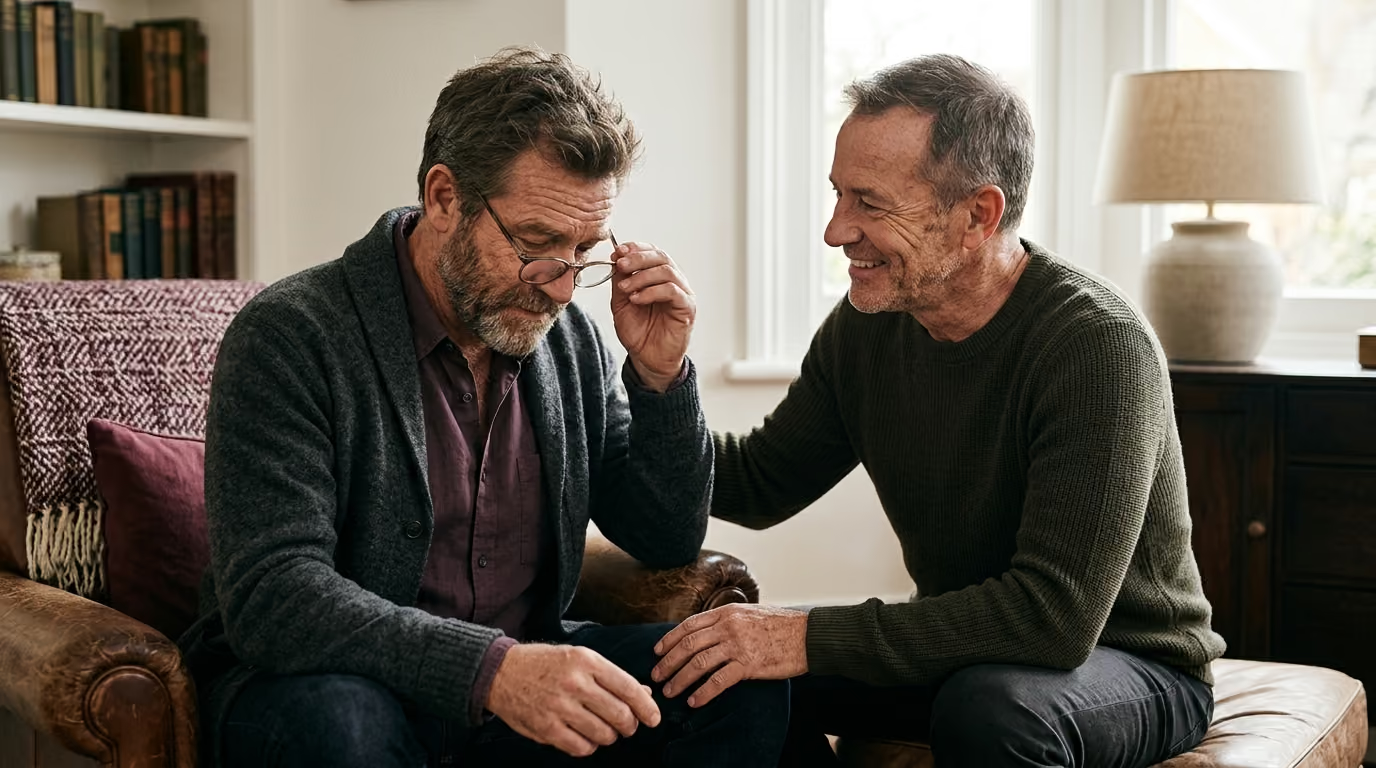

Male sexual wellbeing often seems incompatible with chronic pain, but strategic energy pacing, ergonomic positioning, and clinical adaptations sustain fulfilling intimacy.





You type a question into a search bar late at night: "Why does chronic pain kill male sexual desire?" You want to know if ongoing back pain, joint inflammation, gut disorders, or prescription medications have permanently altered your intimacy. You also want to know how to fix it without feeling dismissed by medical providers.
This guide delivers an evidence-based roadmap for navigating persistent health conditions, pain, and sexual health. Chronic illness changes the physical and emotional landscape of sex, but it does not have to end your sexual life. By looking closely at physiology, nervous system responses, medication interactions, and adaptive techniques, you can build a sustainable, deeply satisfying approach to pleasure.
According to the World Health Organization, sexual health represents physical, emotional, mental, and social wellbeing related to sexuality. It is not merely the absence of disease, dysfunction, or infirmity. True sexual wellbeing includes the possibility of pleasurable, safe intimacy free from coercion, discrimination, and pain.
When managing a persistent medical condition, clinicians often reduce male sexual health down to a single question: can you achieve an erection? That narrow view misses the reality of how bodies experience intimacy. A man may achieve a rigid erection yet experience severe pelvic discomfort, total exhaustion, delayed climax, or profound emotional distress.
Clinical guidelines from the European Association of Urology (EAU) define erectile dysfunction as the persistent inability to attain and maintain an erection sufficient for satisfactory sexual performance. This definition separates temporary, situational changes from ongoing physical concerns. It also distinguishes between acquired difficulties, which represent a change from prior function, and lifelong patterns.
A comprehensive view of male vitality and sexual wellbeing divides male sexual function into six separate domains:
Desire, or libido, represents the mental and physical appetite for sexual connection. It relies on hormonal balance, autonomic nervous system stability, energy availability, and emotional safety. Chronic illness can depress desire directly through systemic inflammation or indirectly through chronic stress and exhaustion.
Arousal is the physiological excitement that precedes and accompanies sexual contact. It involves increased blood flow, neurological signaling, and psychological focus. Pain and fatigue often interrupt this cascade, pulling mental attention away from erotic stimuli and placing it on physical discomfort.
Erection relies on smooth muscle relaxation within the corpora cavernosa, driven by nitric oxide and intact arterial inflow. Neurological pathways, healthy blood vessels, and proper testosterone levels support this process. Vascular disease, nerve damage, or medication side effects can impair rigidity regardless of mental arousal.
Ejaculation involves the muscular emission and expulsion of seminal fluid through spinal reflex arcs. Certain spinal conditions, pelvic surgeries, and medications can cause retrograde ejaculation, premature ejaculation, or complete anejaculation.
Orgasm is the subjective, pleasurable neurological climax produced by the central nervous system. Orgasm frequently happens alongside ejaculation, but the two events are physiologically distinct. A man can reach an orgasm without ejaculating, or ejaculate without experiencing subjective pleasure.
Satisfaction measures whether an experience felt restorative, emotionally authentic, and physically comfortable. A man can experience low erection rigidity but high satisfaction through connection and creative touch. Conversely, an encounter can feature full rigidity yet leave someone feeling drained, misunderstood, or physically sore.
Physical changes occur across the lifespan. After age 35, blood vessels naturally lose some elasticity, tissue recovery requires more time, and resting metabolic rates gradually adjust. When a chronic medical condition develops alongside these normal shifts, sexual function often reflects that compounded physiological load.
Metabolic conditions offer a clear window into this dynamic. The American Urological Association (AUA) notes that erectile dysfunction prevalence in men with diabetes ranges from 20% to 85%, depending on the duration and severity of the condition. Data from the Massachusetts Male Aging Study showed that age-adjusted erectile difficulty was 28% in men with diabetes compared to 10% in men without diabetes. Among men older than 50 years, prevalence reached 45.8% for diabetic men compared to 24.1% for non-diabetic peers.
High blood sugar damages delicate microvascular structures and peripheral nerve endings over time. This decreases penile sensation and impairs the vascular relaxation needed for firm erections. Systemic conditions such as hypertension, chronic kidney disease, and dyslipidemia affect smooth muscle tissue in similar ways.
The European Association of Urology notes that erectile dysfunction shares identical risk factors with cardiovascular disease. In many cases, changes in erectile quality serve as an early warning sign of broader circulatory issues. A meta-analysis published in medical literature demonstrated that cardiovascular disease was 45% more likely in patients with erectile dysfunction than in those without it, showing a relative risk of 1.45.
These findings show why sexual changes should never be ignored or treated with silent embarrassment. They are vital health signals that warrant comprehensive medical evaluation. Maintaining health through evidence-based longevity and healthy aging strategies protects both your vascular system and your long-term sexual function.
Pain alters how the central nervous system processes physical sensations. In healthy states, acute pain acts as a temporary alarm system alerting the brain to tissue injury. When pain becomes chronic, the nervous system enters a state of heightened sensitivity, interpreting harmless touch or muscle tension as threatening.
Pain falls into distinct clinical categories:
Persistent discomfort sets off a destructive cycle that directly undermines intimacy. First, sexual activity triggers or threatens to worsen physical pain. Next, the nervous system responds with involuntary muscle guarding and vigilance. The brain begins associating erotic touch with physical distress, which rapidly suppresses arousal and natural lubrication or erection reflexes.
This cycle appears clearly in men suffering from chronic prostatitis and chronic pelvic pain syndrome (CP/CPPS). A meta-analysis examining men with chronic pelvic pain syndrome reported an overall sexual dysfunction rate of 62%, with erectile dysfunction occurring in 29% and premature ejaculation in 40%. A 2025 meta-analysis reviewing 26 studies and 20,127 participants found a pooled sexual dysfunction rate of 59%, an erectile dysfunction rate of 34%, and a premature ejaculation rate of 35%.
Researchers have found that sexual activity in these cohorts dropped as depression scores rose. Furthermore, physical arousal and erectile quality declined as pain severity and stress appraisal increased. When pelvic floor muscles remain chronically clenched to protect against pain, blood flow becomes restricted and ejaculation can become intensely uncomfortable. Breaking this pattern requires addressing the muscular tension, the emotional fear of pain, and the biological inflammation together.
Fatigue from chronic illness is completely different from ordinary tiredness after a late night. Clinically relevant fatigue involves a deep depletion of physical energy, slowed mental processing, unrefreshing sleep, and delayed recovery following basic activities. Conditions like autoimmune disorders, post-viral syndromes, and cardiovascular disease place constant metabolic demands on the body.
If you treat intimacy as a demanding athletic performance, severe fatigue will force you to avoid it altogether. A sustainable approach uses a structured pacing protocol based on energy capacity rather than performance demands.
Evaluate your physical capacity before planning sexual activity. Check your current pain level, mental alertness, joint stiffness, and digestive comfort. If your baseline reserves are depleted, choose low-exertion touch or postpone activity to avoid post-exertional crashes.
Identify when your physical vitality and pain relief reach their daily peak. Many men experience their lowest pain levels mid-morning or early afternoon rather than late at night. Schedule intimacy to coincide with optimal pain control and natural energy peaks.
Select physical positions that protect vulnerable joints, support the lower back, and minimize sustained isometric muscle holding. Use firm pillows, wedges, or side-lying positions to let external supports bear your body weight.
Build short pauses into sexual activity before discomfort or exhaustion escalates. Shifting from active movement to slow, rhythmic touch allows your heart rate and muscle tension to stabilize without stopping the erotic connection.
Establish clear verbal cues with your partner to pause or stop immediately without emotional penalty. Knowing you can halt an activity the moment pain flares reduces subconscious guarding and keeps the nervous system calm.
This capacity-first approach removes the pressure to perform. It allows you to stay sexually connected without sacrificing your physical recovery for the following week.
The treatments used to control chronic disease can themselves alter sexual response. The National Institute of Diabetes and Digestive and Kidney Diseases (NIDDK) identifies multiple medication classes that contribute to male sexual dysfunction. These include blood pressure medications, diuretics, antihistamines, psychotropic drugs, hormone treatments, and various prescription pain relievers.
Prescription analgesics present complex trade-offs. Opioid therapies, such as codeine, oxycodone, and morphine, suppress central nervous system pain signals. However, they also suppress the hypothalamic-pituitary-gonadal axis, frequently lowering luteinizing hormone and reducing total testosterone production. They also cause central sedation and reduce physical sensitivity. Non-steroidal anti-inflammatory drugs (NSAIDs) reduce tissue swelling, but regular use can occasionally alter vascular dynamics and erectile reliability.
Psychotropic medications also influence sexual response pathways. A population-based study noted that benzodiazepine use was associated with erectile dysfunction at an adjusted odds ratio of 2.34, while tricyclic antidepressant use carried an adjusted odds ratio of 3.35.
Selective serotonin reuptake inhibitors (SSRIs) and serotonin-norepinephrine reuptake inhibitors (SNRIs) commonly delay orgasm or cause complete anorgasmia. They can also blunt genital sensation and reduce baseline desire. In contrast, atypical agents such as bupropion show a significantly lower risk of sexual adverse effects. Systematic reviews show that phosphodiesterase type 5 (PDE5) inhibitors, like sildenafil or tadalafil, can improve erectile reliability in men taking antidepressants.
Never discontinue or modify prescription medications on your own. Abruptly stopping pain relievers, cardiovascular drugs, or antidepressants can cause dangerous rebound effects and worsen your underlying illness. If you notice sexual side effects, bring a detailed symptom log to your prescribing clinician to discuss dose adjustments or alternative options.
To learn more about our editorial review standards and clinical research process, visit our editorial and research background page.
For gay men over 35, chronic illness intersects with specific cultural scripts around fitness, sexual roles, and desirability. Gay social and dating spaces often place intense focus on youthful aesthetics, physical muscularity, and spontaneous sexual stamina. Living with a fluctuating chronic condition can make a man feel detached from these community standards.
Gay sexual culture often treats penetrative intercourse as the primary measure of sexual success. Specific cultural roles, such as being exclusively a top or a bottom, can create distinct physical and psychological pressures when illness occurs:
Men who take on the insertive role may feel heavy pressure to maintain uninterrupted, rigid erections on demand. Chronic spinal pain, hip stiffness, or vascular changes can make traditional standing or kneeling positions painful. Performance anxiety can quickly compound these physical limitations, causing sudden erectile loss during partner play.
Men who take on the receptive role face unique challenges with pelvic floor tension, abdominal cramping, and inflammatory bowel symptoms. Chronic pelvic pain or prostatitis can turn receptive anal intercourse from a pleasurable experience into a source of pain. The fear of experiencing physical discomfort or bowel irregularity can trigger deep avoidance and anxiety.
Men managing long-term conditions, including long-term HIV management or chronic autoimmune illnesses, often navigate complex feelings around health disclosure and body confidence. Navigating hookup apps while managing pain, fatigue, or visible medical devices requires clear boundaries and emotional resilience. Building genuine confidence and communicative relationships helps buffer against rejection and allows for authentic connection.
Gay men can adapt to these challenges by adopting the concept of "outercourse" and non-penetrative pleasure. Erotic massage, manual stimulation, mutual masturbation, sensory play, and the thoughtful use of toys provide intense physical pleasure without requiring sustained physical exertion or spinal strain.
When anal intercourse remains a priority, modifying angles and physical dynamics makes a substantial difference. The receptive partner can lie on their side with knees supported by pillows to relax the pelvic floor and reduce rectal pressure. The insertive partner can use ergonomic bolsters to support their hips and lower back, removing strain from the lumbar spine. Open, adult conversation about what your body can comfortably do removes unspoken assumptions and deepens physical intimacy.
An illustrative model of these dynamics involves two partners managing persistent back stiffness and pelvic floor tension. Instead of attempting high-exertion penetrative positions, they schedule intimacy after a warm shower, use supportive wedges for side-lying comfort, and focus on slow manual touch and erotic massage. This shift protects their joints, prevents symptom flares, and maintains deep sexual satisfaction without physical strain.
Navigating sexual dysfunction in the context of chronic illness requires an organized, multi-step clinical assessment. Because sexual symptoms frequently stem from overlapping physical, pharmacological, and psychological factors, isolated treatments rarely produce lasting improvements.
Start by identifying the precise nature of the symptom. Determine whether the primary issue involves low desire, unstable erectile rigidity, rapid or delayed ejaculation, anorgasmia, or direct physical pain during touch. Note whether the issue occurs in every situation or only under specific circumstances.
Track your sexual symptoms alongside illness flares, daily fatigue scores, pain levels, and sleep quality. If erectile difficulty or low libido worsens specifically during systemic inflammatory flares, managing the underlying condition takes clinical priority over local sexual interventions.
Compile an exhaustive list of every prescription drug, over-the-counter analgesic, sleep aid, and nutritional supplement you take. Review this list with a physician or clinical pharmacist to identify potential sexual side effects and discuss timing or dose adjustments.
Because erectile tissue reflects systemic vascular health, men experiencing new or worsening erectile difficulty should undergo screening for blood pressure, blood glucose, lipid profiles, and cardiovascular fitness. Identifying and treating early vascular changes protects both your heart and your sexual vitality.
If touch, erection, or ejaculation causes physical discomfort, seek an evaluation from a pelvic floor physical therapist or a specialist in pain medicine. Targeted manual therapy, biofeedback, and pelvic floor down-training can relieve the deep muscle spasms that drive chronic pelvic pain.
Fragmented healthcare often leads to poor outcomes. Ensure your primary care physician, specialist, urologist, and physical therapist communicate with one another. A coordinated care team prevents conflicting medication prescriptions and builds a unified treatment plan.
Standard medical treatments for erectile dysfunction include PDE5 inhibitors such as sildenafil, tadalafil, vardenafil, and avanafil. These medications enhance blood flow by blocking the enzyme that breaks down cyclic guanosine monophosphate in smooth muscle cells. However, they do not automatically increase sexual desire, treat pelvic pain, or resolve relationship conflict. They must be used under medical supervision, especially if you take nitrates or alpha-blockers for cardiovascular health.
Testosterone therapy also requires precise clinical assessment. EAU guidelines on male hypogonadism emphasize that testosterone replacement is indicated only when clinical symptoms pair with consistently low serum testosterone levels on morning blood tests. Low desire and fatigue caused by poor sleep, chronic pain, or systemic inflammation will not resolve with testosterone therapy if underlying hormone levels are already normal.
For additional clinical resources and guided frameworks, consult our comprehensive directory of male vitality and wellness resources.
When navigating chronic pain and sexual health, separating established medical science from commercial marketing claims is essential. Much of the popular health content online relies on unverified assertions, oversimplified hormone narratives, and aggressive supplement advertising.
One common misconception is that all male sexual dysfunction stems from low testosterone. While hypogonadism certainly impairs libido and erectile firmness, it represents only one biological factor among many. Vascular disease, peripheral nerve damage, autonomic nervous system stress, depression, and medication side effects frequently cause severe sexual dysfunction even when testosterone levels sit well within the normal reference range.
Another widespread myth is that sexual changes are an unavoidable, untreatable consequence of aging. While physiological changes occur over time, the National Institutes of Health emphasizes that erectile dysfunction is not an inevitable part of growing older. Attributing all sexual symptoms to age prevents men from discovering treatable vascular, metabolic, or musculoskeletal conditions.
Evidence limitations also exist within published clinical literature. For example, meta-analyses evaluating sexual dysfunction in chronic pelvic pain syndrome report wide variation in overall prevalence rates. The 2025 meta-analysis on chronic prostatitis reported between-study heterogeneity statistics (I-squared values) reaching 98% for overall sexual dysfunction and 99% for erectile dysfunction. These high figures mean that study designs, patient groups, and diagnostic tools varied substantially across trials, making universal conclusions difficult.
Furthermore, commercial "male enhancement" supplements and herbal vitality boosters rarely possess rigorous clinical trial data. Many unregulated products sold online contain hidden prescription ingredients or unverified herbal extracts that interact poorly with heart medications. Relying on unverified supplements wastes financial resources and delays effective medical care.
Chronic illness and persistent pain alter the timing, mechanics, and energy of sex, but they do not eliminate your capacity for deep physical pleasure, confidence, and intimate connection. By coordinating your medical care, pacing your physical energy, and defining sexual success beyond rigid physical performance, you can build an authentic, lasting approach to sexual wellbeing.
Stay connected for research-led guidance on fitness, body composition, skin, grooming, vitality, sexual wellbeing, relationships and healthy aging. Clear ideas for gay men 35+ who want to look good, feel strong and age with confidence.


Build habits and systems that support clear thinking, steady energy and long term capacity throughout a demanding career.
explore the Blog