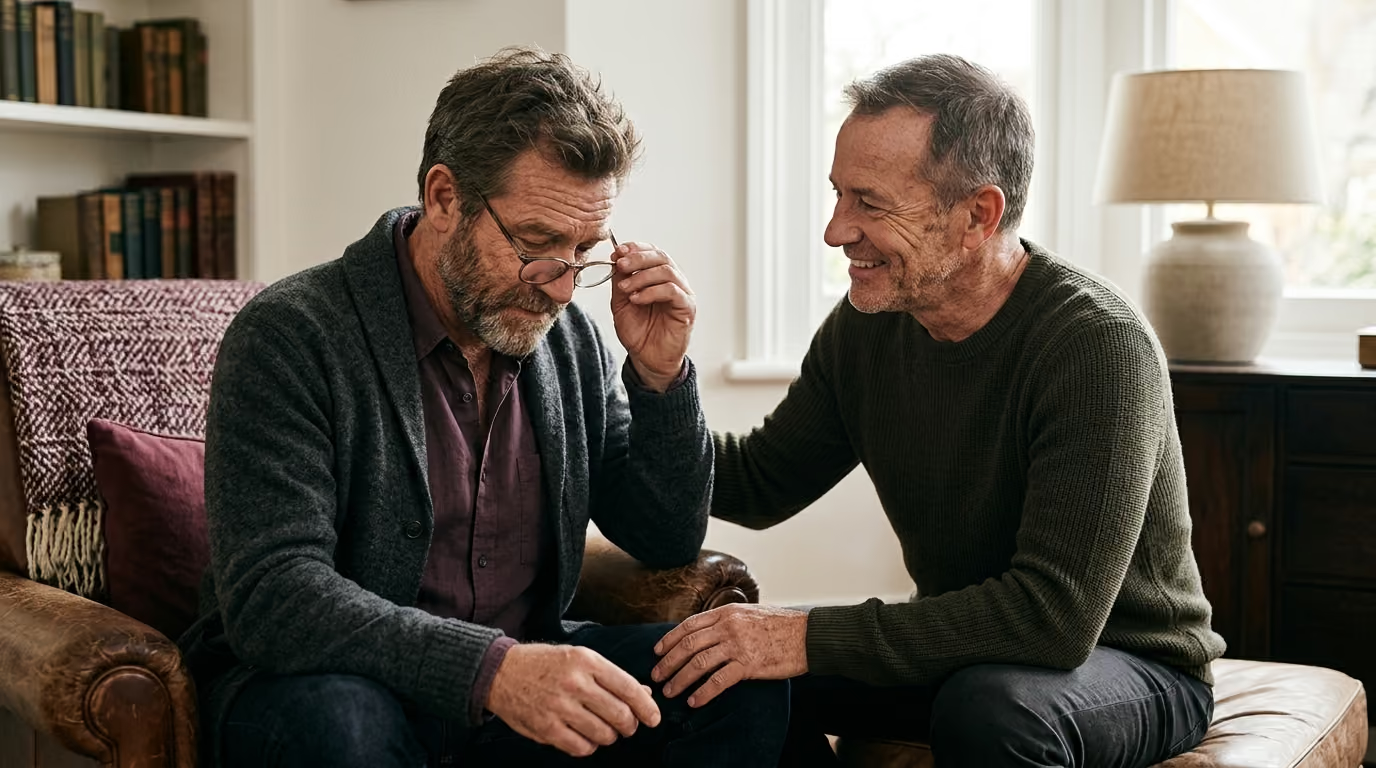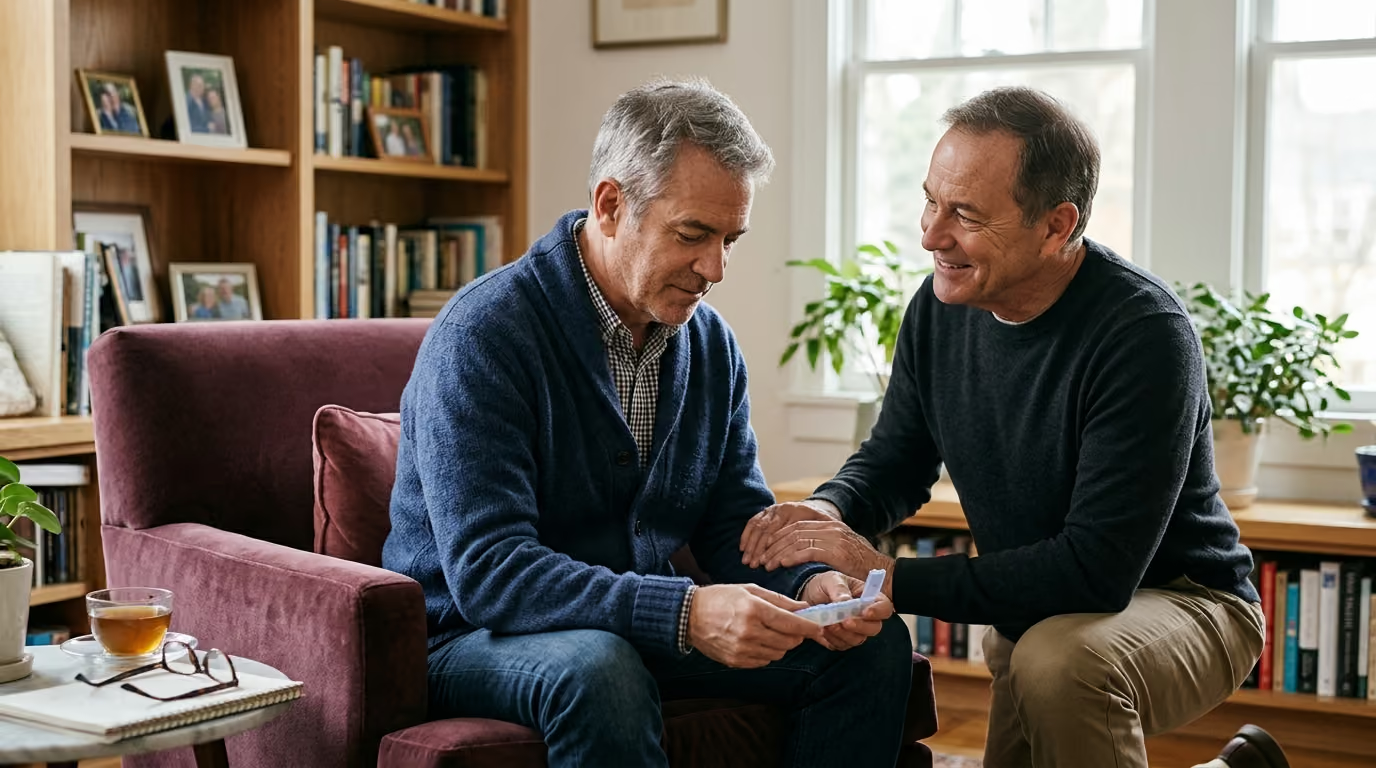

Stronger partnerships and sustained intimacy emerge when gay couples navigate midlife health changes using practical communication, boundary setting, and legal planning frameworks.





If you are in immediate danger, call 911. For 24/7 support, call or text 988 and press 1 for the Veterans Crisis Line, or text 838255.
Many men search online late at night for guidance on a difficult reality. When a partner faces illness, changing mobility, cognitive decline, or sexual dysfunction, the dynamic of a relationship changes. Partners often ask how to provide support without losing romantic connection, sexual intimacy, and mutual respect. This guide provides an evidence-based roadmap for navigating health transitions while preserving adulthood, agency, and dignity.
If you or your partner are experiencing acute mental health distress or thoughts of suicide, support is available immediately. Call 911 for emergency situations. Call or text 988 to reach the Suicide & Crisis Lifeline, press 1 for the Veterans Crisis Line, or text 838255. When managing severe emotional distress, work with a doctor or mental health professional to secure any medications or household hazards safely.
Caregiving is a common life event rather than an isolated crisis. National research indicates that millions of adults provide unpaid assistance to loved ones managing complex medical conditions. Within LGBTQ+ populations, informal caregiving shows unique and resilient patterns. Studies show that more than one quarter of LGBTQ+ older adults provide care to someone with a health condition.
Unlike patterns in the general population where women provide the bulk of informal assistance, gay and bisexual men provide care at rates equal to women in their communities. Research on older LGBTQ+ adults reveals that 35 percent of caregivers care for a partner or spouse. Another 32 percent provide care for a close friend, and 16 percent care for a parent. Among LGBTQ+ individuals receiving care, 54 percent rely on a partner or spouse, while 24 percent receive help from friends.
Mutual caregiving is a defining feature of many gay relationships. Partners frequently exchange support across different phases of life, alternating between giving and receiving assistance. However, structural conditions can create substantial strain. Research by Fredriksen-Goldsen and colleagues highlights that relationship quality and external discrimination directly affect mental health outcomes for both partners. LGBTQ+ caregivers report higher levels of social isolation and loneliness compared to their heterosexual peers.
Financial vulnerability also plays a significant role in informal care. National caregiving data reveals that nearly half of all caregivers face major financial impacts, including debt, reduced work hours, or depleted savings. Furthermore, only 24 percent of LGBTQ+ caregivers utilize paid professional help, while 43 percent rely on unpaid assistance. Understanding these empirical patterns allows couples to approach health shifts with clear expectations and strategic planning.
Health needs often shift as men move past thirty-five and into midlife. Cardiovascular changes, metabolic conditions like type 2 diabetes, joint wear, and changing hormone levels can alter daily stamina. For men aging with HIV, long-term inflammation, peripheral neuropathy, and medication side effects can introduce new physical considerations. These physical changes are normal aspects of biological aging that require practical adaptations rather than despair.
Midlife also brings shifts in social circles and relationship dynamics. Gay men over thirty-five frequently experience changes in their friend networks, career pressures, and housing needs. In national health surveys, older gay and bisexual men report higher rates of living alone and higher rates of chronic conditions than heterosexual men. These disparities stem from cumulative minority stress, historical healthcare discrimination, and unequal access to affirming medical support.
Physical transitions directly influence how partners interact every day. A drop in energy can reduce spontaneous social outings, while joint stiffness or back pain might alter physical intimacy and sleep arrangements. When these bodily changes occur, partners must communicate openly about physical limits. Recognizing biological shifts early helps couples prevent frustration, avoid misunderstandings, and build sustainable habits for healthy aging strategies over time.
Health changes can alter daily routines, but they do not eliminate equality between partners. When one partner needs assistance, couples can easily fall into parent-child dynamics that damage romance and autonomy. Applying structured frameworks helps couples maintain balance and mutual respect.
Care tasks can consume daily life if couples allow logistics to dominate every conversation. The person-first framework separates the human being from the medical diagnosis. Before stepping in to complete an activity, the supporting partner should pause and assess the situation systematically:
This approach prevents the supporting partner from equating physical limitations with cognitive or emotional helplessness. Efficiency is rarely more important than personal agency.
Partners move through multiple distinct roles each day. A man may be a romantic lover, a legal spouse, an advocate, an appointment scheduler, and a household manager. Taking on care duties does not mean the relationship transforms permanently into a clinical arrangement.
Couples should explicitly name these shifting roles. Regular check-ins prevent care duties from erasing romantic identities. Partners can ask each other which tasks feel intrusive, which tasks feel comfortable, and where they still connect as equal adults. Naming these boundaries preserves emotional intimacy and mutual respect.
A medical diagnosis does not constitute a blanket loss of decision-making ability. Clinical capacity varies across specific decisions, time of day, pain levels, and medication schedules. A man managing complex mobility issues or early cognitive changes may need assistance balancing finances while remaining completely capable of choosing his meals, social contacts, and sexual boundaries.
Supported decision-making allows a person to review options, ask questions, and express choices with assistance rather than having their authority replaced. Furthermore, every adult retains the dignity of risk. Adults have the right to make informed choices that involve calculated risks, such as continuing a physical hobby or managing their own schedule, without being overprotected by a partner.
Sexual health and physical closeness remain vital components of adult relationships through every decade of life. Chronic illness, cardiovascular conditions, diabetes, and nerve changes can alter erectile firmness, stamina, and sensation. In research examining men aged fifty and older, severe sexual dysfunction was reported by 52 percent of men living with HIV and 48 percent of men with type 2 diabetes. These realities highlight the importance of addressing male vitality and sexual health proactively.
Intimacy must never be reduced solely to erections or penetrative sex. When physical capacity changes, couples can expand their erotic menu to include sensual massage, mutual masturbation, erotic conversation, oral touch, and adaptive positioning. Using supportive cushions, lubricants, and scheduled rest periods helps maintain comfort and pleasure.
Relational consent remains dynamic and continuous. A marriage, long-term relationship, or past sexual history never implies permanent consent. Health conditions can change how a person experiences touch, pressure, and vulnerability. Partners should use clear, direct communication before and during physical intimacy:
The care partner also maintains absolute bodily autonomy. A supporting partner is never obligated to provide sexual contact or physical touch out of guilt or duty. The National Institute on Aging emphasizes that caregivers should never feel pressured into uncomfortable physical situations. Mutual desire and honest boundaries are essential for healthy intimacy.
Gay men navigate health challenges within specific social and cultural environments. Many gay couples rely heavily on chosen family, close friends, and former partners rather than biological relatives. While chosen family networks provide deep empathy and shared history, they can face legal hurdles in healthcare settings that still prioritize biological kinship.
Discrimination within medical institutions remains an ongoing challenge. Gay men may encounter medical staff, home health aides, or facility administrators who lack cultural competency. Fear of mistreatment can lead couples to conceal their relationships, creating additional stress during medical emergencies. Couples must establish clear legal protections to verify hospital visitation rights and medical decision-making authority.
Relationship structures in gay communities also vary widely. Couples may practice non-monogamy, live in multi-partner arrangements, or maintain deep emotional bonds with former lovers. Health crises require open dialogue about how outside partners participate in care, visit hospital rooms, and receive medical updates. Clear communication ensures that every meaningful relationship is respected without creating confusion or conflict during treatment.
Couples looking for broader community frameworks can consult our confidence and relationship resources for additional perspectives on partnership dynamics.
Clear communication prevents small daily frustrations from turning into chronic resentment. Couples should establish structured conversations before emergencies occur. Using neutral scripts helps partners address sensitive topics without triggering defensiveness.
When discussing health changes, use a staged conversation model:
Couples can categorize all daily tasks into five operational areas. Categorizing duties helps partners identify which responsibilities can be handled together, adapted, or delegated to outside resources:
Partners should evaluate each task individually. A partner might say, "I am happy to handle grocery shopping, but we should hire an aide for physical transfers to protect our safety." Delegating physical care tasks to professionals often allows partners to preserve their romantic connection.
Advance planning protects gay couples from institutional discrimination and family interference. If a medical crisis occurs without legal documents in place, healthcare providers may default to biological relatives, potentially excluding a partner from critical decisions.
According to resources from SAGE and Compassion & Choices, every couple should establish an Advance Care Directive. This documentation consists of two primary components:
Couples should compile an Emergency Health Folder containing original documents and digital copies. Keep this folder in an easily accessible location at home.
Review these documents annually or whenever a major medical diagnosis changes. Inform chosen family members where these files are stored so they can access them immediately during an emergency.
Cognitive conditions, including dementia and severe neurological changes, introduce complex relational challenges. A partner with cognitive decline may exhibit personality changes, memory loss, or altered sexual behaviors. The National Institute on Aging notes that dementia can cause individuals to misinterpret social cues or display unexpected sexual requests.
In these situations, partners must distinguish between present preference, clinical capacity, and informed consent. When cognitive impairment makes verbal consent unclear, sexual activity must pause. Affection can be expressed through safe, nonsexual touch, such as holding hands, listening to music together, or gentle arm massage.
Safety screening is also a vital consideration. According to the CDC National Intimate Partner and Sexual Violence Survey, gay and bisexual men experience disproportionate rates of interpersonal violence and coercion compared to heterosexual men. Caregiver strain must never be used to justify abuse.
Warning signs of abusive dynamics include:
If you suspect abuse or coercion, seek confidential assistance immediately. Contact the National Domestic Violence Hotline by calling 1-800-799-SAFE or texting "START" to 88788. You can also connect with local LGBTQ+ community centers to find safe shelter, legal counsel, and social support. For broader insights on relationship dynamics, explore our navigating relationship transitions resources.
While research on caregiving has expanded significantly, notable gaps remain in the scientific literature. Most published studies group lesbian, gay, bisexual, and transgender individuals into broad cohorts. Consequently, data specifically focusing on aging gay male couples is often limited to smaller, localized samples.
Much of the existing research also relies on cross-sectional surveys rather than long-term longitudinal tracking. Studies frequently recruit participants from urban LGBTQ+ community centers, which may underrepresent men living in rural areas or those with limited financial resources. Furthermore, research examining caregiving dynamics within non-monogamous relationships, polyamorous networks, or multi-generational chosen families remains in its early stages.
Health disparities research must also be interpreted carefully. While statistical models identify higher risks of cardiovascular conditions and social isolation among older gay men, these population averages do not determine an individual's personal health trajectory. Lifestyle habits, community connection, and proactive healthcare significantly improve long-term outcomes.
Navigating health transitions requires steady, practical actions rather than sudden overhauls. Couples can protect their partnership, reduce stress, and maintain dignity by applying these evidence-aligned steps:
Health changes can alter daily routines, but they do not diminish equality, erotic possibility, or personal dignity within a loving partnership. By setting clear boundaries, sharing practical responsibilities, and communicating with honesty, gay men can navigate health challenges while keeping their connection resilient and strong.
Stay connected for research-led guidance on fitness, body composition, skin, grooming, vitality, sexual wellbeing, relationships and healthy aging. Clear ideas for gay men 35+ who want to look good, feel strong and age with confidence.


Build habits and systems that support clear thinking, steady energy and long term capacity throughout a demanding career.
explore the Blog