
Deciding between lifting and cardio limits your physical capacity as you age. This protocol integrates resistance, aerobic and mobility work for men 35+.





Forcing a choice between heavy lifting and cardiovascular exercise limits your physical capacity as you age, so this protocol integrates resistance work, aerobic conditioning and functional mobility to build sustainable stamina and movement confidence.
Before starting this multicomponent program, you must establish a physical baseline and secure the right practical setup. The World Health Organization recommends 150 to 300 minutes of moderate-intensity aerobic activity per week. Guidelines also advise muscle-strengthening activities involving major muscle groups on at least two days per week. For older adults, the guidance adds multicomponent activity emphasizing functional balance and strength to preserve long-term physical independence.
A man returning to fitness after years away will need access to basic resistance equipment and low-impact cardiovascular options. He should also be clear of acute injuries, extreme joint pain and severe metabolic conditions. The CDC advises individuals with physical limitations or underlying health conditions to discuss appropriate activity options with a doctor before beginning. Establishing this medical and equipment baseline prevents early physical setbacks and keeps your training safe.
Your current physical capability directly influences your initial readiness for this comprehensive protocol. A study examining physical-activity promotion among older men found that greater capability was positively associated with actual daily activity. Capability only explained a modest portion of total behavior, meaning that physical access, social comfort and prior gym experience also shape your success. You need a sustainable schedule, realistic expectations and a comfortable training environment before lifting heavy weights.
Finally, you must be willing to detach your fitness routine from rigid aesthetic ideals tied strictly to youth. Research involving gay and heterosexual older adults identified themes involving aesthetics, support networks, mental health and cultural identity. The clinical evidence does not prescribe one specific longevity and healthy aging physique as the only acceptable outcome. Setting aside the pressure to replicate a younger body is a required mental prerequisite for adopting this balanced protocol.
Building a sustainable weekly framework requires translating public-health guidance into a concrete and adaptable adult routine. This sequence prioritizes consistent action over extreme exercise intensity. You can easily modify the exact movements to fit your current joint health.
1. Schedule two full-body strength sessions per week
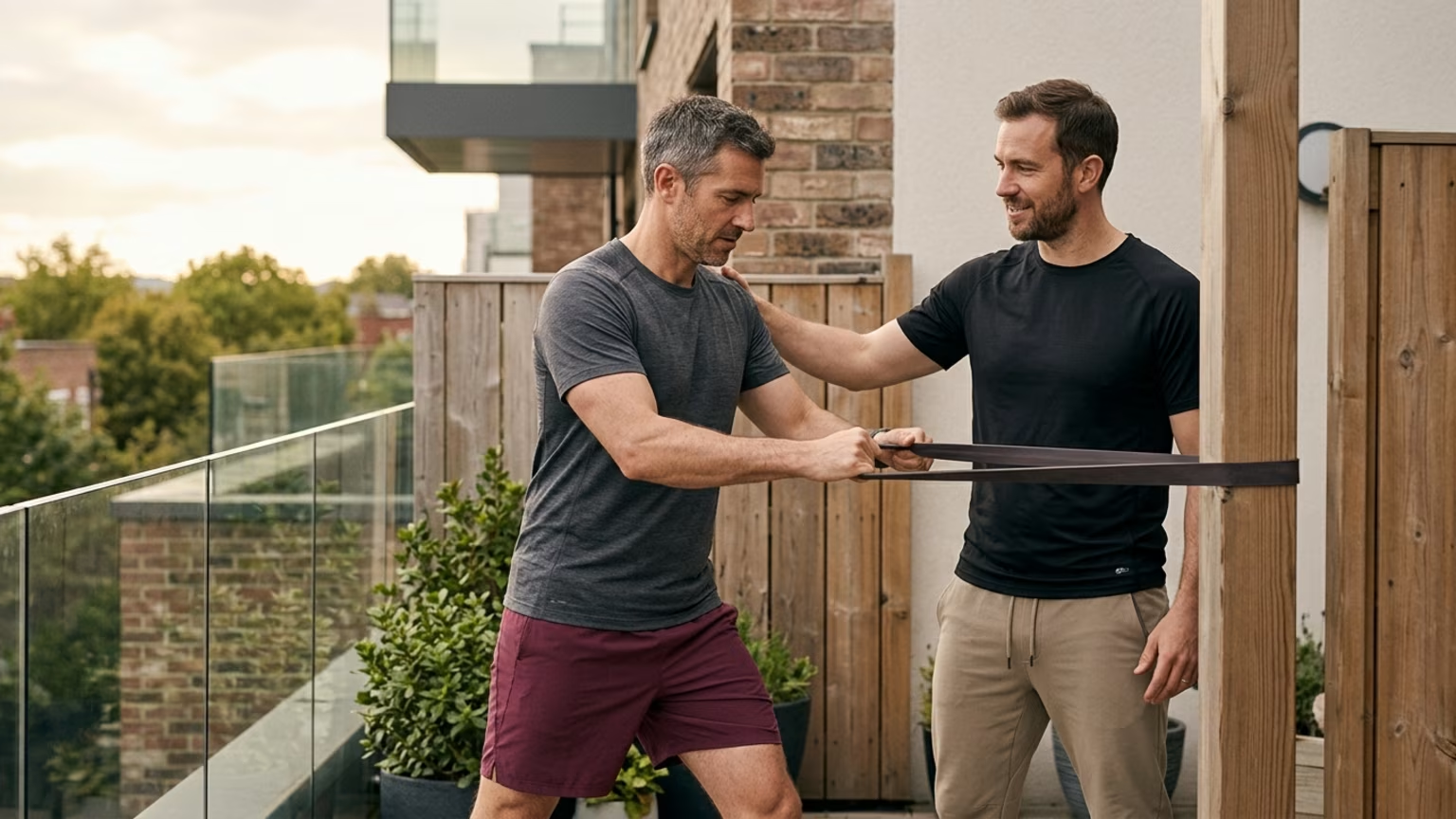
Start by dedicating two non-consecutive days to resistance training using tools like dumbbells, machines or resistance bands. A systematic review of randomized trials found that resistance training improved muscle strength and whole-muscle hypertrophy even among adults aged 80 and older [6]. This demonstrates that meaningful physical adaptation remains highly possible well beyond midlife. Focus on one lower-body push, one hip-dominant movement, one horizontal push and one primary pulling exercise. This approach means that you train all major muscle groups without spending hours isolating individual small muscles. An experienced lifter might retain three to four dedicated strength sessions per week, but a beginner should focus purely on weekly attendance and establishing comfortable lifting technique.
2. Program two to three moderate aerobic sessions
Add 20 to 30 minutes of steady cardiovascular work on your non-lifting days. You can choose brisk walking, swimming, cycling or an elliptical machine. This aligns with the international target of accumulating up to 300 minutes of moderate aerobic effort weekly. Cardiovascular conditioning builds the work capacity needed to sustain active daily participation and recover faster between your strength sets. If you already have a strong cardio habit, you simply need to retain it while layering in the new resistance requirements.
3. Integrate functional mobility work daily
Perform five to ten minutes of mobility work most days to access useful movement positions rather than chasing extreme flexibility. Focus on controlled hip rotation, deep supported squats, overhead reaching and stepping movements. A recently described multicomponent protocol successfully combined joint mobility, resistance, balance and functional walking into the same 60-minute session [2]. You can incorporate these mobility elements directly into your warm-ups or use them for active recovery.
4. Incorporate specific balance practices
Add brief balance drills into your daily routine or your aerobic recovery sessions. You might practice single-leg stands while holding a stable support, controlled step-downs or balance-focused yoga movements. Balance training develops the ability to control your body while turning or responding to sudden instability. This capacity remains crucial for maintaining independence and movement confidence as you reach your later decades. If you manage joint limitations, a qualified clinician can help you select safe, supported balance variations.
5. Adjust intensity using a conversational benchmark
Manage your exertion levels without relying on complicated heart-rate monitors during your first few weeks. The multicomponent study protocol mentioned earlier used a simple conversational talk test to guide aerobic effort [2]. You should keep one or two repetitions in reserve on most of your strength training sets. Training to absolute failure on every exercise creates unnecessary systemic fatigue and slows your recovery. Pushing your cardiovascular system to its absolute limit during every session often leads to unnecessary joint pain. You can safely increase the intensity once you develop a solid foundation of aerobic fitness over several months.
6. Adjust training volume for specific aesthetic priorities
You should align your physical volume with your specific aesthetic and lifestyle goals. If you want a leaner silhouette, combine progressive strength training with moderate cardiovascular work and adequate protein intake. Avoid using excessive high-intensity cardio to compensate for undereating. If you prefer a highly muscular appearance, prioritize progressive resistance exercises and limit demanding endurance activities that compromise your leg recovery. Remember that retaining muscle mass becomes highly dependent on your nutritional intake as you age. A plan that supports recreational sport and a busy social life may be more valuable than one that produces impressive gym numbers.
7. Monitor your physical recovery closely
Treat your rest days as a strictly non-negotiable part of the weekly plan. If your sleep quality, joint comfort or training performance deteriorates, you should reduce your exercise volume immediately. Slower recovery is a normal physiological reality rather than a sign of personal failure. Assuming you simply need more discipline often leads directly to overuse injuries and prolonged time away from the gym.
Men over 35 often fail to maintain integrated fitness plans when they cling to outdated training myths or ignore their changing recovery needs. The first common breakdown occurs when men avoid cardiovascular conditioning completely to protect their overall muscle size. Some meta-analytic evidence suggests a small hypertrophy trade-off when aerobic and resistance training are combined at high volumes. Another review found that the potential interference was more apparent with running than cycling, while cycling did not significantly impair strength or hypertrophy in the same way [5].
You can easily avoid this specific interference effect by keeping your high-intensity endurance work completely separate from your heavy lower-body lifting sessions. Easy cycling or low-impact cardio can often follow strength and body composition workouts without compromising your muscular recovery. The main goal is building a capable portfolio of physical skills rather than preparing to step onto a competitive bodybuilding stage. Rejecting the extreme gym mentalities associated with youth fitness helps prevent unnecessary physical burnout as you get older.
A second major failure point involves treating functional mobility as merely optional static stretching that can be skipped when busy. Men frequently skip mobility work because it does not feel exhausting or produce immediate visible physical changes in the mirror. This daily oversight eventually leads to stiff joints, a reduced range of motion and an inability to perform basic strength movements safely. You prevent this painful breakdown by treating controlled step-downs and overhead reaching as mandatory physical maintenance rather than a disposable gym warm-up.
The third breakdown happens when men apply rigid workout templates to complex, aging individual bodies. In a network meta-analysis of 42 randomized trials involving 3,728 adults with sarcopenia, the best-performing exercise combination varied according to the specific outcome being measured. Resistance combined with balance training ranked highly for grip strength, while resistance-based combinations ranked highly for improving gait speed. You must individualize your exercise choices based on your specific joint health rather than forcing a standardized plan that causes pain.
A final breakdown occurs when older men use cardiovascular exercise exclusively as physical punishment for their dietary choices. Using extreme high-intensity interval training to compensate for a heavy weekend lifestyle rapidly accelerates physical burnout and systemic joint inflammation. You can avoid this dangerous trap by prioritizing activities that actively support your stamina and social participation, such as hiking or recreational swimming. Maintaining a healthy psychological relationship with physical activity is just as important as the physiological strength adaptations you achieve.
Once you master this baseline protocol, your next milestone is sustaining this integrated structure for twelve consecutive weeks without missing your core training anchors. Reaching this habit consistency metric proves that you have successfully adapted the physical workload to your busy adult lifestyle. You should also track your physical benchmarks by assessing whether you can comfortably travel, climb multiple flights of stairs and participate in social recreation without severe fatigue. Hitting these dual targets confirms that your integrated routine is genuinely supporting an active, confident and independent life. Mastering these foundational capacities gives you the physical freedom to pursue additional male vitality and sexual wellbeing strategies in the future.
Adjusting an established baseline routine to match shifting metabolic realities requires analyzing long-term physiological trends carefully. Managing slower recovery, changes in energy, sleep or physical capability often leaves an aging man feeling medically unsupported, an obstacle GayFitLab removes by converting credible health research into stylish, practical guidance.
Stay connected for research-led guidance on fitness, body composition, skin, grooming, vitality, sexual wellbeing, relationships and healthy aging. Clear ideas for gay men 35+ who want to look good, feel strong and age with confidence.





Build habits and systems that support clear thinking, steady energy and long term capacity throughout a demanding career.
explore the Blog