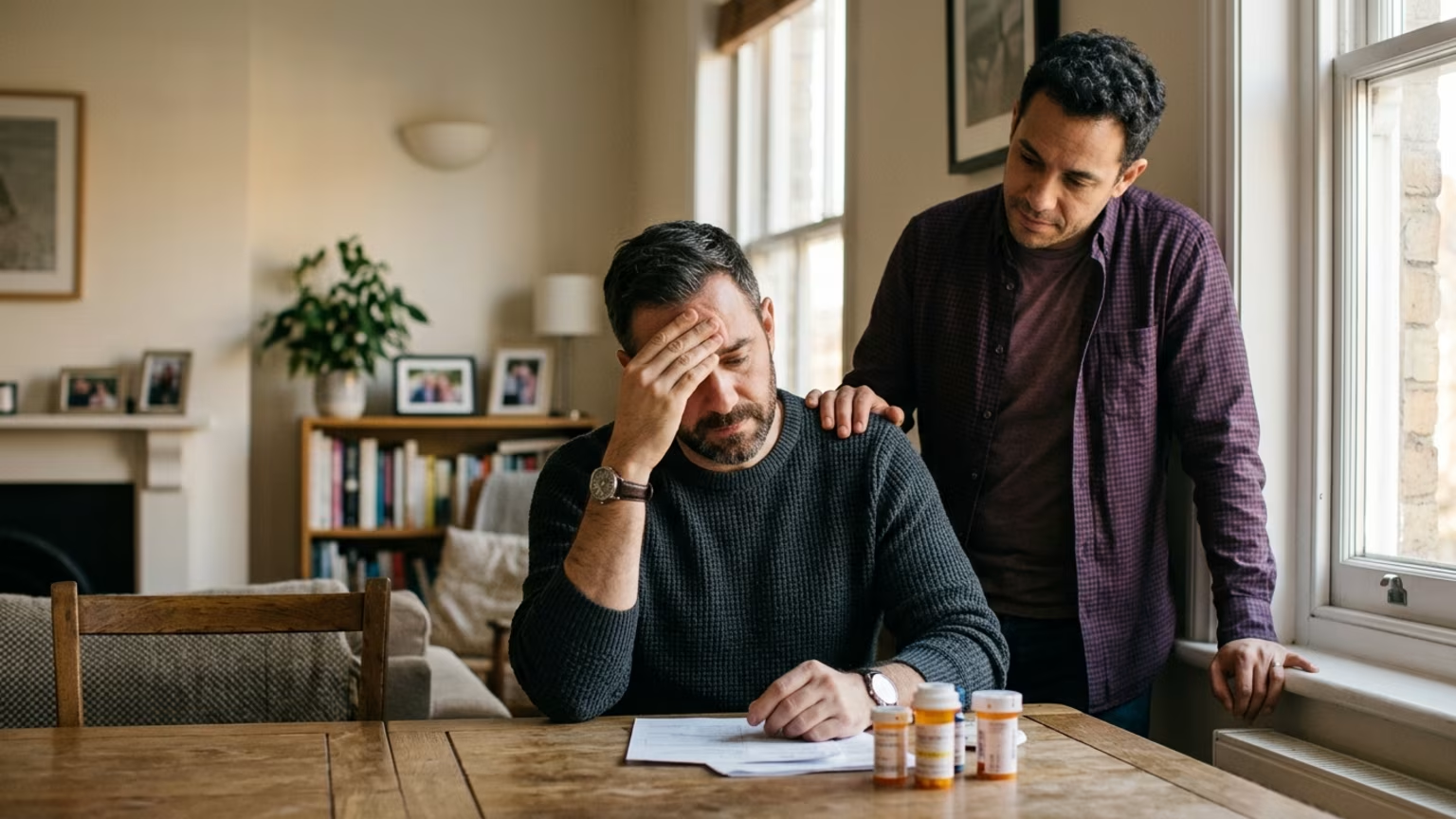

Erection changes after 35 are a vital cardiometabolic health signal, not just a sign of low testosterone. Learn how to track symptoms and protect your health.





A persistent change in erection quality after 35 is not a referendum on your masculinity or an automatic sentence of low testosterone. It is a highly sensitive biological alarm system that men routinely ignore, mask with pills, or blame on getting older. The assumption that sexual function simply fades with age hides a much more useful physiological truth. Treating your erections as an isolated bedroom problem means missing a critical window to protect your long-term cardiovascular health.
The standard narrative around men's health aggressively reduces any shift in sexual performance to a simple hormone deficiency. Clinics and online platforms market testosterone replacement as the default cure for nearly every erection problem. This creates a cultural reflex where men over 35 assume they just need a quick hormonal fix to restore their sexual confidence. The medical data tells a very different story about what actually drives sexual function and overall vitality.
The Endocrine Society provides clear educational guidance that a diagnosis of testosterone deficiency requires appropriate symptoms and confirmed biochemical testing. Yet their cited data reveals a troubling trend of overprescription and inadequate clinical assessment. In one analysis cited by the Society, only 12% of men receiving an initial testosterone prescription had two low morning testosterone results, appropriate additional hormone testing and no contraindications. This means a staggering number of men are treating a complex biological symptom with completely unnecessary medication.
Testosterone therapy is intended for appropriately evaluated men with compatible symptoms and confirmed biochemical deficiency. It is not simply meant for men who want stronger erections or feel less youthful. This narrow focus on hormones completely ignores the broader context of male aging and vascular health. Men often look to their morning physical responses as a definitive gauge of their hormonal status.
Morning erections can be part of the history, but they are not a testosterone test and cannot independently diagnose or exclude erectile dysfunction or identify its cause. Their presence or absence adds useful context, but they cannot identify a hidden vascular, neurological, or relationship issue. When men fixate entirely on testosterone, they miss the physiological factors that actually control their long-term health. The cultural panic around aging often frames normal physical shifts as a medical crisis.
The presence of a change after 35 does not prove that it is just part of getting older. It is a prompt to look at the overall functioning of your body. Blaming age or searching for a single magic hormone stops men from asking better questions about their daily habits. Understanding the real drivers of sexual function requires looking far beyond a single lab result.
The central guideline message is that erectile dysfunction is a complex medical issue rather than a single-hormone disorder. The European Association of Urology describes erectile dysfunction as a condition with multiple possible causes, including vascular, hormonal, neurological and psychological dysfunction. Focusing only on testosterone leaves the most critical, life-altering health risks completely unexamined. A holistic approach demands an honest assessment of how your internal systems interact.
The vascular explanation is the most urgent reality check for men over 35. Erectile dysfunction is associated with increased risks of cardiovascular disease, stroke, atrial fibrillation and all-cause mortality. An erection requires healthy, responsive blood vessels to function properly. When metabolic or cardiovascular issues restrict blood flow, sexual function is often the first system to show signs of distress.
Persistent erection changes can justify a comprehensive review of blood pressure, glucose regulation, and cholesterol. Metabolic disease can affect erections through both vascular and nerve pathways. A comprehensive clinical evaluation should include a sexual history, an assessment of contributing comorbidities, targeted investigations, and a cardiovascular-risk appraisal. This simply means that a persistent change is a valid reason to review your cardiometabolic markers instead of hiding the symptom.
Sleep disruption plays a deeply underappreciated role in sexual health and hormonal balance. A 2022 systematic review and meta-analysis of randomized trials found an inverse association between obstructive sleep apnea and serum testosterone. This review covered 18 studies and 1,823 men. The association remained clear even after adjusting for age and body-mass index, and it was driven primarily by more severe sleep apnea.
Snoring, daytime sleepiness, and unrefreshing rest can quietly sabotage your sexual function over time. The available evidence supports an association between sleep apnea and lower testosterone. However, this does not establish that treating sleep apnea will automatically restore erections. Medications can also silently compromise your physical responses and overall vitality.
The European Association of Urology lists certain thiazide diuretics and beta-blockers among antihypertensive drugs that may contribute to erectile problems. The guidelines also list selective serotonin reuptake inhibitors, tricyclic antidepressants, and antipsychotics among medications associated with sexual dysfunction. These effects must be handled collaboratively with a doctor rather than through abrupt self-discontinuation. The underlying condition a drug treats may itself affect sexual function and overall health risk.
Psychological and relational factors can be primary contributors, secondary reactions, or amplifiers of a physical problem. The EAU identifies psychological dysfunction as one possible mechanism, and it notes that high performance anxiety related to erectile dysfunction can worsen sexual symptoms. A man might have hypertension alongside performance anxiety, making a rigid physical-versus-mental diagnosis entirely unhelpful. Treating the problem as exclusively physical or exclusively mental can lead to missed underlying causes.
Instead of panicking over a single difficult sexual encounter, you need a systematic approach to tracking your body. Fatigue, unfamiliar partners, medication timing and relationship tension can alter any individual experience. The useful clinical signal is a persistent pattern across different contexts over several weeks. Men who care about longevity and healthy aging should view these patterns as actionable, objective health data.
Start by noting whether the issue involves getting an erection, maintaining firmness, or a drop in desire. Track whether these changes occur consistently or if they are purely situational. Notice if erections happen during masturbation, with a partner, or during sleep. Record your sleep duration, any signs of unusually poor recovery, and changes in mood or exercise tolerance.
Document any recent changes in alcohol consumption, recreational drugs, new supplements, or prescription medications. If the pattern persists, arrange a routine appointment to review your risk factors without turning the process into body surveillance. The goal is to notice potentially modifiable health factors rather than chasing a specific body-fat percentage. Relevant areas to review include blood pressure, diabetes, cholesterol, physical activity and metabolic syndrome.
Exercise remains a foundational tool for protecting your vascular system and your sexual health. A systematic review and meta-analysis of randomized controlled trials found evidence supporting aerobic exercise as a low-risk, non-pharmacological intervention for erectile dysfunction. This benefit was particularly notable among men with more severe baseline impairment. However, regular strength and fitness routines cannot replace a proper medical assessment if you experience chest pain, uncontrolled blood pressure, or suspected sleep apnea.
For gay and bisexual men, sexual function must be discussed without defaulting to rigid heterosexual assumptions. Sexual health assessments should ask what has changed for the individual rather than measuring against a single standardized outcome. A study involving gay and bisexual men treated for prostate cancer highlights this critical complexity. It showed that sexual outcomes included condom-related erectile difficulty, climacturia, penile size concerns and anodyspareunia.
This means your clinical conversations should reflect your actual life and relationship dynamics. The practical impact of an erection change differs based on your sexual role, dating context, and specific intimacy goals. You might care more about endurance and confidence than absolute rigidity. A modern approach to male vitality and sexual wellbeing requires defining what matters to you personally.
Treating your sexual history as clinical information rather than a confession removes the shame from the medical process. A useful consultation should include highly specific questions about your daily experience. Your doctor should ask when the change began, whether it is context-dependent, and whether desire has shifted alongside firmness. They should inquire about any pain, numbness, urinary symptoms, or recent medication changes.
Clinicians should also ask how sleep, stress, mood, and dating pressures are affecting your life. Answering these questions honestly provides the roadmap for a highly effective, personalized treatment plan. Addressing these concerns proactively allows you to maintain your physical vitality and relational confidence. Recognizing erections as a broad health signal ultimately empowers you to age with strength and resilience.
Mental health support should never be viewed as a secondary option or a last resort. Anxiety, depression, and body-image concerns are highly valid clinical topics that require proper attention. They can easily coexist with vascular or medication-related causes without diminishing the physical reality of the problem. Integrating both mental and physical care provides the most effective path forward.
Treating an erection change as a simple cosmetic flaw ignores the clearest warning sign your vascular system will ever give you.
Deciphering the confusion around male vitality, hormones and sexual wellbeing claims typically falls entirely on the individual man, an overwhelming task that shifts completely once GayFitLab translates the clinical evidence. We address the youth-focused gay media that can make normal aging feel like social decline, translating credible evidence into clear, stylish and practical guidance without age panic. Explore Resources
Stay connected for research-led guidance on fitness, body composition, skin, grooming, vitality, sexual wellbeing, relationships and healthy aging. Clear ideas for gay men 35+ who want to look good, feel strong and age with confidence.





Build habits and systems that support clear thinking, steady energy and long term capacity throughout a demanding career.
explore the Blog