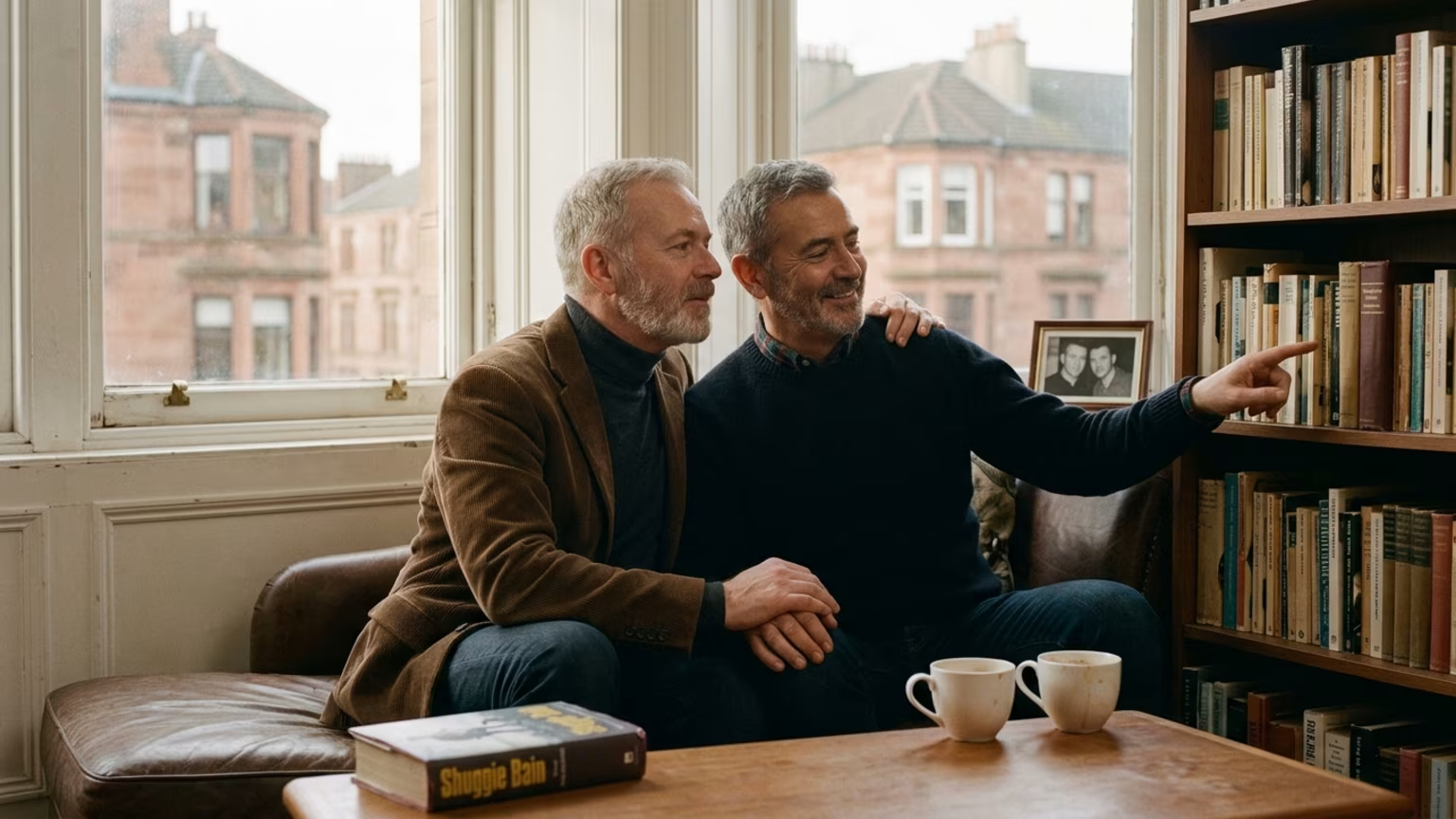

An interview with author Douglas Stuart explores his 30-year partnership and early poverty, offering insights on lasting connection for gay men over 35.





EL PAÍS published an interview with author Douglas Stuart on September 19, 2026, which was updated on October 5. The publication detailed his reflections on a 30-year partnership and the lingering effects of his childhood poverty.
Douglas Stuart met his husband at age 20 and felt immediate certainty. They basically got married a month after their first meeting. This personal narrative stands out in a culture that often delays commitment. Stuart knew he wanted to spend his life with his partner immediately.
Men over 35 often feel pressure to perfectly optimize their romantic choices. Constant searching can prevent the deep work of building a life together. Stuart simply made an early choice and committed to the process. His story illustrates the power of mutual persistence over decades.
This does not mean rapid commitment works for every individual. A lasting partnership requires intense adaptability as both individuals change. Aging brings shifts in physical health and emotional priorities. Surviving these changes demands a willingness to grow alongside a partner.
Stuart grew up experiencing severe poverty in Glasgow. He told EL PAÍS that this background continues to shape his attitudes. Financial hardship leaves a lasting mark on a person. It can influence how individuals approach security and trust throughout adulthood.
Many gay men over 35 carry memories of early instability or family rejection. These early environments often dictate how a person manages money and intimacy. Recognizing these lingering effects helps men understand their own relationship patterns. A grounded partnership provides space to process these old survival habits.
True emotional maturity involves confronting these past experiences directly. Financial security alone does not automatically cure early trauma. It requires conscious effort to separate past fears from current realities. Couples thrive when they can openly discuss their inherited anxieties.
The interview highlights an older era of gay dating. Stuart recalled exchanging letters with potential partners for months. These correspondences involved sharing intimate details about family and future hopes. This slow pace allowed for deep intellectual and emotional connection.
Modern interactions often move at a much faster pace. Men over 35 might feel out of step with these current dating rhythms. The focus often shifts rapidly toward physical compatibility. Slowing down the discovery process can build a different kind of trust.
Taking time to learn about someone establishes a stronger foundation. Readers seeking meaningful partnerships might benefit from this deliberate pacing. A slower approach allows genuine personality traits to surface over time. Men who want to build better dating habits often find that deliberate pacing improves their experiences.
Stuart argued that greater visibility has not resolved loneliness among gay men. Acceptance in broader society does not automatically create intimate community. Many men over 35 find themselves lacking deep personal connections. Public representation is useful, but it cannot replace individual friendships.
Living openly does not guarantee a rich social life. Men must intentionally cultivate their networks as they age. A strong support system requires regular investment of time and energy. It is common to feel isolated even in highly populated gay neighborhoods.
Overcoming this isolation requires stepping out of passive routines. Building a fulfilling life demands active social effort. Men must prioritize human connection as a core pillar of health. Those focusing on longevity and healthy aging know that community is a vital component.
Relying entirely on a romantic partner for support is risky. Lasting wellbeing requires a diverse network of connections. The practical takeaway from Stuart's reflections is to think about community broadly. Friendships can provide the same emotional grounding as a marriage.
Men navigating midlife should invest energy in platonic relationships. Maintaining these bonds requires consistent effort and clear communication. Strong friendships act as a buffer against life changes and physical aging. They offer diverse perspectives that a single partner cannot provide.
Building a broad network also reduces the pressure on romantic relationships. Expecting one person to fulfill every emotional need often leads to frustration. Cultivating distinct social circles enriches a man's daily life. It creates a robust safety net for the future.
Reading about a 30-year partnership can easily trigger harmful comparison. Stuart shared a personal story rather than a universal blueprint. Not every successful life features a lifelong marriage. Men over 35 should evaluate their own social needs honestly.
Some men find stability in long-term relationships, while others prefer independent lives. Emotional maturity involves knowing what actually brings you peace. There is no single correct trajectory for gay men as they age. Forcing a conventional relationship model rarely produces true happiness.
Confidence comes from owning your specific relationship history. Past breakups are not failures, but necessary steps in personal growth. A man can live a deeply fulfilling life without a permanent romantic partner. The goal is authentic connection in whatever form it takes.
Stuart moved to New York in 2000 and worked in the fashion industry. He later transitioned into a highly successful writing career. These significant life changes require a relationship to be incredibly adaptable. Men in their late 30s and 40s often undergo similar professional evolutions.
A stable partnership must accommodate these shifts without breaking under pressure. Open dialogue about changing goals helps maintain mutual respect. Supporting a partner through a career change strengthens long-term trust. It requires patience as both individuals navigate new identities.
Physical changes also require adaptation over time. Shifts in energy levels can impact intimacy and daily routines. Maintaining a focus on male vitality and sexual wellbeing helps couples adjust. Honest communication about these changes prevents resentment from building.
Marriage was illegal for men when Stuart met his husband. They committed to each other without any legal recognition or protection. This history reminds older gay men of their own unique timelines. Traditional milestones do not always apply to queer relationships.
Men over 35 have the freedom to define their own markers of success. A deep emotional bond is more important than a formal certificate. Evaluating what matters most helps men build authentic and satisfying lives. It frees them from societal expectations that do not serve them.
True stability is built on shared values and mutual respect. It is sustained by consistent daily actions rather than grand declarations. A man can design his life exactly as he wishes. The most important metric is his own sense of peace and belonging.
Older gay men lived through periods of intense social and legal restriction. Stuart noted that marriage was entirely illegal when his relationship began. Surviving those eras required immense personal resilience and adaptability. Men over 35 often carry this historical weight into their current lives.
Acknowledging this shared history can deeply enrich modern relationships. It provides a shared language for discussing past struggles and present victories. Couples who honor their historical context often build stronger bonds. This shared understanding acts as a protective layer against external stress.
Younger generations approach dating with completely different baseline assumptions. Men over 35 should recognize the unique strength forged by their specific past. Drawing confidence from survival builds a more resilient approach to aging. Men seeking health and longevity guidance can view their history as a source of power.
Lasting partnerships require more than just emotional compatibility. They depend heavily on aligned daily habits and lifestyle choices. Coordinating meals, sleep schedules and fitness routines takes continuous negotiation. A long relationship survives by turning these logistical details into a shared rhythm.
Managing health span effectively often involves coordinating with a partner. Aligning nutritional choices and workout schedules creates mutual accountability. Couples who support each other's physical health tend to experience better aging outcomes. This requires patience when energy levels occasionally clash.
Independent men can build similar routines with their friends. Scheduling regular physical activities with a broad network provides excellent social structure. The goal is to weave human connection into everyday health practices. Routine interaction keeps social skills sharp and combats midlife isolation.
Men over 35 should view long-term connection as a deliberate, adaptable practice that includes both romantic partnerships and a broad network of strong friendships.
Assuming that lasting connection requires following traditional relationship timelines often leaves older gay men feeling unsupported. Generic men's health content that ignores relevant gay social and sexual-health context frequently worsens this isolation, a gap GayFitLab bridges by translating credible evidence into clear, stylish and practical guidance without stereotypes.
Stay connected for research-led guidance on fitness, body composition, skin, grooming, vitality, sexual wellbeing, relationships and healthy aging. Clear ideas for gay men 35+ who want to look good, feel strong and age with confidence.





Build habits and systems that support clear thinking, steady energy and long term capacity throughout a demanding career.
explore the Blog