
A recent Texas A&M trial suggests creatine supplementation supports measured lean tissue and strength in adults over 45, offering a practical tool for midlife.





In August 2026, the Journal of the International Society of Sports Nutrition published a Texas A&M University study demonstrating that adults aged 45 to 65 increased measured lean tissue and strength through creatine supplementation. The trial noted these gains occurred even among participants who did not join a structured exercise protocol.
The recent clinical trial tracked specific physiological and lifestyle metrics over a controlled 12-week period. Researchers initially enrolled 73 participants to study the intervention. A final group of 64 participants completed the 12-week study and entered the final analysis. This analyzed cohort consisted of 40 women and 24 men with an average age of 54.5 years.
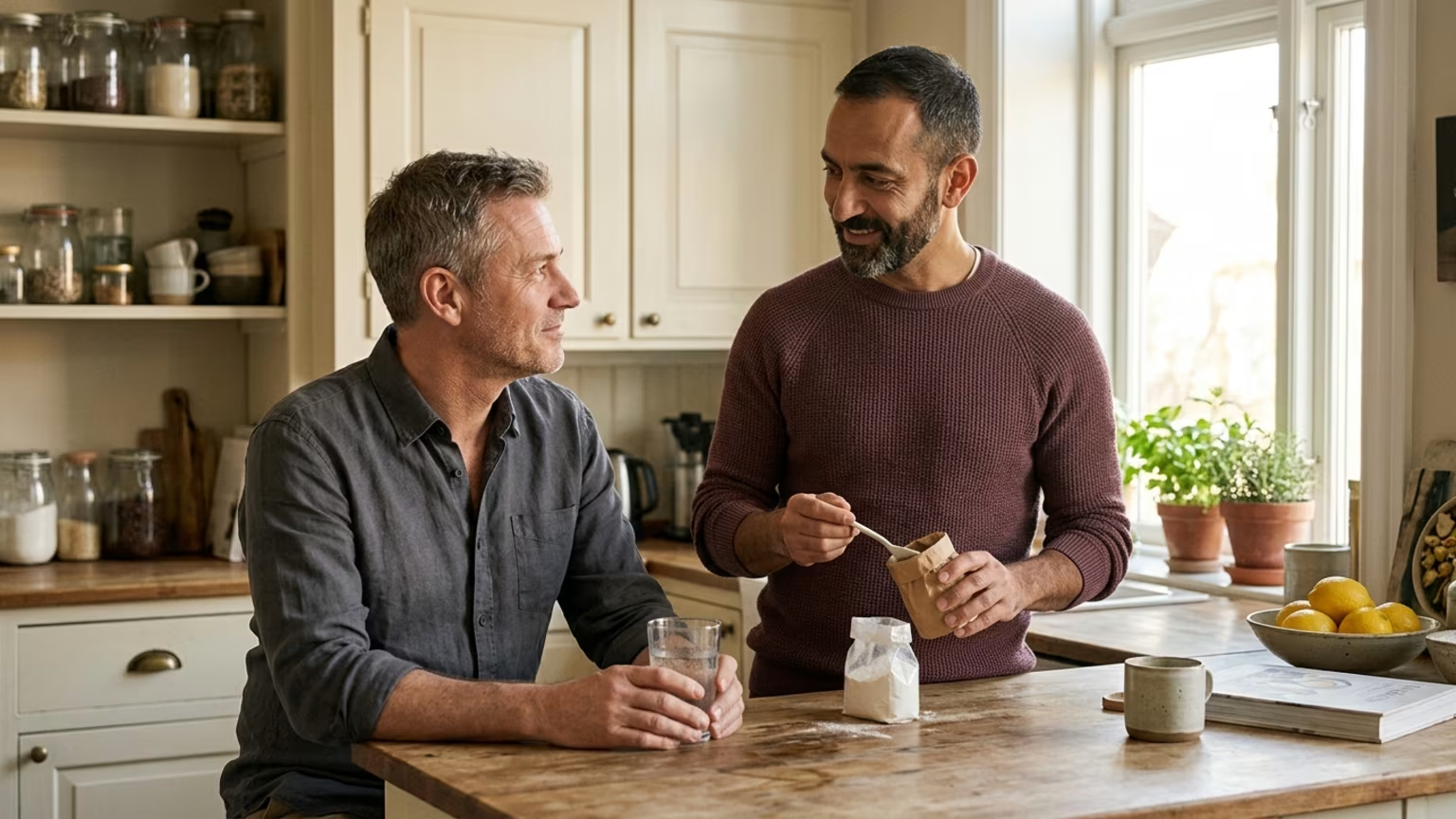
The study utilized a double-blind, counterbalanced design to assign the supplementation. Participants first chose whether they wanted to join an active exercise and diet arm or a non-exercise arm. Following this self-selection, researchers randomized the individuals to receive either the active supplement or a maltodextrin placebo. The supplementation protocol provided 10 grams of creatine monohydrate daily, divided into two distinct 5-gram doses.
The published findings revealed multiple significant changes in physical capability and body composition:
Traditional fitness culture frequently isolates creatine as a specialized product for athletes and young men seeking massive bulk. Old locker room advice insists that the compound only produces physical changes if you participate in grueling daily weightlifting sessions. The Texas A&M research directly challenges this restrictive perspective on physical capability. According to researcher Giuliet Kibler, the study identified an increase in lean tissue mass "without additional lifestyle or exercise changes."
The idea of gaining baseline strength without forced exercise runs counter to aggressive gym mentalities. Many modern workout programs demand absolute perfection from older men, claiming that all physical progress stops if training days are missed. This new data highlights a biological support system that functions independent of a perfect gym schedule. Study co-author Richard Kreider noted that creatine alone produced "some cognitive benefits" and increased muscular endurance compared to participants receiving no training.
Youth-focused gay media frequently frames normal physical aging as an unavoidable decline that demands extreme countermeasures. This cultural pressure forces many older men into a restrictive choice, pushing them to either adopt punishing workout routines or abandon physical training completely. The Texas A&M study offers a welcome alternative to this rigid mindset. By demonstrating that baseline physiological support exists through nutrition alone, the data provides a more sustainable model for physical longevity.
The broader scientific consensus remains cautious about treating any supplement as a universal solution. A separate 2026 meta-analysis of 11 randomized controlled trials provided essential context for older populations. This extensive review found a modest strength benefit when individuals combined creatine with resistance training. The review also reported that pooled effects on muscle mass and physical function were not statistically significant, concluding that the certainty of evidence for those outcomes was low or very low.
This measured reality encourages a more sophisticated approach to biological support. Rather than acting as a magical powder that replaces human effort, the compound functions as a targeted tool. The evidence base does not justify extrapolating these specific findings directly to frail, sarcopenic, or functionally limited older adults. The meta-analysis identified these vulnerable populations as needing much larger and better-reported trials before broad recommendations apply.
For mature gay men working to optimize their physical vitality, this data offers practical utility during complex lifestyle transitions. Midlife weight loss often forces men to navigate the frustrating biological reality of losing muscle alongside body fat. The Texas A&M trial proves highly relevant to this exact aesthetic challenge. When the supplement was paired with the active exercise and diet intervention, participants protected their lean tissue while driving a greater reduction in body-fat percentage.
This measurable body composition effect matters deeply for men focused on physical presentation and social confidence. Preserving underlying lean mass helps maintain posture, improves clothing fit, and supports a resilient physical presence. Readers focused on maintaining muscular strength and body composition can evaluate this approach as a potential strategy to defend their hard-earned physique when entering a caloric deficit. It offers a structured method to pursue aesthetic goals without sacrificing physical capability.
The non-exercise findings carry equal weight for professionals managing demanding schedules. Career obligations, travel, and minor physical setbacks frequently interrupt consistent gym routines. The finding that a 12-week supplementation habit supported strength and endurance without formal training provides a welcome biological buffer against rapid decline. It suggests that maintaining a clear nutritional baseline during stressful periods might help preserve your baseline physical capability until regular training resumes.
The improvements in leg-press strength and muscular endurance hold particular value for men navigating the natural physical shifts of their late forties and fifties. These clinical measurements translate directly into functional, daily physical capability. Improved muscular endurance supports sustained energy during social engagements, easier navigation of physical tasks, and a more resilient physical presence. Maintaining this underlying strength helps men project vitality and self-respect in their daily lives, independent of how often they visit a commercial gym.
The data serves a broad spectrum of mature gay men with varying lifestyle goals. For the dedicated lifter, the combination of creatine and a weight-loss diet clearly supports advanced body composition goals. For the man who simply wants to sleep better, move easily, and maintain his physical confidence, the non-exercise findings validate a lower-friction approach to daily health. This adaptability makes the compound a uniquely practical tool for adults who refuse to let aging dictate their social or physical limits.
It remains strictly necessary to separate documented clinical outcomes from generic anti-aging marketing claims. The study specifically measured physical metrics like leg-press strength, bench-press output, and DXA-scanned lean tissue. The authors explicitly stated that their findings related to cognition and blood markers were exploratory. Readers must not interpret this single trial as definitive medical proof of greater physical attractiveness, improved quality of life, or guaranteed dating confidence.
Furthermore, the reported 1.1 kilograms of new lean tissue requires careful, adult interpretation. Lean tissue measured by a DXA scan does not perfectly equal pure, contractile muscle fiber. It encompasses water weight and other non-fat biological components. The results confirm an increase in measured lean tissue, but they do not guarantee the instant creation of dense, solid muscle mass.
Dosage requirements and safety protocols also demand a highly personalized approach. The participants in this specific trial consumed 10 grams per day, carefully divided into two doses. This studied amount is double the commonly discussed 3-to-5-gram daily maintenance dose used in many gym circles. Readers should not assume that a lower standard dose will immediately replicate the exact physiological changes observed in this specific 12-week protocol.
Safety always dictates professional medical consultation before altering your daily nutritional intake. Men managing pre-existing kidney conditions, or those taking regular prescription medications, must speak with a qualified clinician before starting a new regimen. This precaution represents a mandatory standard for longevity and healthy aging protocols rather than a direct danger highlighted by the Texas A&M researchers.
Readers must also evaluate the inherent limitations and structural caveats of the study itself. The trial lasted only 12 weeks, meaning it cannot establish long-term physical effects or confirm if the lean tissue increase persists after supplementation stops. Exercise participation was entirely self-selected by the volunteers, which introduces lifestyle variables that a fully randomized control trial would typically eliminate. Finally, one study author disclosed professional ties to the manufacturer AlzChem, a detail that requires acknowledgment when discussing the final results.
Ultimately, a daily supplement cannot reproduce the comprehensive physiological benefits of consistent physical activity. The study itself does not support abandoning cardiovascular exercise, daily walking, or focused resistance training. A well-rounded approach to male vitality and long-term sexual wellbeing still requires restorative sleep, adequate protein intake, and a sustainable lifestyle strategy.
Mature men should view creatine not as a substitute for physical exertion, but as a biological support mechanism that helps protect lean tissue and baseline strength during midlife weight loss or inconsistent training phases.
Navigating confusion around male vitality, hormones and sexual wellbeing claims usually falls squarely on the individual man. When GayFitLab applies a rigorous editorial standard to these topics, you receive the objective clarity required to protect your physical confidence without chasing unproven medical hype. Explore Resources
Stay connected for research-led guidance on fitness, body composition, skin, grooming, vitality, sexual wellbeing, relationships and healthy aging. Clear ideas for gay men 35+ who want to look good, feel strong and age with confidence.




Build habits and systems that support clear thinking, steady energy and long term capacity throughout a demanding career.
explore the Blog