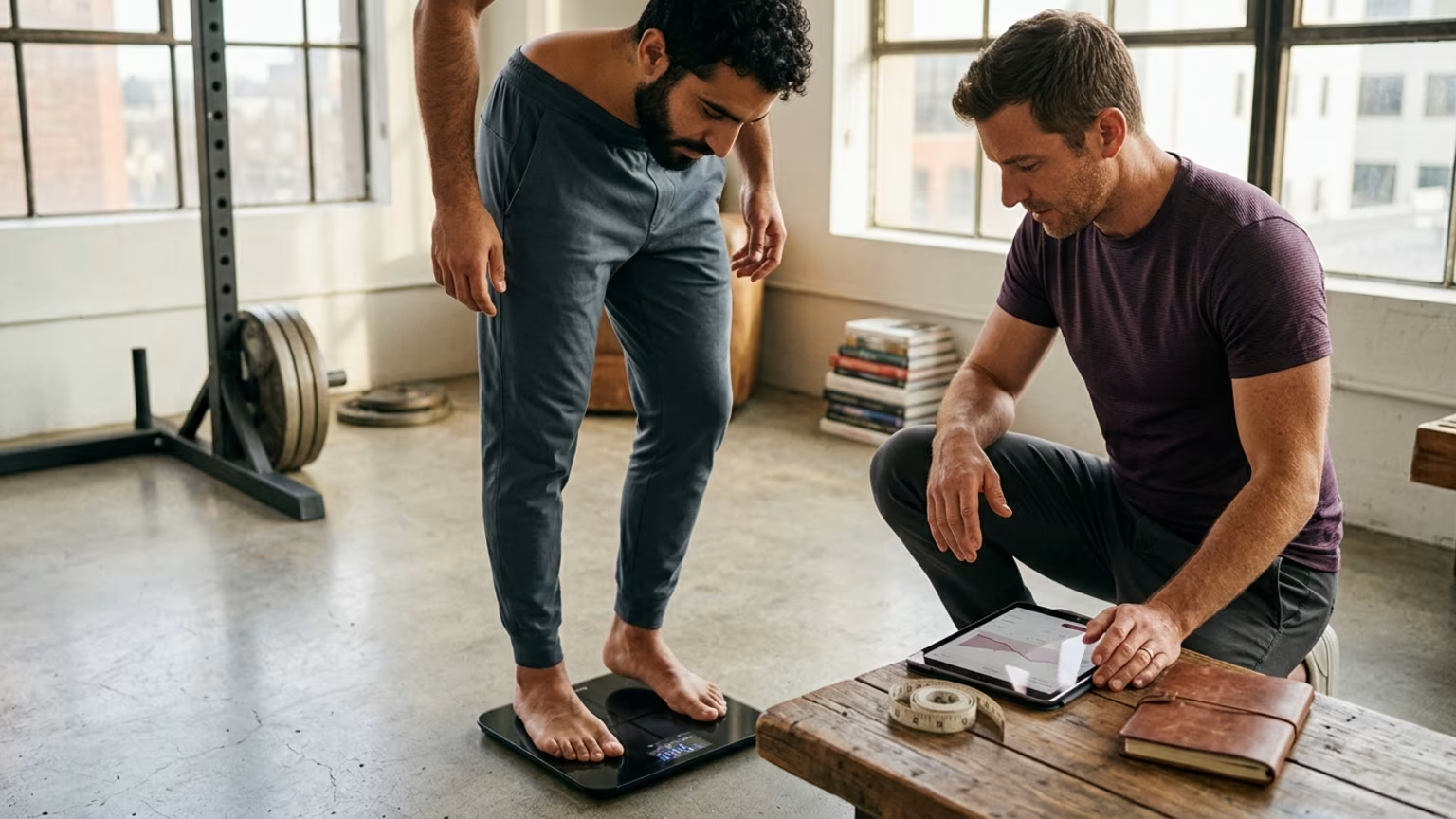

Learn how men over 35 can track fitness progress beyond scale weight. This guide breaks down waist measurements, strength markers and body composition trends.





Monitoring waist circumference offers specific information about abdominal fat that body mass index simply cannot capture. A standard calculation only measures total mass relative to height, treating dense muscle and fat tissue exactly the same. Men carrying excess weight around their midsection face distinct physiological pressures that require careful attention. Scale weight fluctuates heavily with water retention, daily digestive contents and recent carbohydrate intake. A simple tape measure bypasses these temporary variables, offering a direct metric for central fat distribution over time.
Proper measurement technique prevents misleading readings that might derail a well-planned fitness program. For consistency, measure midway between the bottom of the ribs and the top of the hips. You must breathe out naturally, relax your abdominal muscles completely and hold the tape snugly against the skin. Compressing the tissue will distort the result, creating a false sense of progress that masks real physiological data.
Consumer smart scales use bioelectrical impedance to estimate body composition indirectly, sending a small electrical current through the body. These readings react aggressively to daily hydration levels, individual body build and the specific prediction equation programmed into the device. You should never treat a home scale percentage as a flawless laboratory measurement or a medical diagnosis. The numbers provide a personal trend line, showing general directionality rather than an absolute scientific truth about your body.
Research clarifies the true capabilities of these consumer devices when tested against clinical standard equipment. A comparison of 15 bioelectrical-impedance devices with a four-compartment reference model investigated this exact issue in adult populations. The study reportedly found repeat-measurement precision errors between 0.0% and 0.49% for the tested machines. The devices proved highly consistent when users stepped on them repeatedly, offering stable daily numbers for home tracking.
Consistency does not automatically guarantee exact accuracy against sophisticated laboratory standards. The same device comparison study revealed device-specific errors ranging from 3.5 percentage points below to 11.7 percentage points above the reference value. A scale might consistently tell a man he holds a specific body fat percentage every morning. That highly repeatable reading could still be substantially incorrect compared to his true physiological state, proving why trends matter more than single data points.
Scale weight can stall completely while a man actively improves his physical capability and athletic performance. Dedicated resistance training builds dense muscle tissue, altering the body heavily without necessarily dropping total body mass. Measuring functional strength offers a direct window into this positive adaptation, validating the hard work done in the gym. Documenting the weight lifted and total repetitions completed keeps men focused on actual performance metrics.
Clinical evidence supports tracking performance outcomes for older men seeking to maintain their vitality. A 2026 meta-analysis of 11 randomized controlled trials examined these exact physical outcomes in adults aged 60 and older. The comprehensive review found that combining creatine with resistance training produced a small improvement in overall physical strength. This specific benefit was measured directly against resistance training alone, showing an effect size of 0.31 for the supplemented group.
The confidence interval for this measured strength improvement spanned 0.18 to 0.45, confirming a reliable effect. The same rigorous review did not find statistically significant pooled improvements in total muscle mass. The certainty for those specific outcomes was officially rated low or very low by the researchers. This data proves that functional strength gains do not automatically equal immediate visible muscle growth, making performance tracking a distinct and necessary habit.
Men often ignore their own lived experience when chasing numerical fitness targets and strict body composition goals. Better daytime energy, easier joint movement and faster physical recovery matter immensely for a sustainable, healthy aging process. These specific lifestyle factors directly influence social confidence and sustained relationship quality for men over 35. A truly vital life requires looking past the bathroom scale to properly evaluate total daily physical function. Tracking these personal markers builds a healthier psychological relationship with long-term physical maintenance.
Clothing fit answers practical questions about body composition without requiring specialized medical equipment or expensive home devices. A tailored jacket or a pair of fitted trousers will quickly reveal subtle changes in chest, waist and shoulder dimensions. Brands and garment cuts vary wildly across the fashion industry, making size tags highly unreliable for precise tracking. You must use the exact same item of clothing periodically to measure reliable physical changes without distortion. This method effectively translates abstract fitness numbers into real physical changes that matter in daily life.
Standardized photos document visual shifts over longer timeframes, providing a realistic record of aesthetic progress. Daily visual comparisons often breed deep frustration because room lighting, camera angles and temporary fluid retention constantly distort the image. Take progress photos with identical lighting, identical camera positioning and consistent posture to eliminate unnecessary visual noise. Reviewing these controlled images at wider intervals provides a clear, objective record of aesthetic progression over several months. This systematic approach separates genuine physical adaptation from simple day-to-day fluctuations.
Waist measurements serve as established screening benchmarks rather than universal personal targets for physical perfection. Elevated abdominal fat correlates with higher mortality risk in older adults, acting independently of total body mass. Medical professionals commonly use specific waist thresholds to evaluate cardiovascular risk during routine health screenings. Crossing a clinical measurement threshold signals a clear need for lifestyle intervention rather than indicating absolute diagnostic disease.
Consumer body composition tools entirely lack this level of clinical standardization and diagnostic reliability. A hospital validation summary reported median errors of approximately 2.2 to 4.4 kg for estimated fat mass. This notable error margin appeared precisely when consumer smart scales were directly compared with advanced DXA scanning technology. A secondary summary of this same body of evidence reported individual limits of agreement spanning roughly 15 to 20 body-fat-percentage points.
These broad error margins illustrate exactly why consumer devices cannot ever replace proper medical diagnostics. A daily reading from a smart scale provides useful context for monitoring long-term health trends at home. It should never override clinical tests, blood work or professional medical advice regarding your physical condition. Tracking metabolism and vitality markers demands a mature understanding of these inherent device limitations.
Impacting these specific physical measurements requires targeted training and intelligent nutritional support tailored for adult men. Regular resistance training serves as the primary intervention for changing male body composition and preserving functional independence. The 2026 meta-analysis demonstrates that adding creatine to this training provides measurable functional benefits for older populations. Men should track their gym performance using a small number of repeatable movements like squats, presses or loaded carries.
Accurate data tracking requires strict control of your measurement environment to eliminate conflicting daily variables. You must use the same consumer scale under similar hydration conditions to spot genuine body composition trends. Taking scale readings at the exact same time of day minimizes fluid-related fluctuations and digestive noise. Avoid comparing your smart scale percentage directly with a clinical scan or a totally different consumer brand.
Measuring your midsection demands the exact same rigor so the collected data remains truly actionable. Select a specific physical landmark, exhale naturally and record the number without pulling the measuring tape tightly. Recording inconsistent measurements will create a chaotic dataset that inevitably sabotages your nutritional and training plans. A stable measurement protocol allows men to adjust their strength regimens based on highly reliable physical feedback.
Sometimes consumer tools fail to provide the necessary clarity for making serious, long-term health decisions. A smart scale might show alarming body fat numbers that trigger unnecessary stress or alter healthy eating behaviors. A trained clinician can help you decide whether a validated medical assessment is appropriate for your specific situation. Relying on professional medical guidance protects your comprehensive healthy aging strategy from wildly inaccurate consumer technology.
Tracking these specific physical metrics collectively determines overall healthspan by building a complete profile of biological resilience. Scale weight alone drastically fails to capture the vital differences between muscle retention, normal fluid shifts and dangerous abdominal fat. Combining functional strength records, consistent waist measurements and standardized qualitative signals allows for precise, stress-free lifestyle adjustments. Men who manage this integrated data dashboard can confidently improve their physical capability, aesthetic goals and daily energy without surrendering to endless self-surveillance.
Addressing slower recovery, changes in energy, sleep or physical capability typically rests on the individual man alone, a daily challenge that shifts completely once GayFitLab analyzes the physiological data. We counter the generic men's health content that ignores relevant gay social and sexual-health context, translating credible evidence into clear, stylish and practical guidance for lasting vitality. Explore Resources
Stay connected for research-led guidance on fitness, body composition, skin, grooming, vitality, sexual wellbeing, relationships and healthy aging. Clear ideas for gay men 35+ who want to look good, feel strong and age with confidence.





Build habits and systems that support clear thinking, steady energy and long term capacity throughout a demanding career.
explore the Blog